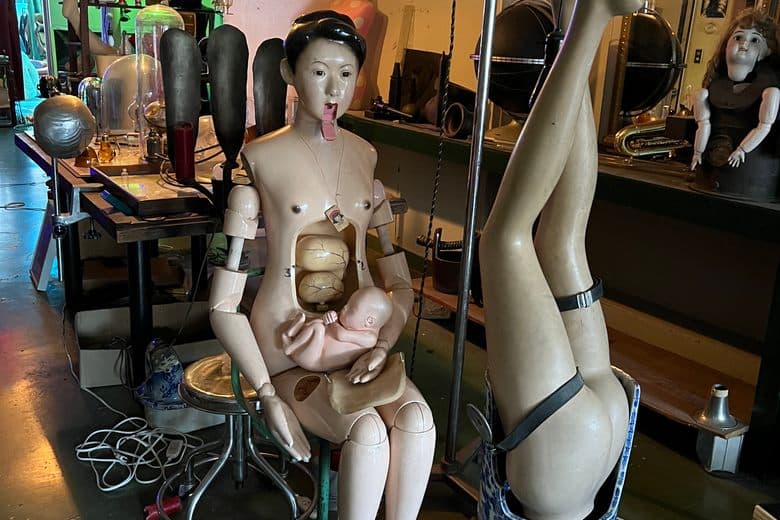
The Kyoto Museum of Crafts and Design, located in the basement of Miyako Messe, is a dedicated space showcasing the rich heritage of traditional Japanese crafts. While often overshadowed by larger institutions, it provides an intimate and educational experience, highlighting the intricate techniques and artistry behind various crafts from Kyoto and beyond.
Visitors consistently praise the museum for its interactive elements and live demonstrations by artisans, which bring the crafts to life. Many reviewers highlight the opportunity to watch craftspeople at work, such as silk painting for kimonos or inlay techniques, as a particularly memorable aspect. The museum's collection, though not vast, is well-curated with clear explanations in English, making it accessible and informative. The gift shop is also frequently mentioned as an excellent place to find high-quality, authentic Japanese souvenirs, often at reasonable prices.
To make the most of your visit, plan to spend about 1.5 to 2 hours. The museum is particularly recommended for a rainy day activity or as a complement to a visit to nearby attractions like Heian Shrine or Nanzenji Temple. While some reviewers mention free entry on certain days, it's advisable to check the current admission policy. The museum is generally not crowded, even on weekends, allowing for a relaxed exploration. Consider participating in one of the hands-on activities or workshops, which reviewers found engaging for both children and adults, though some instructions might be in Japanese.
The museum is conveniently located in the Northern Higashiyama area. It's within walking distance of Heian Shrine and Nanzenji Temple, making it easy to combine with other sightseeing. It's situated in the basement of Miyako Messe, which some visitors found a bit challenging to locate initially, so look for the building itself. Public transport options to the area are plentiful, with bus stops and subway stations nearby. For example, it's a short walk from the Higashiyama Station on the Tozai Subway Line.
A common complaint is the initial difficulty in finding the museum, as it's in the basement of a larger building. To mitigate this, look for the Miyako Messe building and then follow signs for the museum within. Some visitors also expected a larger collection, but the focus here is on quality and detailed explanation rather than sheer volume. One reviewer mentioned an issue with free entry for traditional clothing, suggesting it's best to clarify any special offers beforehand to avoid disappointment.