Tōfuku-ji Temple is one of Kyoto's most significant Zen Buddhist temples, serving as the head temple of the Rinzai sect's Tōfuku-ji school. Founded in 1236, its expansive grounds and historic structures, including the oldest Zen main gate in Japan, offer a profound glimpse into Japanese religious and architectural heritage. While many of its original buildings were lost to fires and wars, subsequent reconstructions have maintained its grandeur, making it a vital cultural landmark.
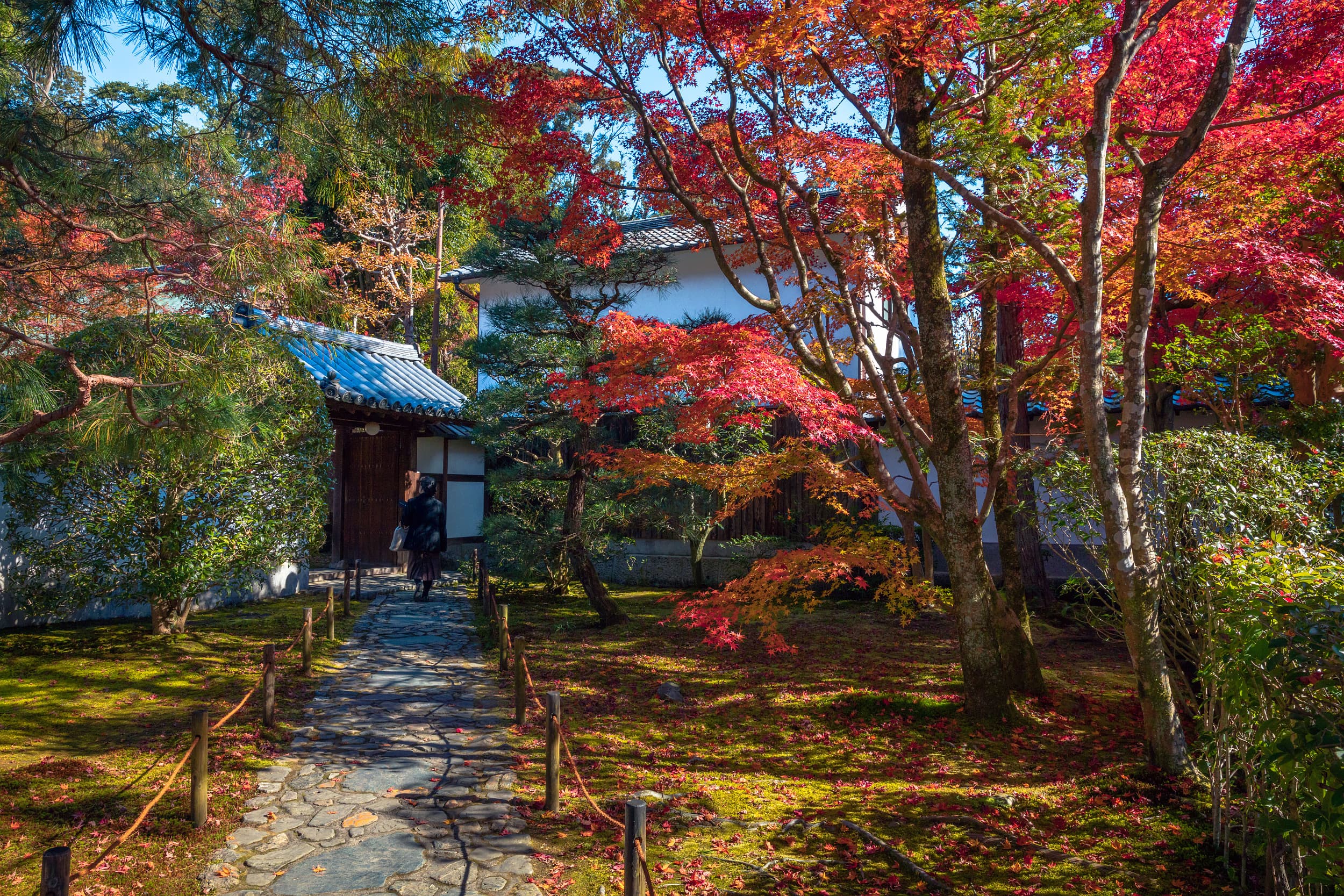
Visitors consistently highlight the temple's exceptional beauty, particularly during the autumn foliage season. The Tsutenkyo Bridge is frequently mentioned as a prime spot for panoramic views of the vibrant maple trees, with many describing the experience as stepping into an "autumn wonderland." The temple's various gardens, including the dry landscape gardens designed by Mirei Shigemori and the moss chessboard garden, also receive high praise for their tranquility and artistic design. Many reviewers appreciate the peaceful ambiance, especially when visiting outside of peak hours or seasons, contrasting it with more crowded Kyoto attractions.
To make the most of your visit, aim for early mornings, especially during autumn, to avoid the massive crowds that gather. Several reviewers recommend arriving right at opening time (or even before) to experience the temple's serenity and capture photos without throngs of people. While the main temple grounds are free to enter, access to the Tsutenkyo Bridge and the Hojo (Abbot's) Garden requires separate admission fees. Many visitors find these fees worthwhile for the unique views and garden experiences. Consider allocating 1.5 to 2 hours to explore the main areas, including the paid sections, allowing time for leisurely strolls and quiet contemplation.
Tōfuku-ji Temple is conveniently accessible by public transport. It's about a 10-15 minute walk from JR Tofukuji Station on the JR Nara Line, or from Tobakaido Station on the Keihan Main Line. Many visitors combine a trip to Tōfuku-ji with a visit to Fushimi Inari Taisha, as it's only one stop away on the JR Nara Line or a pleasant 15-25 minute walk. This proximity allows for an efficient itinerary, moving from the bustling Fushimi Inari to the more serene Tōfuku-ji. Driving is generally not recommended due to limited parking and the efficiency of public transport.
A common complaint, particularly during the peak autumn season, is the overwhelming crowd density, which can detract from the peaceful experience. Reviewers describe it as "almost shoulder rubbing" and note that supervisors urge people not to linger too long at popular photo spots. To mitigate this, visiting early in the morning or late in the afternoon is crucial. Some visitors also express frustration over the multiple separate entry fees for different sections, which can add up. Be prepared for these additional costs if you wish to explore beyond the free areas.