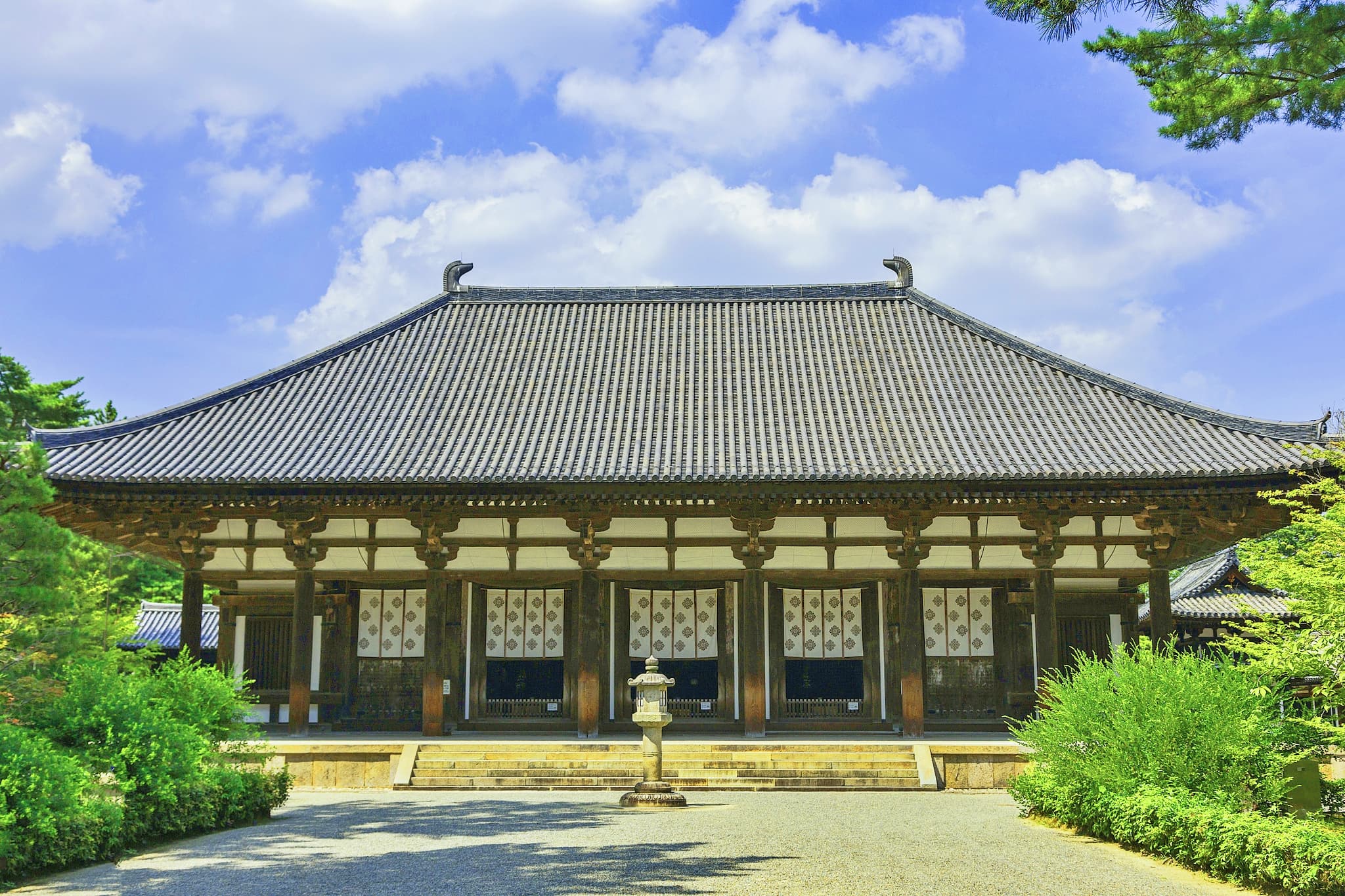
Toshodaiji Temple is a UNESCO World Heritage site in Nara, renowned for its profound connection to the Tang Dynasty monk Jianzhen (Ganjin in Japanese). Founded in 759 AD, it served as a center for the Vinaya school of Buddhism and is celebrated for preserving exceptionally rare 8th-century wooden architecture, including its Golden Hall, which is considered the only existing orthodox Golden Hall from the Nara period.
Visitors frequently highlight the temple's serene and uncrowded atmosphere, a stark contrast to other popular Nara sites. Many appreciate the opportunity to experience a piece of ancient Chinese architectural style, noting the grandeur and stability of the buildings. Reviewers often mention the lush, quiet courtyards and the sense of history that permeates the site, with some describing it as 'shocking' in its preservation and scale. The connection to Jianzhen, a figure revered for his arduous journey to Japan to spread Buddhism, adds a significant layer of cultural and historical depth that resonates with many.
To make the most of your visit, allocate 1 to 2 hours to explore the grounds thoroughly. The temple is particularly peaceful in the early morning or late afternoon. While the main Golden Hall is impressive, don't miss the opportunity to explore the various sub-temples and the tranquil moss gardens. Several visitors recommend combining a visit to Toshodaiji with nearby Yakushiji Temple, as they are relatively close. Bring comfortable walking shoes, as you'll be exploring a large complex. It's advisable to carry some cash for the entry fee, although ticket sellers are often described as very polite.
Toshodaiji is located in the western suburbs of Nara City and is considered somewhat remote by visitors. While some reviewers mention taking a bus directly from Nara Station, others note that bus services can be infrequent (sometimes only once an hour). A common strategy is to combine it with a visit to Yakushiji Temple, which is within walking distance. Some local shop owners near Yakushiji Temple even provide hand-drawn maps to guide visitors between the two sites. For those driving, parking information is not prominently mentioned in reviews, suggesting public transport or taxis might be more convenient.
A minor complaint among some visitors is the relatively remote location, which can make access slightly less convenient compared to central Nara attractions. However, this remoteness is also what contributes to its peaceful ambiance. To mitigate this, plan your bus schedule in advance or consider a taxi if time is limited. While the main statue of Jianzhen is rarely displayed to the public (only on June 6th), the overall architectural beauty and historical narrative remain compelling.