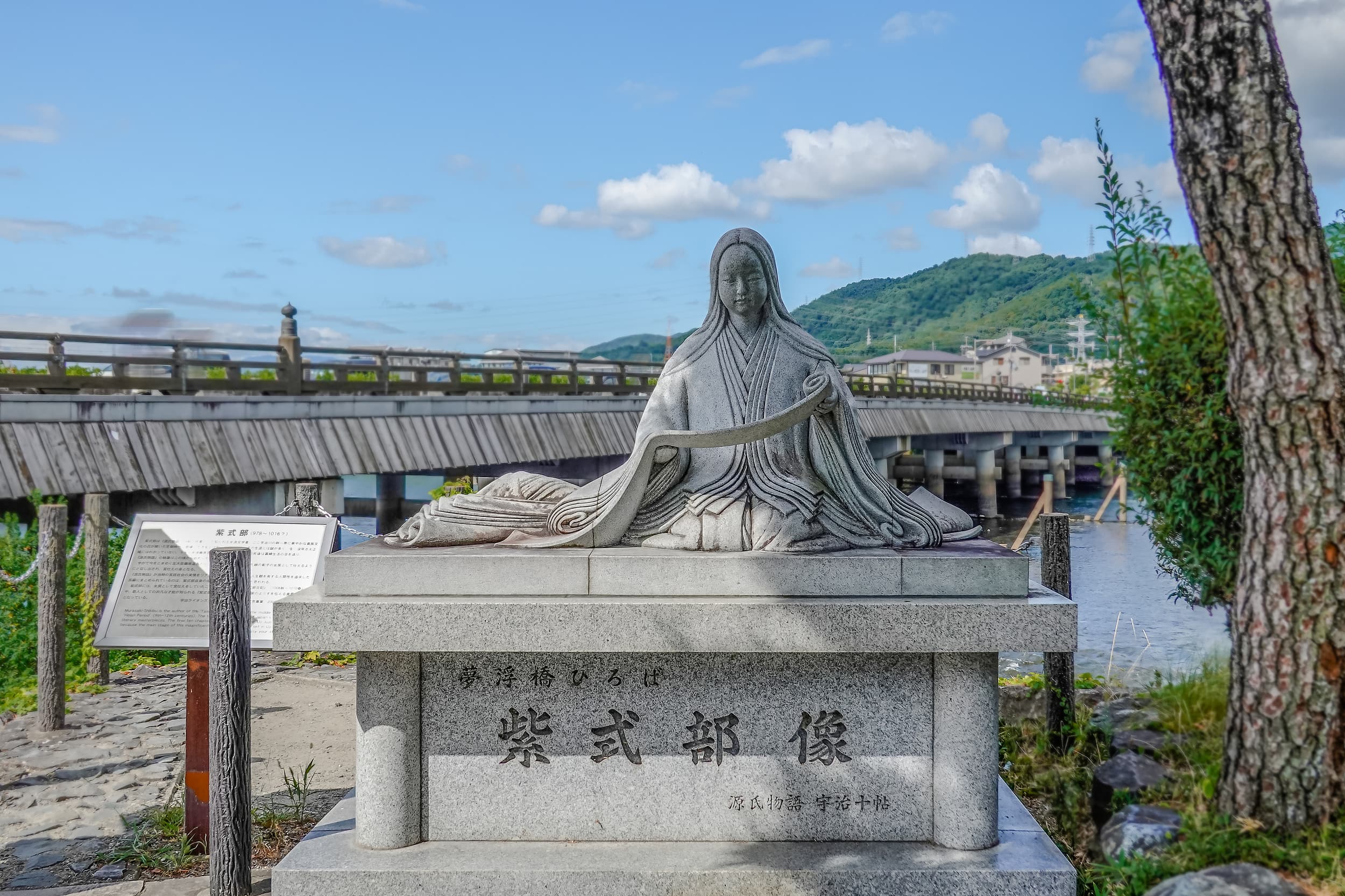
The Tale of Genji Museum is dedicated to Japan's celebrated literary classic, 'The Tale of Genji,' with a particular focus on the 'Uji Chapters' – the final ten chapters of the novel, which are set in this very city. It serves as an excellent primer for understanding the deep cultural and historical ties between Uji and this seminal work of Japanese literature, often referred to as the world's first novel. The museum helps visitors visualize the world of Prince Genji and the characters, providing context for the landscapes and themes explored in the book.
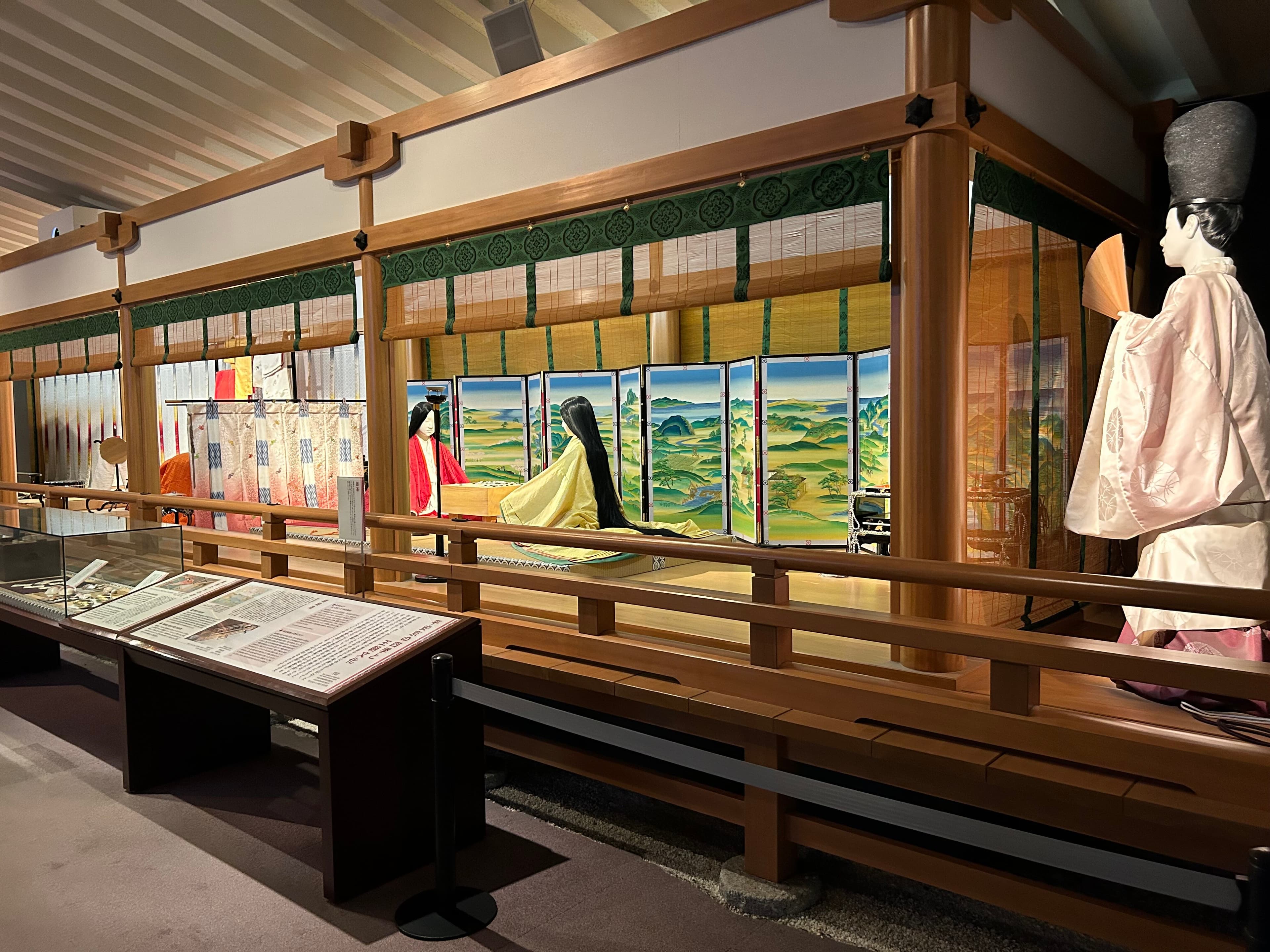
Visitors consistently praise the museum's ability to make a complex literary work accessible and engaging. Many reviewers highlight the effectiveness of the audio guides, which are available in multiple languages (including Chinese), and the short films that vividly depict key storylines like those of Ukifune and Hashihime. These elements are particularly appreciated by those who haven't read the original novel, as they provide a clear and immersive introduction. The museum's layout, with its three distinct halls featuring portraits, projections, and synchronized lighting, creates an atmospheric experience that brings the ancient tale to life. Several visitors note that even without prior knowledge, they gained a deeper appreciation for the story and Uji's role in it.
For the best experience, visitors recommend allocating 1.5 to 2 hours, though some suggest up to 3 hours if you wish to fully absorb all the exhibits and films. It's advisable to take the audio guide, even if initially declined, as many exhibits benefit from the detailed explanations. The museum is often described as small but thoughtfully curated, with a pleasant courtyard. Don't forget to get your booklet stamped at the Genji Incense station before leaving, as this is a popular souvenir activity. The museum is a good complement to a day spent exploring Uji's other attractions, such as the Byodo-in Temple or enjoying matcha.
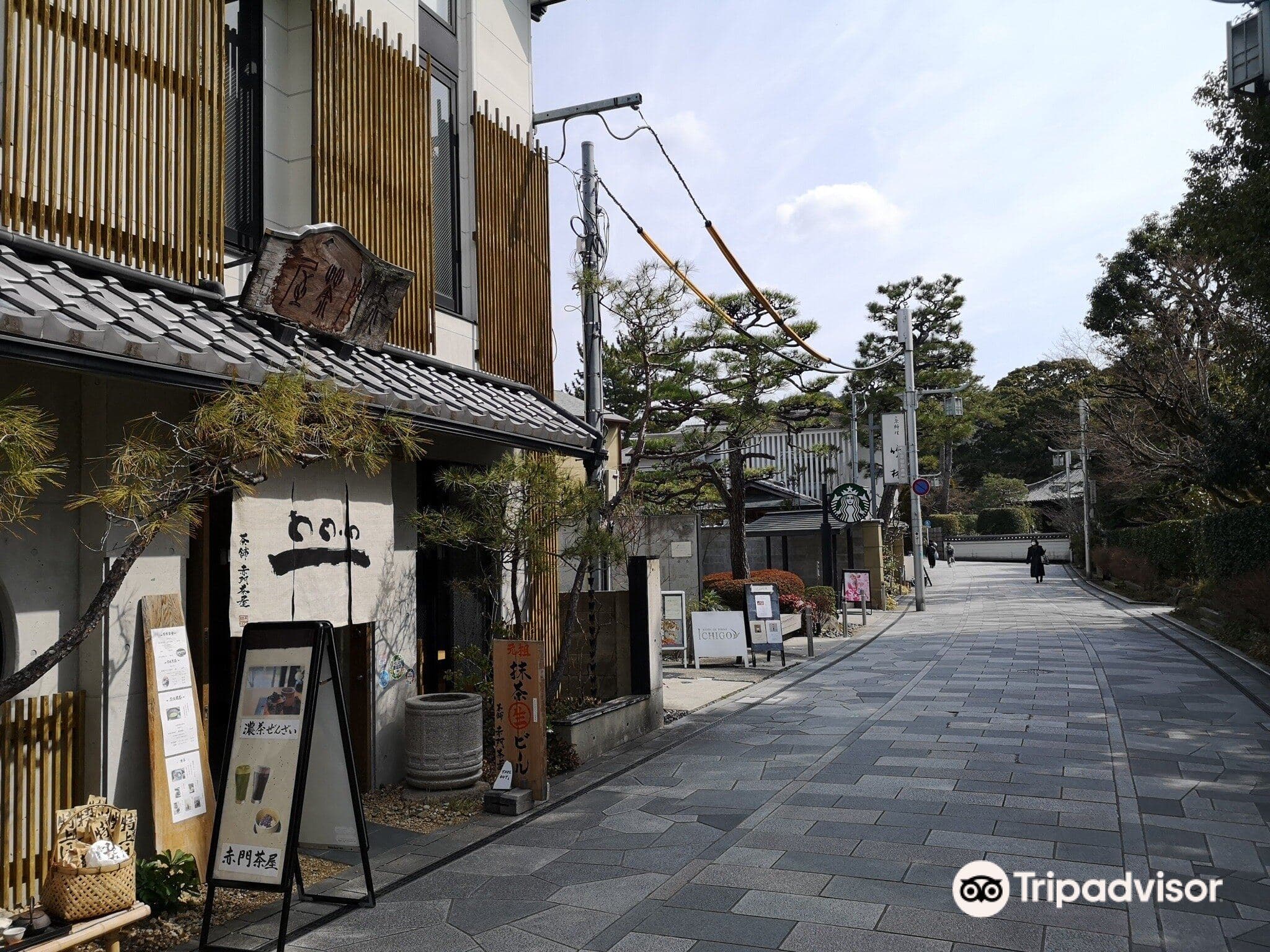
The museum is conveniently located in Uji, accessible after crossing the Uji Bridge and situated partway up the path towards Mount Daiji. While specific public transport lines aren't detailed in reviews, Uji itself is well-connected by train from Kyoto. Once in Uji, the museum is within walking distance of the main attractions. Visitors describe it as being on a path, suggesting it's easily reachable on foot from the city center.
A common observation is that the museum might be less impactful for those with no interest in literature or Japanese history, or for those expecting a large, sprawling museum experience. However, even those initially skeptical often find themselves pleasantly surprised by the engaging presentation. To mitigate any potential disappointment, approach the museum as a focused cultural experience rather than a general history museum. The admission fee, typically 500-600 yen, is considered reasonable for the value provided.