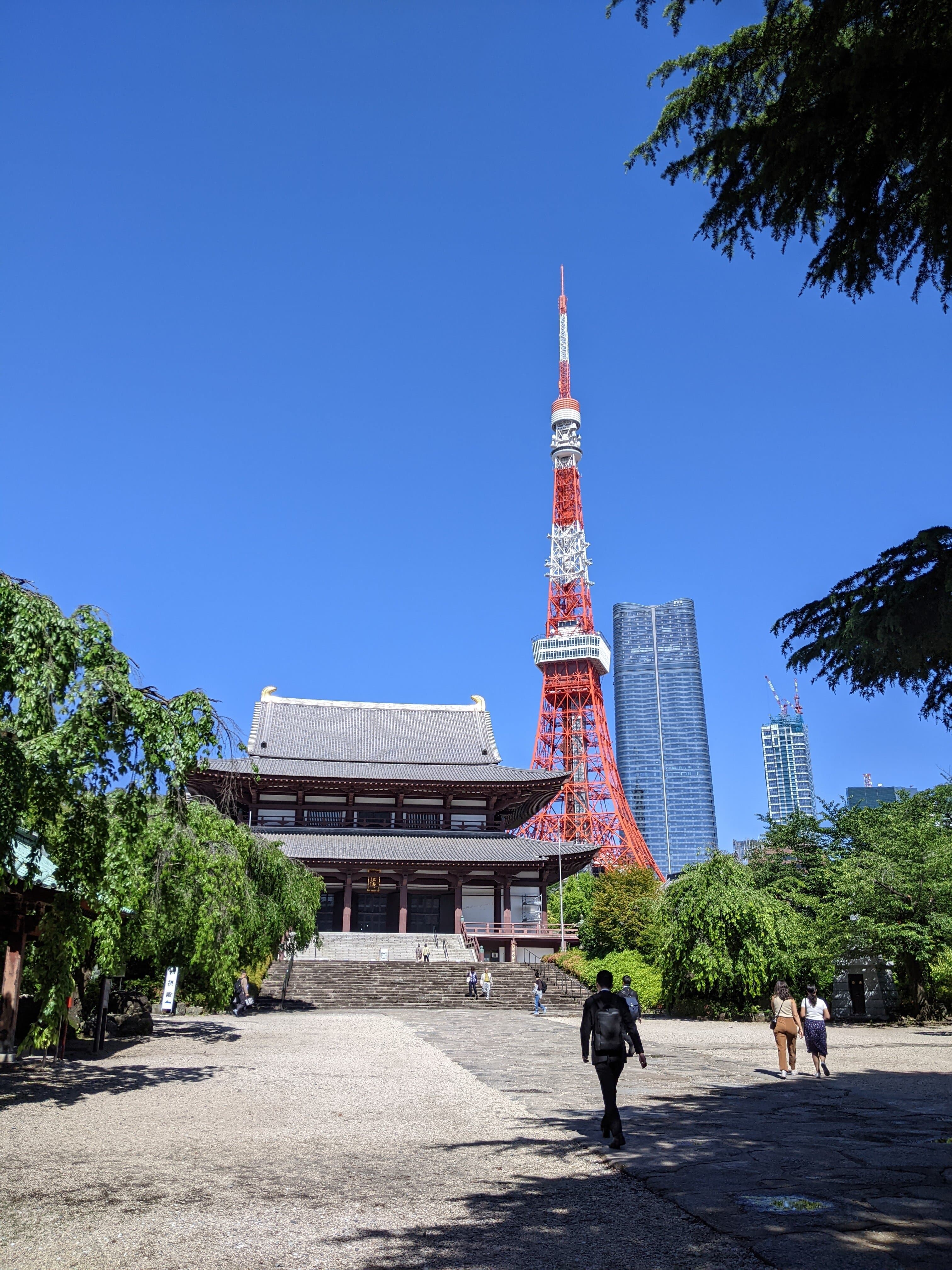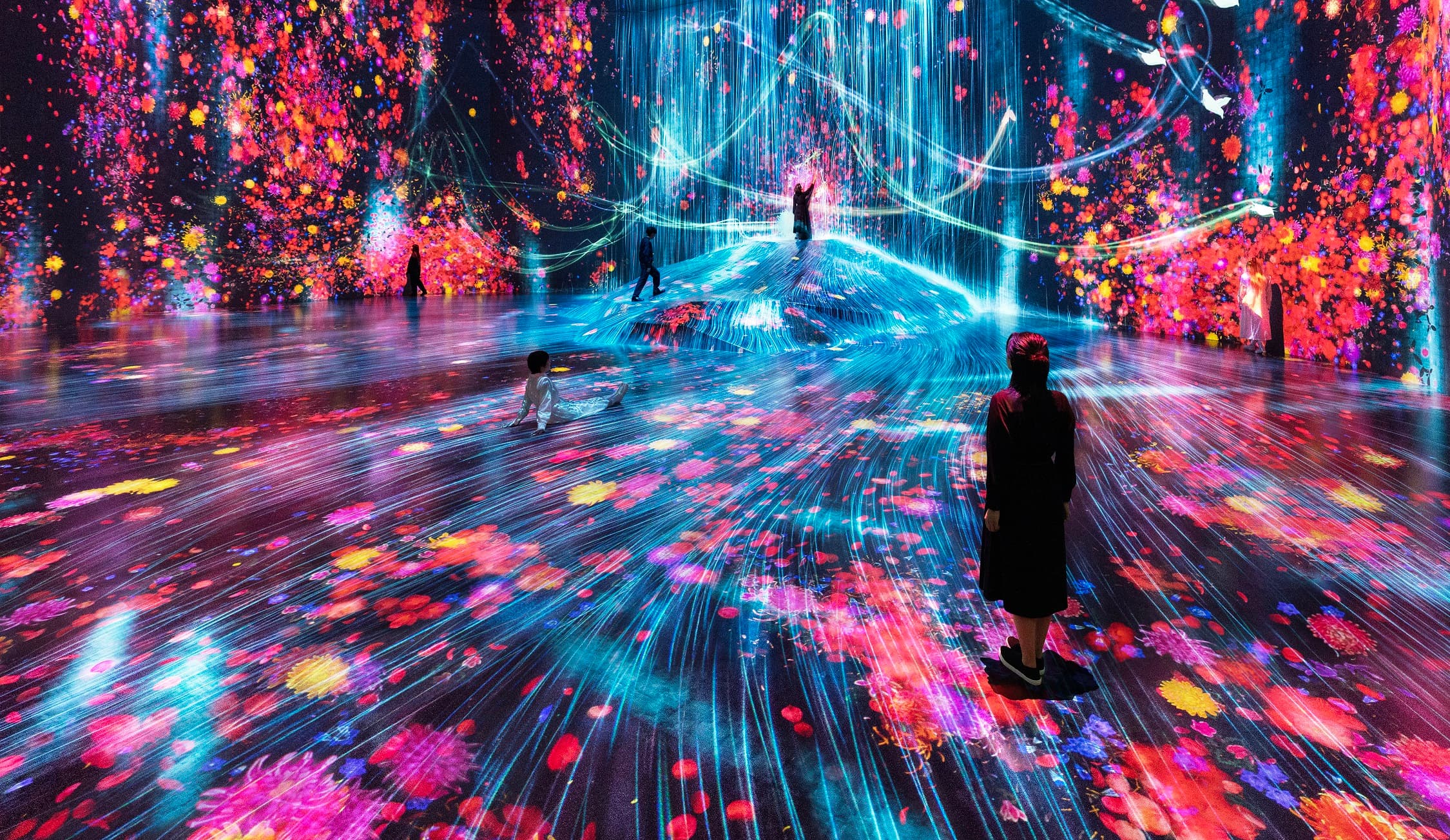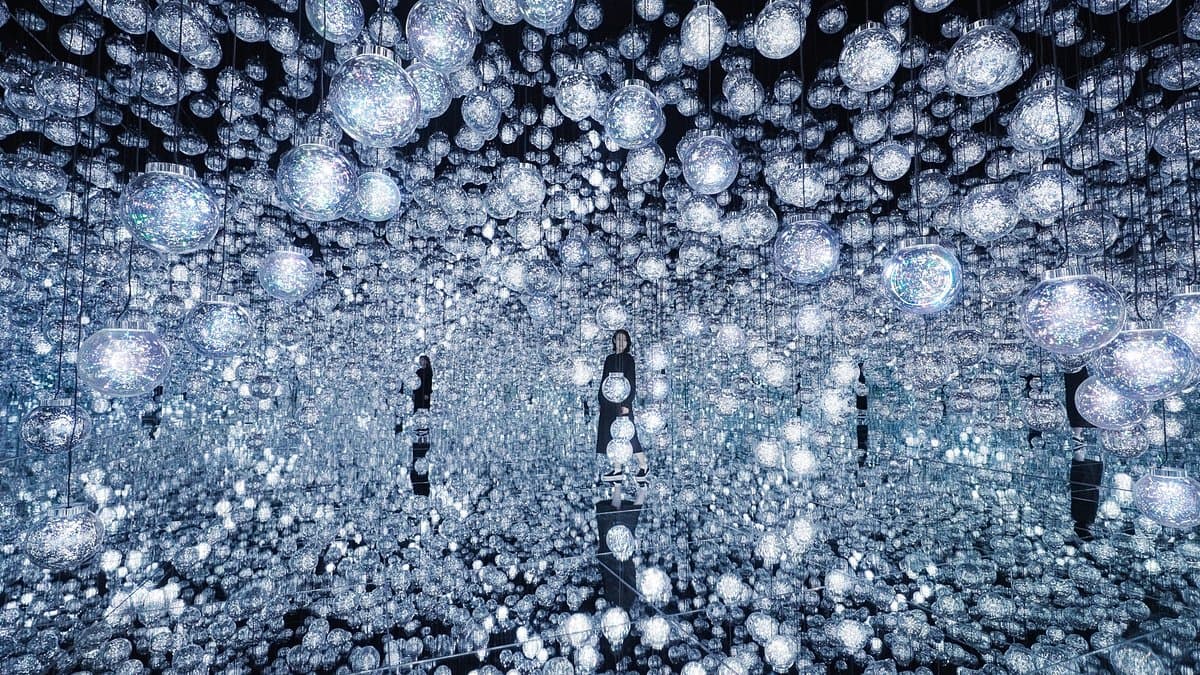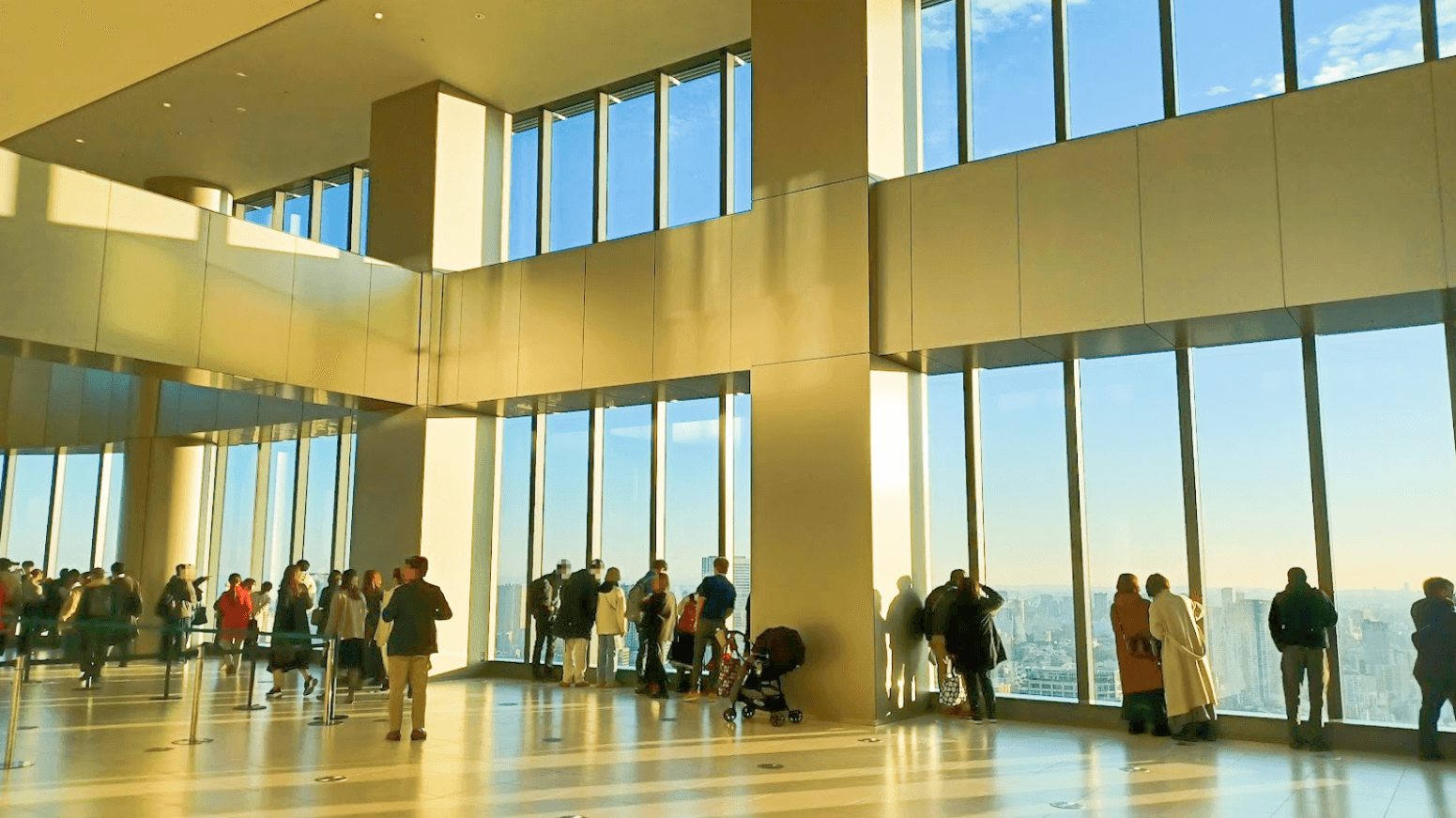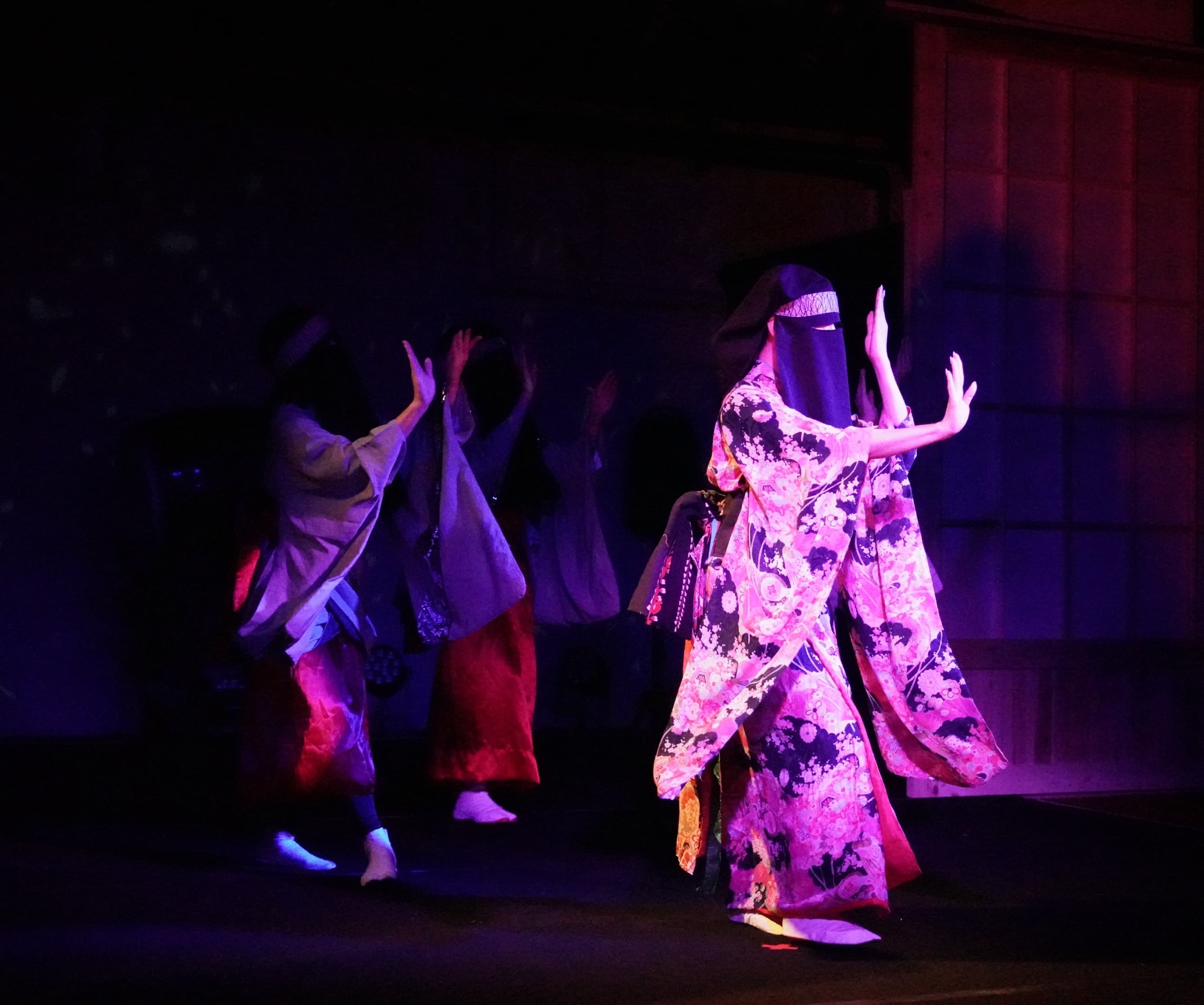
TOKYO TOWER Underground~Japan festival is an entertainment show designed to transform traditional Japanese arts into an engaging performance. Located within the iconic Tokyo Tower, it aims to provide overseas visitors with a condensed experience of a Japanese festival, featuring live acts such as dance, sword fighting, geisha performances, Bon Odori, and taiko drumming. The show emphasizes cultural exchange, offering insights into Japanese history and culture from the perspective of performers.
Visitors consistently praise the quality of the performances, noting the energetic and engaging nature of the show. One reviewer highlighted it as a "great performance" for those wanting to experience Japanese culture. The interactive elements, such as hands-on lessons explaining traditional Japanese weapons and etiquette, are also appreciated, adding an educational layer to the entertainment. However, one visitor mentioned that the seating arrangement could be challenging, requiring them to crane their neck to view the stage and sometimes missing content on the screen.
To make the most of your visit, consider arriving early to secure a good viewing spot, especially if seating is unassigned. The recommended duration is 2-3 hours, which includes the show and any interactive segments. It's advisable to check the schedule for specific performance times and admission cut-offs. The show aims to bridge historical periods from Heian to Edo, offering a broad cultural overview. While the show itself is the main draw, the surrounding Tokyo Tower complex also offers various shops and food options.
The Tokyo Tower is easily accessible via public transport. It's a short walk from several subway stations: Akabanebashi Station (Toei Oedo Line, Akabanebashi Exit), Onarimon Station (Toei Mita Line, A1 Exit), and Kamiyacho Station (Tokyo Metro Hibiya Line, No. 1 Exit). For those coming from JR lines, Hamamatsucho Station (JR Yamanote Line) is about a 15-minute walk away. Driving is generally not recommended due to limited parking and heavy traffic in central Tokyo.
The primary complaint noted by a visitor was the seating, which could obstruct views. To mitigate this, try to arrive early and choose a seat with an unobstructed line of sight to the stage. If screens are used, ensure you have a clear view of them as well. While the show aims for broad appeal, those seeking a deeply authentic or traditional experience might find the 'entertainment' aspect more prominent than a purely historical one.