 Tabelog rating
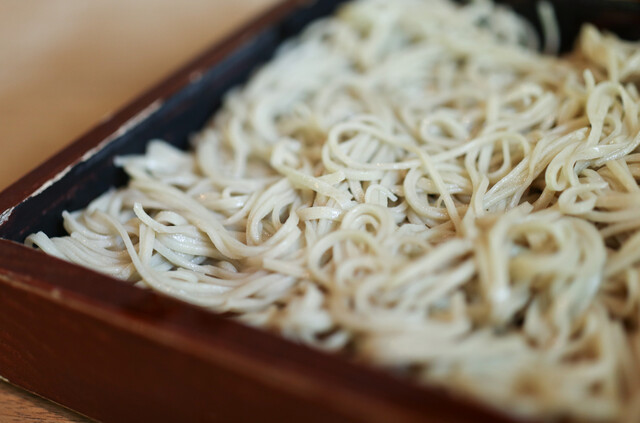
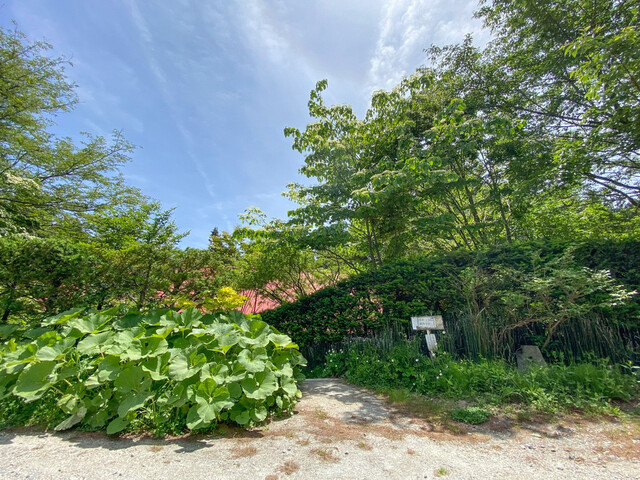
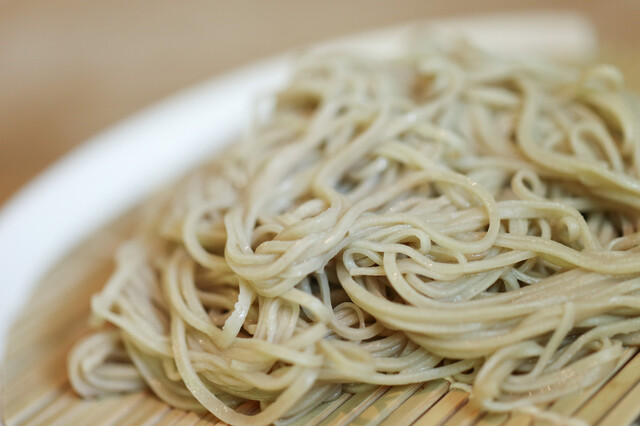
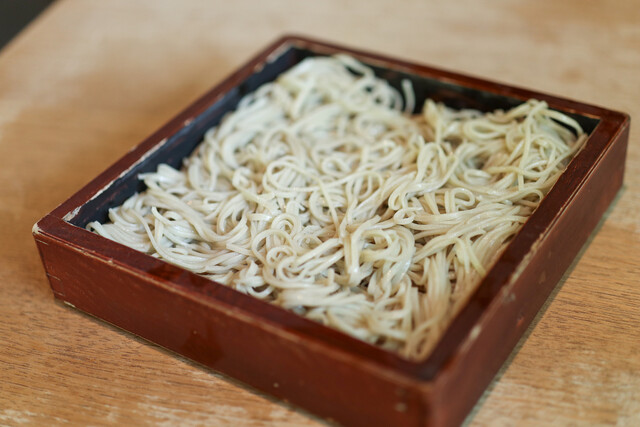
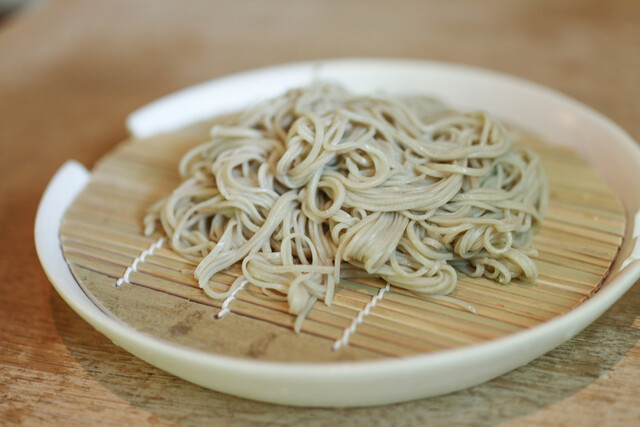
Yamasato no Soba Marutomi (山里乃蕎麦 丸富) is built around juwari soba. That means 100% buckwheat with no wheat binder, cut unusually thin and long without breaking, which is hard to do with such a fragile dough. Reviewers repeatedly describe it as smooth rather than crumbly, with a pronounced buckwheat aroma. Rare heirloom flours rotate in, among them weekend-only shirabiso soba from terraced fields in a remote hamlet and Iriya native buckwheat. The setting is part of the appeal: a red-roofed wooden house set below a gravel car park in the forest near Kōzen-ji, with a wood stove, green views and no background music. It was selected for Tabelog's soba "Tabelog 100" in 2022, 2024 and 2025.
Most reviews praise the juwari's fragrance and texture, and several call it the best soba they have eaten. Many order it alongside the coarse-ground nihachi (80/20 soba), which comes with an unusual mackerel-dashi dipping sauce. Other recurring favourites:
- Jidori tsuke soba: thick noodles dipped in a hot broth of local Shinshu gold shamo chicken and wild vegetables.
- The chicken tōbanyaki, served on a sizzling ceramic plate.
- Creamy tofu with umeboshi.
- Sobagaki.
- The seasonal vegetable platter.
A minority found the soba ordinary or short on aroma given its reputation. Others mention small portions, very little dipping sauce, thin sobayu and fiery grated radish. Window seats attract insects in autumn, and there is no air conditioning in summer.
Reviewers in 2024–2026 paid around:
- ¥1,200 for juwari soba
- ¥1,100 for nihachi
- ¥1,300 for shirabiso
- ¥2,200 for jidori tsuke soba
- ¥450 for tofu or yaki miso
- ¥1,800 for hand-ground sobagaki
- ¥2,700 for the chicken tōbanyaki
Typical lunch spend is ¥1,000–2,000. There is no dinner service. At ¥1,100–1,300, the noodles are fair value for this level of craft. Larger appetites usually need a second portion or a side, which brings a satisfying meal to roughly ¥2,500–3,500.
- Hours: lunch only. Soba often sells out by 12:00–13:30, and juwari goes first. Reviewers advise arriving by 11:00.
- Booking: reservations are not accepted, so just turn up. Park, write your name on the list inside and stay nearby, because absent names are skipped. Waits of 40–90 minutes are common.
- By car: about 10 minutes from JR Komagane Station and 3 minutes from Komagane IC. The entrance is easy to miss, so approach from the road on the west side. Parking available.
- By bus: take the Ina Bus Komagatake Ropeway Line from Komagane Station towards Shirabi-dake (Komagatake Ropeway Station). Get off at Kiriishi Park, then walk 15 minutes (1.1 km). There are roughly two departures per hour.
- Payment: cash only. Credit cards, electronic money and QR payments are not accepted.
- Seats: about 22, and tables may be shared. No private rooms or private hire.
- Smoking: non-smoking throughout.
- Mobile signal: there is almost none, so download maps beforehand.