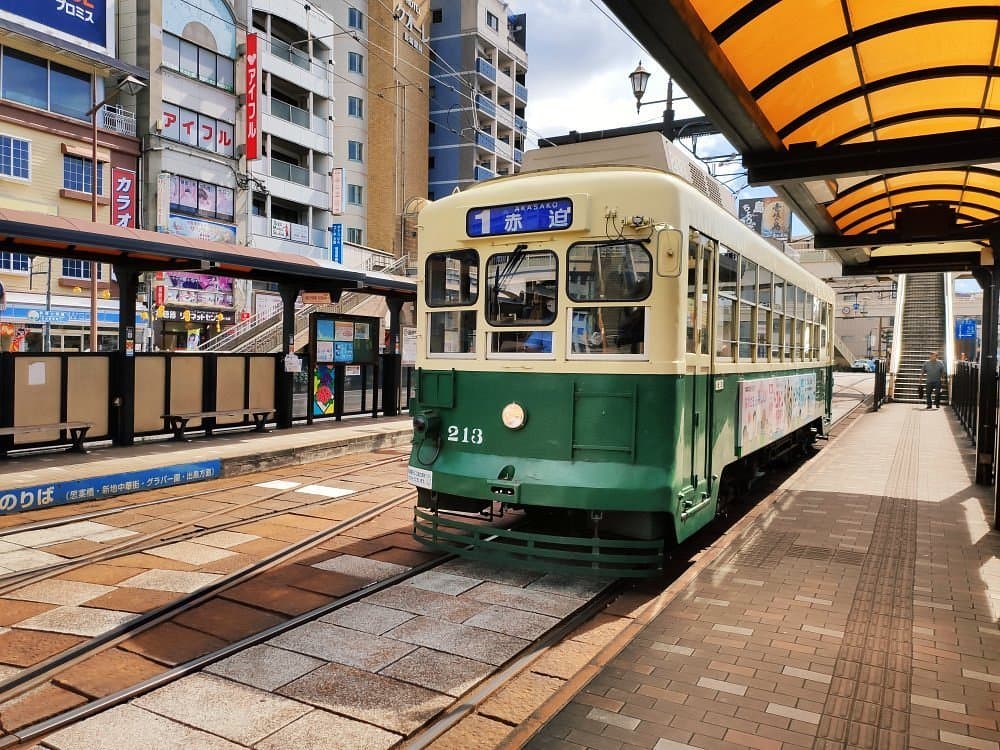
The Nagasaki Electric Tramway is more than just a public transport system; it's a historic and beloved icon of Nagasaki, often referred to as the 'Chinchin Tramway.' Established in 1914, it's notable for being the only tram company in Japan that has never lost any of its tracks. This network of streetcars provides an incredibly convenient and atmospheric way to navigate the city, connecting visitors to virtually all major attractions from the Peace Park to Glover Garden.
Visitors consistently praise the tramway for its exceptional value and simplicity. Many highlight the one-day pass (typically 600 yen, though some older reviews mention 500 yen) as an absolute must-buy, especially if planning more than four rides. This pass allows unlimited travel and can be purchased at tourist information centers, major hotels, and sometimes even on the tram itself or at JR stations like Urakami. Reviewers frequently note the trams are clean, reliable, and run frequently, with minimal waiting times. The system's ease of use is further enhanced by clear maps available in multiple languages and announcements in English, making navigation straightforward even for first-time visitors.
For practical advice, always consider purchasing the one-day pass if you intend to visit multiple sites. Single rides cost 140 yen (some older reviews mention 130 yen), so the pass quickly pays for itself. When boarding, enter from the middle or back doors and exit from the front, paying the fare or showing your pass to the driver. Change machines are available on board for single fares, but having exact change is always helpful. While the trams are generally not overly crowded, some visitors note they can get very busy during peak times, so be prepared for a standing ride. It's also advisable to obtain a route map in advance from tourist information centers or download one, as there are four lines and transfer points can be tricky if not anticipated.
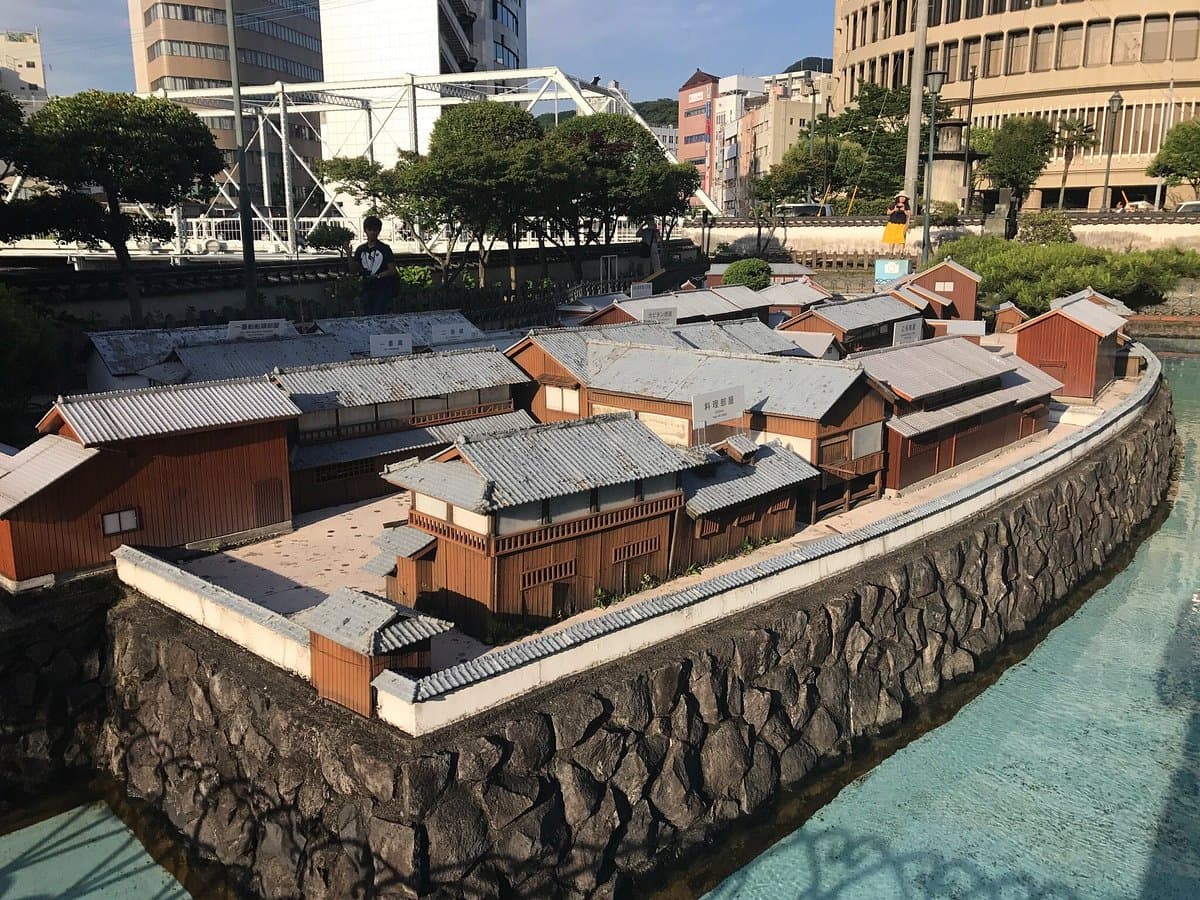
The tramway covers the main valleys of Nagasaki, linking areas like the port, Atomic Bomb Memorial Museum, Dejima, Shinchi Chinatown, and Glover Garden. From JR Nagasaki Station, you can easily access the tram network to reach these destinations. For example, to reach Glover Garden and Oura Cathedral, you might transfer lines at Shinchi Chinatown. While the tram is excellent for city exploration, attractions like Mount Inasa are not directly accessible by tram; for these, a bus or other transport from Nagasaki Station is recommended, especially for night views.
A common complaint, though infrequent, is that some tram stops are located in the middle of the road, sometimes requiring the use of pedestrian bridges without elevators, which can be inconvenient for those with mobility issues. Additionally, while the tram is efficient, a few visitors found buses to be faster or more frequent on certain routes. To mitigate this, always consult a route map and consider your specific destination; for most major tourist sites, the tram remains the most convenient and enjoyable option.