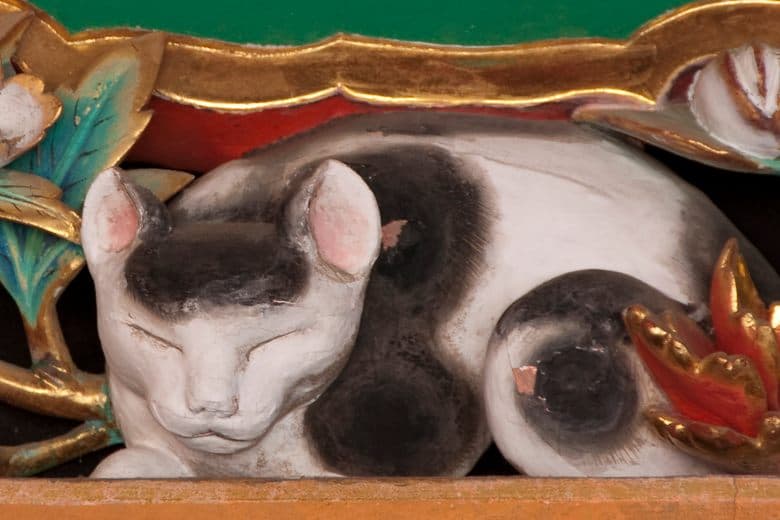
The Nemuri-Neko, or 'Sleeping Cat,' is a celebrated wooden carving located above the entrance to the Okumiya (rear shrine) of the Nikko Toshogu Shrine, the mausoleum of Tokugawa Ieyasu. Despite its small size, this carving is highly significant due to its rarity in religious art of the Edo period, where cats were seldom depicted. It symbolizes peace, with sparrows carved on the reverse side, suggesting a world where even natural adversaries coexist harmoniously.
Visitors consistently praise the intricate detail and the profound symbolism of the Nemuri-Neko. Many are fascinated by the legend surrounding its half-closed eyes, which some interpret as a sign of vigilance rather than sleep, protecting the sacred space from impurities. Reviewers often highlight the peaceful atmosphere it evokes, contrasting with the more ornate and bustling parts of the shrine. However, some visitors mention that its small size can make it easy to miss if one is not actively looking for it.
To fully appreciate the Nemuri-Neko, allocate about 10-15 minutes specifically for viewing it and the surrounding area. The best time to visit is early in the morning to avoid crowds, as the passage leading to it is narrow. Be prepared for a climb, as the path to the Okumiya involves many steep steps. Comfortable walking shoes are essential. Consider purchasing an ema prayer board featuring the Sleeping Cat at the Okumiya or finding related souvenirs in nearby gift shops.
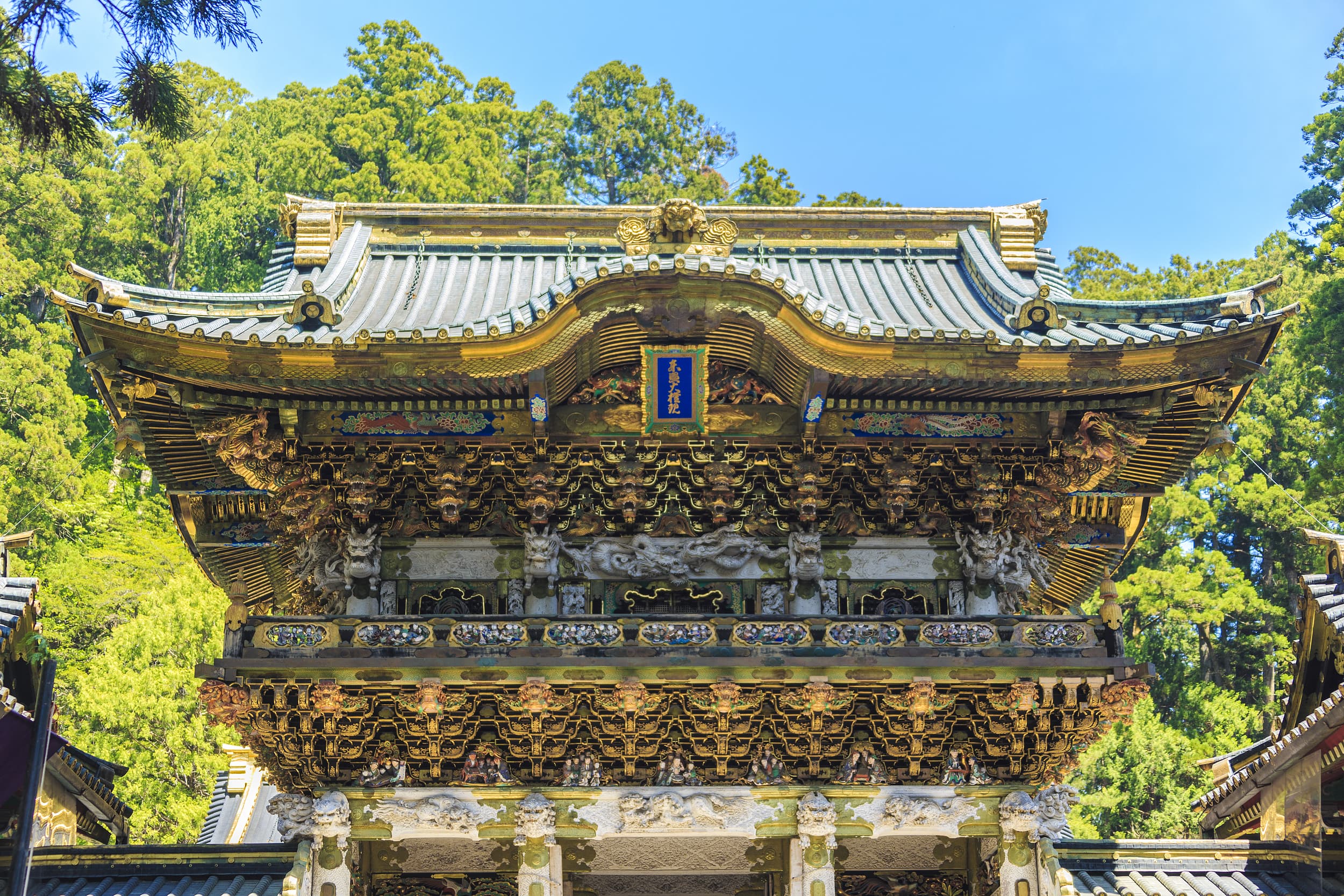
The Nikko Toshogu Shrine complex, where the Nemuri-Neko is located, is accessible via public transport. From Tobu Nikko Station or JR Nikko Station, take a local bus (e.g., the World Heritage Sightseeing Bus) to the 'Toshogu-mae' stop. From there, it's a short walk uphill to the shrine entrance. The Nemuri-Neko is situated within the inner parts of the shrine, requiring visitors to navigate through several gates and courtyards. Driving is an option, but parking can be limited and costly, especially during peak seasons.
A common complaint is the narrowness of the passage leading to the carving, which can become very crowded, especially during peak tourist hours. To mitigate this, plan your visit for early morning or late afternoon. Also, due to its small scale, some visitors might feel underwhelmed if they expect a grand, prominent display. Managing expectations by understanding its subtle nature will enhance the experience.