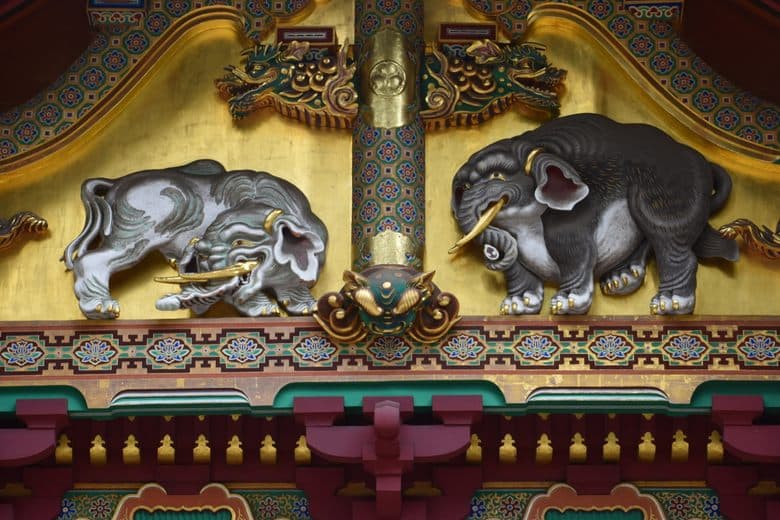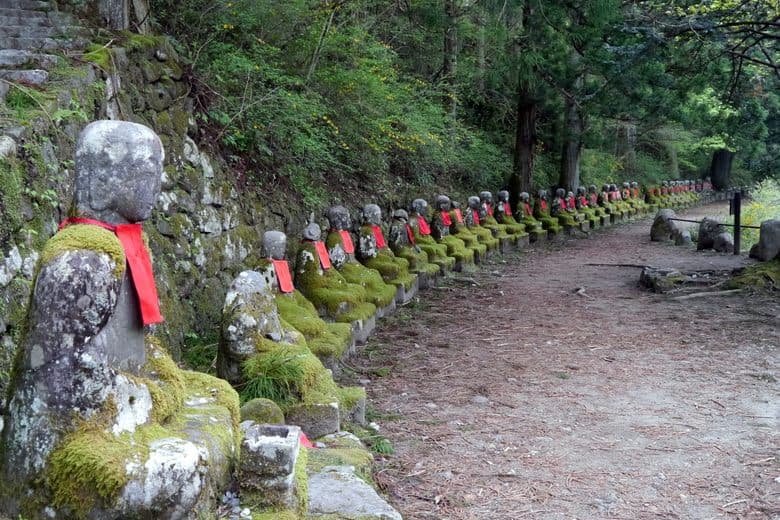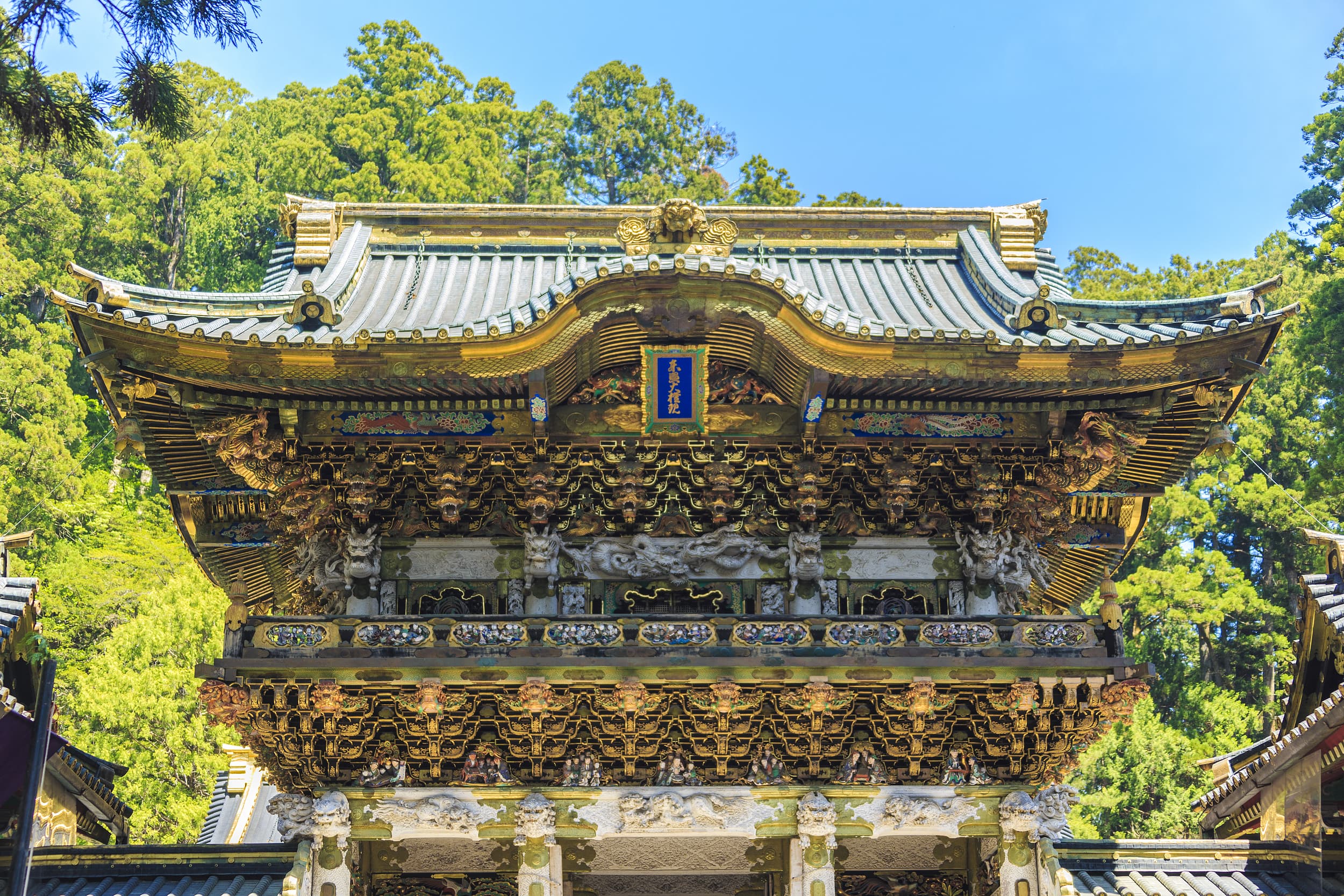
Nikko Toshogu Shrine is a UNESCO World Heritage site of immense historical and cultural significance, serving as the mausoleum of Tokugawa Ieyasu, the founder of the Edo Shogunate. Unlike the minimalist aesthetic often associated with Japanese temples, Toshogu Shrine stands out with its opulent, vibrant, and highly ornate architecture, featuring intricate wood carvings, gold leaf, and a unique blend of traditional Japanese and Baroque influences. It is a testament to the power and wealth of the Tokugawa era, making it a pivotal site for understanding Japan's history.
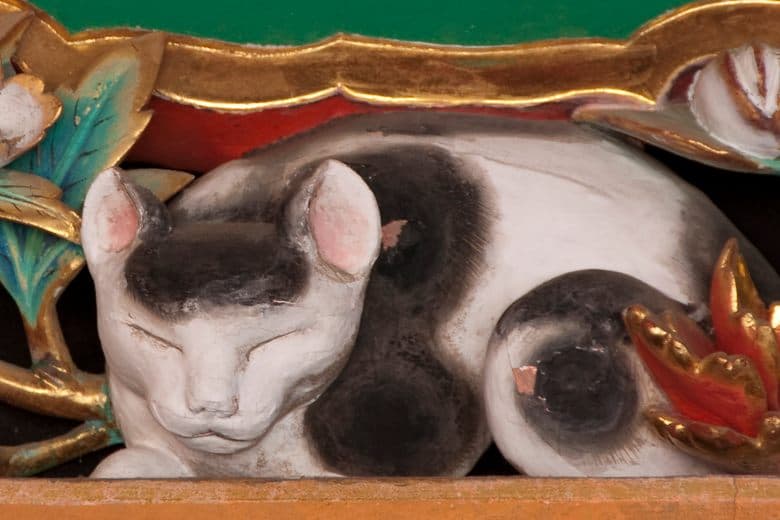
Visitors consistently praise the shrine's breathtaking beauty and the sheer level of detail in its craftsmanship. Many highlight the famous 'Three Wise Monkeys' carving and the 'Sleeping Cat' as must-see elements, along with the 'Crying Dragon' in Honjido Hall, where a unique acoustic effect allows visitors to hear a dragon's 'cry' when clapped directly beneath its head. The grandeur of structures like the Yomeimon Gate is frequently mentioned as a highlight. Reviewers often describe the experience as 'stunning,' 'magnificent,' and 'a feast for the eyes,' with many noting that it surpasses other shrines they've visited in Japan due to its unique aesthetic. The tranquil forest setting also adds to the overall atmosphere, creating a sense of peace despite the crowds.
To make the most of your visit, plan to spend at least 2-3 hours exploring the complex, with some suggesting up to 4 hours to fully appreciate all the details. Arriving early in the morning, ideally right at opening time, is highly recommended to avoid the large crowds, especially school groups and tour buses, which can significantly impact the experience. Several visitors advise against visiting on weekends or during peak seasons like autumn foliage or Golden Week due to extreme congestion. While the site involves a fair amount of walking and climbing stairs, particularly to reach Tokugawa Ieyasu's tomb (about 207 steep steps), many find the ascent worthwhile for the views and the sense of accomplishment. Comfortable shoes are essential. For those with mobility issues, some areas may be challenging, though wheelchair access to the second gate is mentioned, requiring staff assistance.
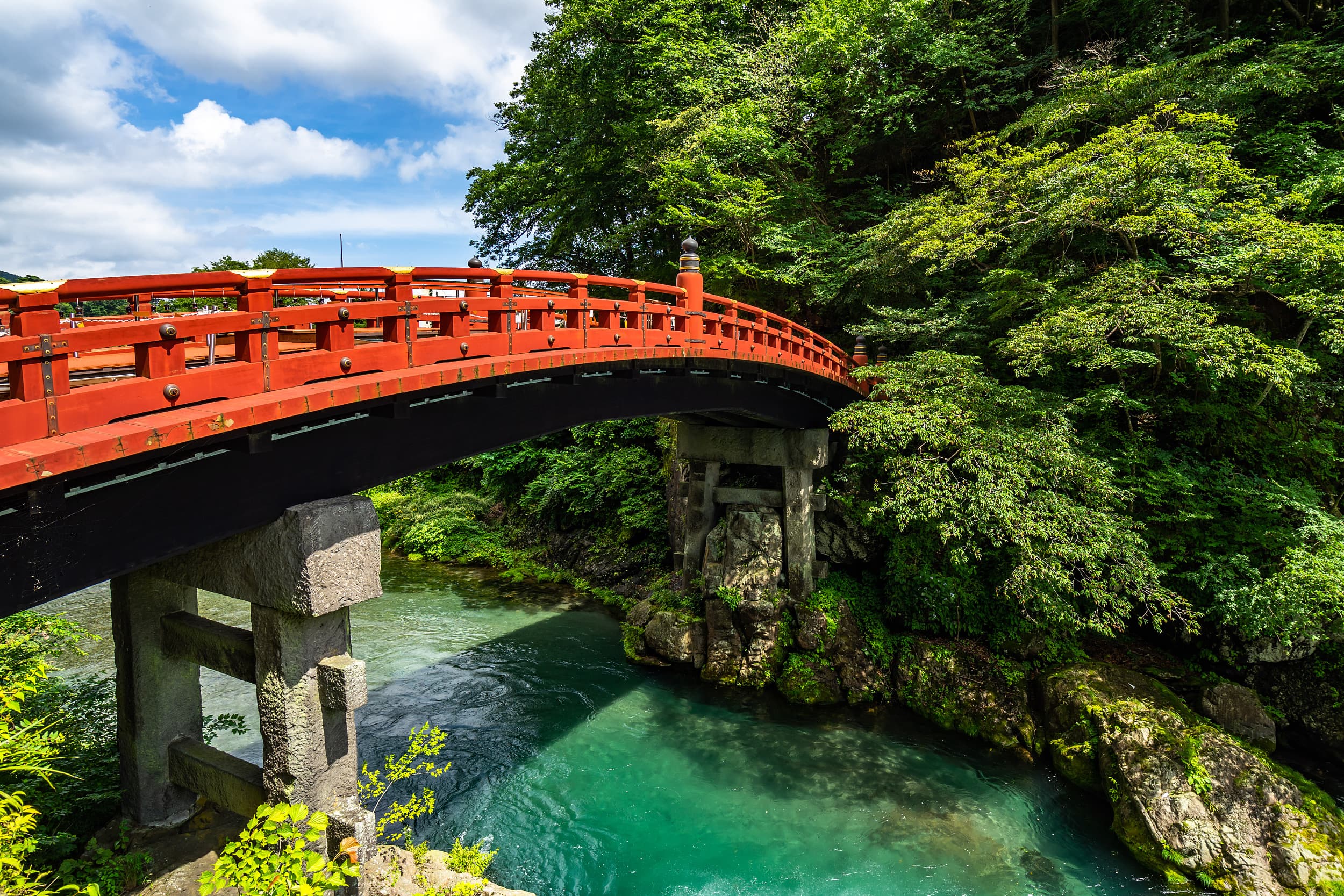
Nikko Toshogu Shrine is easily accessible from Tokyo as a day trip. From Tobu Nikko Station or JR Nikko Station, the shrine complex is about a 15-30 minute walk, which some visitors enjoy for the scenery. Alternatively, a local bus, specifically the 'World Heritage Bus Loop,' can take you directly to the shrine area. Many reviewers recommend purchasing a Nikko Pass (such as the Tobu Nikko Pass) in advance, especially from Tokyo's Asakusa Station, as it often includes train and bus tickets, offering significant savings and convenience. Tickets for the shrine itself can be purchased at Tobu-Nikko Station via vending machines, which helps bypass long queues at the shrine entrance. Some visitors also mention using platforms like KKDay for advance online ticket purchases to avoid lines.
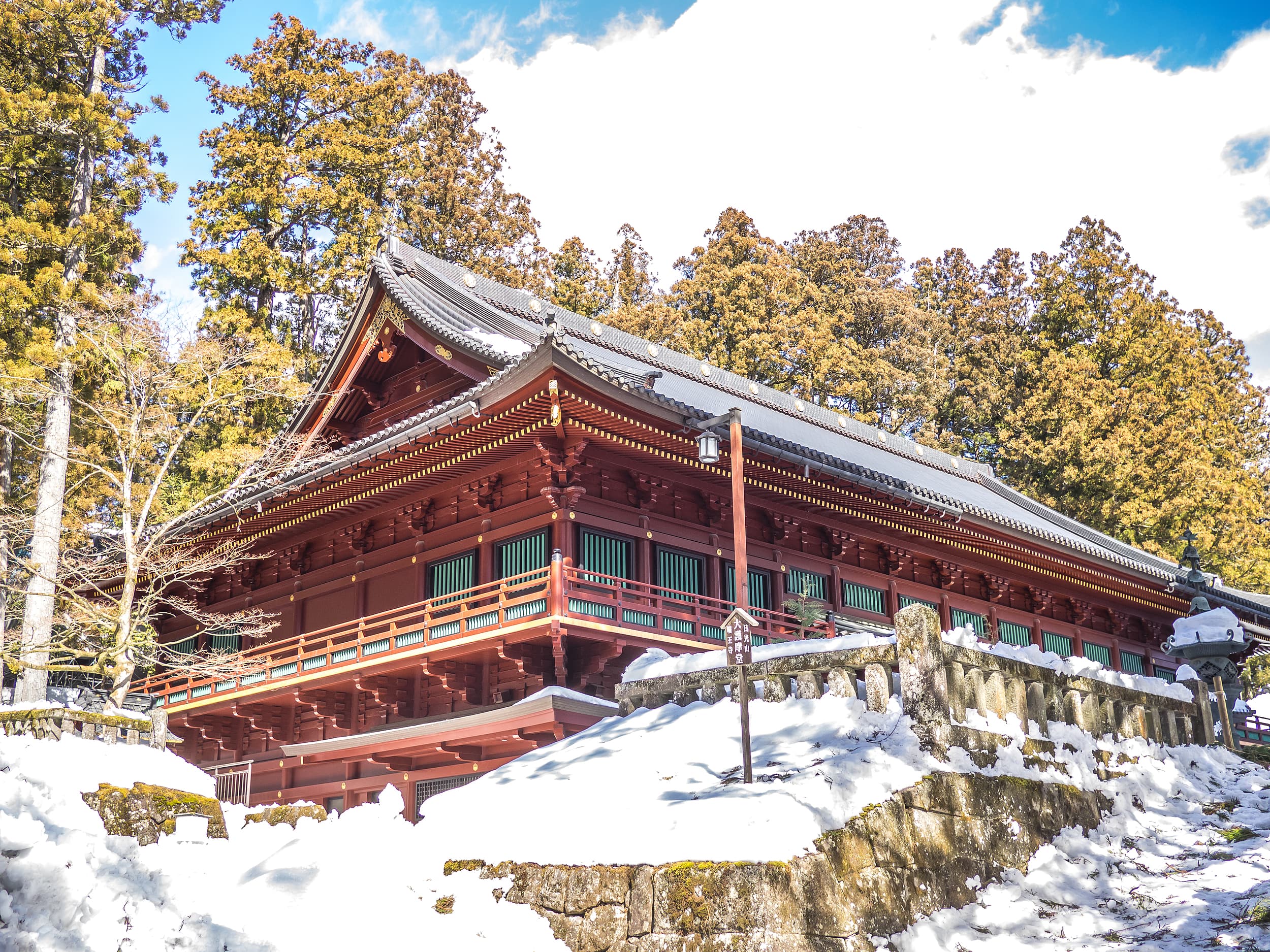
A common complaint among visitors is the overcrowding, which can detract from the serene atmosphere. To mitigate this, as mentioned, arriving early is crucial. Another point of contention is the entrance fee (around 1300 JPY for the main shrine, with additional fees for certain areas like Rinnoji Temple), which some find high, especially if not combined with other attractions. Limited English signage in some areas is also noted, leading some to recommend an English-speaking guide or an audio guide for a deeper understanding of the history and symbolism. Some visitors also express concern about the commercialization of the area with numerous shops, which they feel diminishes the religious aspect of the site.