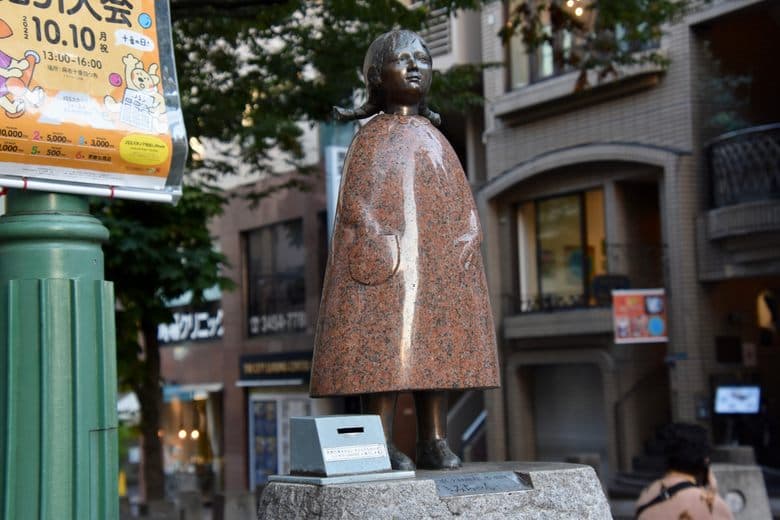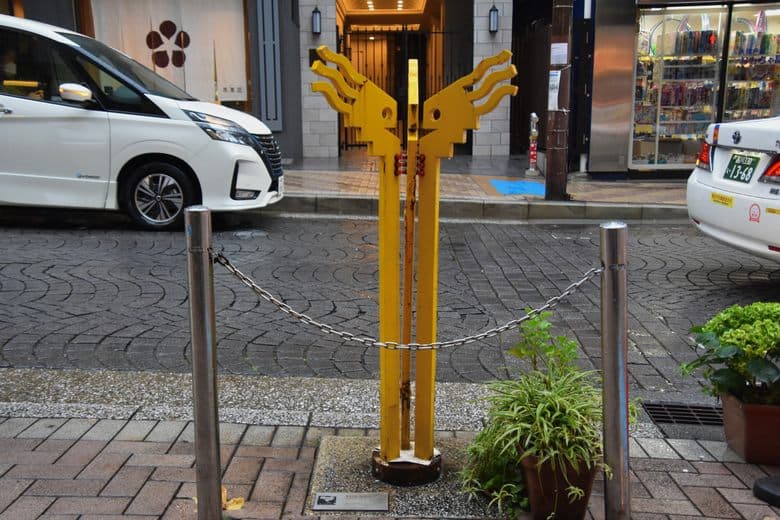
The Azabu-Jūban Smile Monuments are a collection of public sculptures strategically placed throughout the Azabu-Jūban shopping district in Tokyo. This initiative, launched in the 1980s to revitalize the area after a major renovation and the opening of a new subway line, aimed to infuse the district with art and reflect its international community, home to many embassies. The sculptures, created by both Japanese and international artists, are intended to symbolize the warmth and smiles of the people living in and visiting Azabu-Jūban.
Visitors often appreciate the unexpected artistic touches these sculptures add to the bustling shopping streets. Reviewers note that while some pieces, like Anjum Ayaz's 'Smile' or Jorge Blanco's 'Sun Smile', are easily recognizable and evoke positive feelings, others, such as Neculai Păduraru's 'Youganu's Dream', are more abstract or even bizarre, prompting contemplation. The diverse styles and origins of the artists contribute to a varied art walk experience. However, many visitors also mention that the sculptures can be easily overlooked amidst the vibrant shops and restaurants, suggesting they are more of a subtle enhancement to the district rather than a standalone attraction.
To fully appreciate the monuments, it is recommended to dedicate about 1-2 hours for a leisurely stroll. A good strategy is to combine the art walk with shopping or dining in Azabu-Jūban. Visitors suggest picking up a map or using a guide to ensure all pieces are found, as they are spread out. The best time to visit is during daylight hours to clearly see the sculptures, and weekdays might offer a less crowded experience than weekends. There are no specific items to bring, but comfortable walking shoes are advisable.
The monuments are primarily located along Jūban-dōri Street, between Exit 4 of Azabujuban Station and the Kurayami-zaka Slope. The street starts with 'Father and Son' and ends with 'Smile on the Foot of the Ladder'. To find the remaining three, visitors should turn towards the Patio Juban square at the intersection of Zōshiki Street, with 'The Inner and the Outer Sound' located at the end of Patio Street. The Azabujuban Station is served by the Tokyo Metro Namboku Line and the Toei Oedo Line, making it easily accessible by public transport. The sculptures are within easy walking distance from the station exits.
A common complaint is that some sculptures are not well-maintained or are temporarily removed for various reasons. For example, Anjum Ayaz's 'Smile' has been noted to be temporarily relocated or covered. Visitors should be aware that not all pieces might be visible or in pristine condition during their visit. To mitigate this, it's best to view the collection as an enhancement to a shopping trip rather than the sole purpose of the visit, embracing the serendipitous discovery of art.