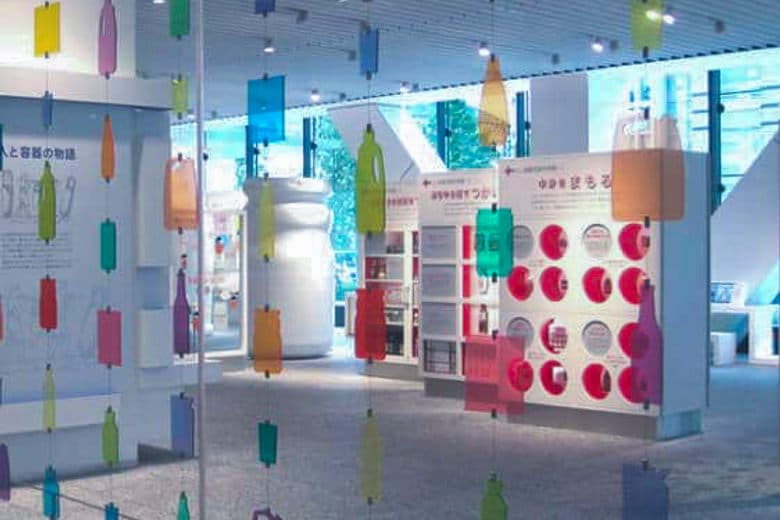
The Museum of Package Culture is a unique institution dedicated to the history, design, and cultural impact of packaging. It delves into an often-overlooked aspect of daily life, showcasing how packaging has evolved from ancient storage techniques to modern innovations and future concepts. The museum aims to highlight the significance of packaging in commerce, design, and consumer experience, making visitors rethink the humble box or can.
Visitors consistently praise the museum for its interactive exhibits, which appeal to both adults and children. Reviewers often mention the surprising depth of information presented, covering everything from the engineering behind pull tabs to the marketing strategies for simple items. The museum's ability to make a seemingly mundane topic engaging and educational is a recurring positive theme. Several visitors highlight the unique vending machine offering original souvenirs made from packaging materials, such as cardboard craft models, as a fun and memorable aspect of their visit.
For a fulfilling visit, allocate approximately 1 to 2 hours. The museum is best visited during weekdays, as it is closed on weekends. Since entry is free, it's an excellent budget-friendly option. Consider bringing a small bag for any souvenirs you might purchase from the unique vending machine. There are no specific items to skip, as the entire collection is curated to provide a cohesive narrative on packaging culture.
The museum is conveniently located within walking distance of several major train stations. It's a short walk from Ōsaki Station, which is served by the Yamanote and Rinkai Lines. Alternatively, it's less than a mile from Gotanda Station (Asakusa, Yamanote, or Tokyu-Ikegami Lines) and Takanawa-dai Station (Asakusa Line). Public transport is highly recommended, as parking information is not readily available, and Tokyo's public transit system is efficient and extensive. Simply search for "The Museum of Package Culture" on Google Maps for precise directions.
Common complaints are minimal, primarily revolving around the museum's niche subject matter, which might not appeal to everyone. To mitigate this, visitors should approach the museum with an open mind and an interest in design, history, or the often-unseen aspects of consumer culture. Those expecting a large, traditional art or history museum might find its focus too specific, but for those interested in its theme, it offers a surprisingly rich experience.