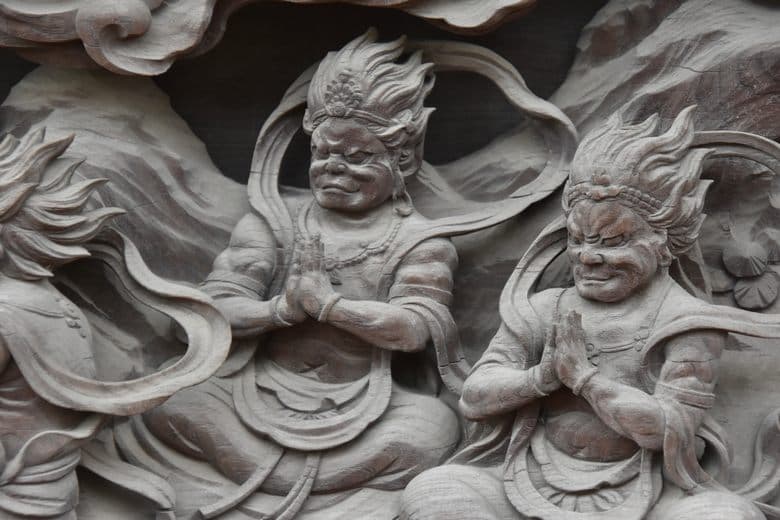
Shibamata Taishakuten, formally named Daikyō-ji Temple, is a Nichiren sect Buddhist temple established in 1629. It stands as a significant cultural landmark, particularly renowned for its intricate wood carvings and its association with the classic Japanese film series "Tora-san's Story." The temple offers a tranquil escape from the bustling city, allowing visitors to experience a piece of Edo-period Japan.
Visitors consistently praise the temple's stunning wood carvings, which are considered a highlight and a must-see. Many reviewers note the serene and traditional atmosphere, appreciating the opportunity to walk through the long commercial street leading to the temple, which adds to the nostalgic charm. The temple's ancient appearance, with its copper-green roof, is frequently mentioned as contributing to its unique character. While some visitors choose not to pay for the back garden, they still find the main temple area and its surroundings highly rewarding.
To make the most of your visit, allocate 1-2 hours to explore the temple grounds and the approach street. The best time to visit is during daylight hours when the intricate details of the wood carvings are clearly visible. Consider visiting on a weekday to avoid larger crowds, as the temple can attract many worshippers. Bringing comfortable walking shoes is advisable, as you'll be strolling through the commercial street and the temple complex. While the back garden is optional, those interested in traditional Japanese landscaping might find it a worthwhile addition to their visit.
Shibamata Taishakuten is conveniently located. From Shibamata Station, visitors can easily follow the crowd through a charming commercial street directly to the temple. This approach itself is part of the experience, lined with shops and eateries. The presence of a subway station nearby makes transportation very convenient, as noted by several reviewers. Public transport is highly recommended for reaching this destination.
A common observation from visitors is that the temple, while beautiful, might not appear grand or majestic at first glance. However, the true beauty lies in the detailed craftsmanship of the wood carvings and the overall traditional ambiance. To mitigate any initial underestimation, focus on the intricate details of the architecture and allow yourself to be immersed in the historical setting rather than expecting a massive, imposing structure.