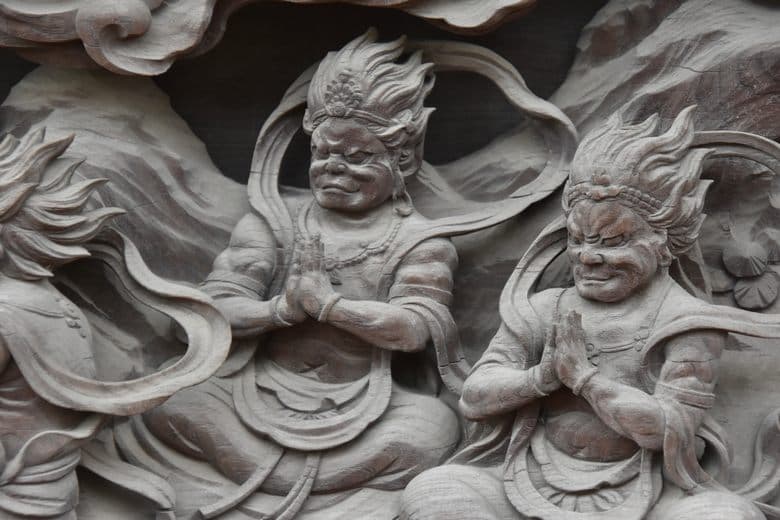
The Shibamata Taishakuten Sculpture Gallery is the often-overlooked centerpiece of the Daikyō-ji temple, a Nichiren Buddhist site commonly known as Shibamata Taishakuten. Established in 1629, the temple complex is renowned for its quaint atmosphere and the traditional shopping street leading up to it. The gallery itself is a hidden gem, featuring intricate wood carvings and reliefs created by ten artisans over twelve years (1922-1934). These masterpieces, encased in glass for preservation, depict ten Buddhist scenes from the Lotus Sutra, carved from single blocks of zelkova wood, alongside numerous carvings of lucky animals like turtles and cranes, and celestial maidens.
Visitors frequently express admiration for the exceptional craftsmanship and the profound detail of the wood carvings. Many describe the experience as a journey through ancient Buddhist narratives, highlighting the unique artistic expression. The accompanying Suikei-en gardens, often referred to as the last true Edo-style Japanese gardens, are consistently praised for their tranquil ambiance and picturesque scenery, offering a stark contrast to the lively city outside. Reviewers suggest taking time to appreciate both the sculptures and the garden's serene beauty.
To make the most of your visit, allocate approximately 1-2 hours to fully appreciate both the sculpture gallery and the gardens. The best time to visit is during the morning or late afternoon to avoid larger crowds and enjoy the peaceful atmosphere. Bringing a good camera is recommended to capture the intricate details of the carvings and the garden's beauty. While the gallery is encased in glass, visitors note that the viewing angles are excellent. Remember that you can only view the garden from outer corridors, not walk inside it.
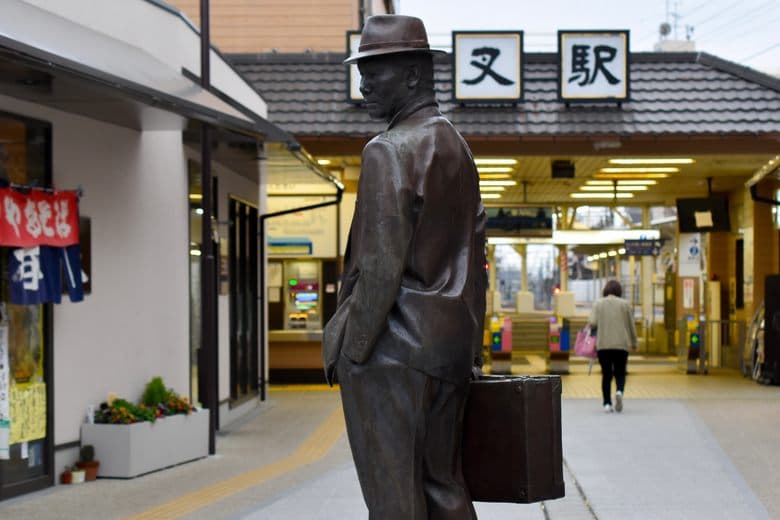
The Shibamata Taishakuten complex is easily accessible by public transport. Take the Keisei Kanamachi Line to Shibamata Station. From there, the temple and its gallery are a short, pleasant walk along a traditional shopping street, which many visitors enjoy for its food stalls and historic restaurants. This walk adds to the overall traditional Japanese experience. Driving is generally not recommended due to limited parking and the convenience of public transport.
A common complaint among some visitors is the relatively small size of the gallery and the fact that the garden cannot be entered directly. However, most agree that the quality and historical significance of the carvings, combined with the serene garden views, far outweigh these minor points. To mitigate any disappointment, set expectations that the garden is for viewing only and focus on the extraordinary detail of the wood reliefs.