Attractions — Tokyo
Attraction
Tobinodai Shell Midden
Tobinodai Shell Midden
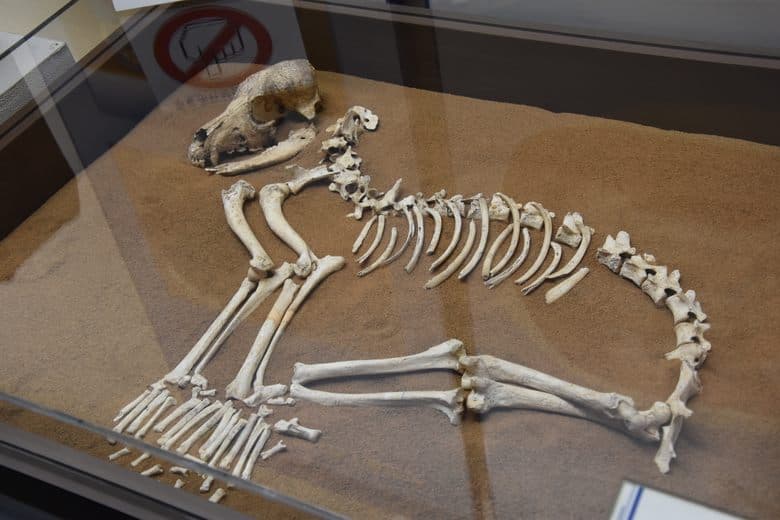
Explore the fascinating Tobinodai Shell Midden, a prehistoric Jōmon settlement dating back 7,000 years. The on-site museum showcases ancient artifacts, including unique pottery and human remains, alongside modern art inspired by Jōmon culture, offering a blend of history and contemporary creativity.
Attraction
Lashinbang Akihabara New Store
Lashinbang Akihabara New Store · Lashinbang Akihabara New Store · Lashinbang Akihabara New Store
Second-hand figurines (used anime/game figures).
Attraction
Takabisha
Takabisha · Takabisha · Takabisha
A roller coaster known for its extremely steep drop angle (121 degrees).
Attraction
Kotobukiya
Kotobukiya · Kotobukiya · Kotobukiya
A shop for toys and figures.
Attraction
Yoyogi National Gymnasium
Yoyogi National Gymnasium · 国立代々木競技場 · Kokuritsu Yoyogi Kyogijo
Yoyogi Park was part of the 1964 Olympic Games. Most temporary structures were dismantled after the Games, but one of the main Olympic facilities — the Yoyogi National Gymnasium — is still in use today.
Attraction
Google Japan
Google Japan · Google Japan · Google Japan
The corporate headquarters of Google.
Attraction
National Noh Theatre
National Noh Theatre · 国立能楽堂 · Kokuritsu Nōgakudō
Noh is a form of Japanese theatre — older and more classical, characterized by seriousness and austerity. Noh actors are traditionally male. The main character wears special masks instead of expressive facial acting, and performances are long and may require some preparation from the audience. To balance Noh’s drama, it is often combined with comic scenes (kyōgen); that mix is called nōgaku. The main Noh stage in Tokyo is the National Noh Theatre. Seats are equipped with screens showing English subtitles, but even so the performance can be hard to follow.
Attraction
Takagi Shrine
Takagi Shrine · 高木神社 · Takagi Jinja
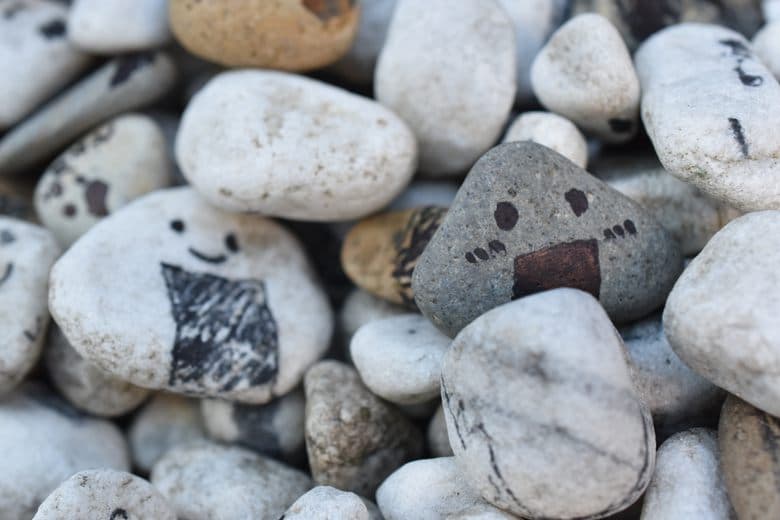
Takagi Shrine is a charming Shinto shrine in Tokyo known for its unique association with 'go-en' (fate and relationships) and adorable rice ball motifs. Visitors can find these 'onigiri' hidden throughout the grounds, symbolizing the shrine's dedication to the deity of creation and birth.
Attraction
War-Damaged Utility Pole Monument
War-Damaged Utility Pole Monument
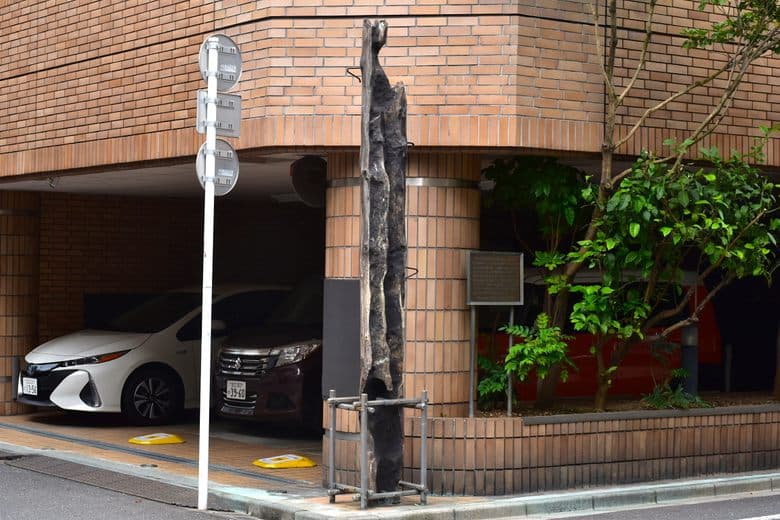
The War-Damaged Utility Pole Monument in Tokyo serves as a poignant, albeit subtle, reminder of the devastating 1945 firebombing. While it appears to be a natural relic, visitors will discover it's a porcelain replica, with the original preserved elsewhere, offering a quiet moment of reflection on the city's resilience.
Attraction
Arima Family Plot
Arima Family Plot
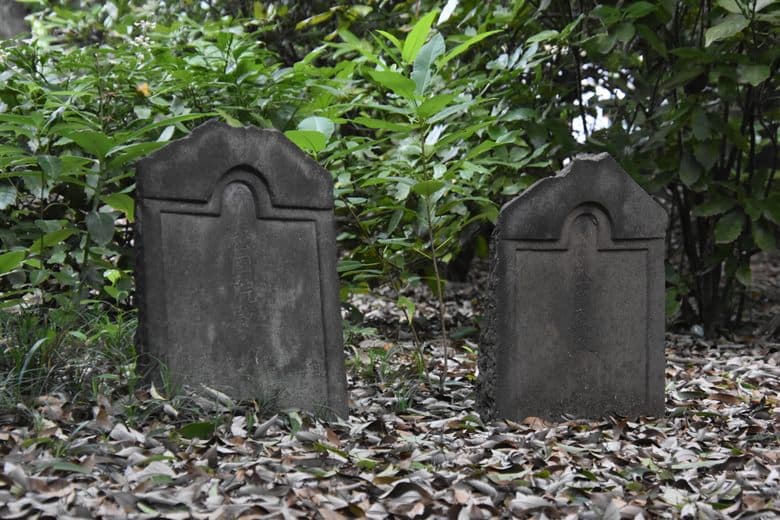
The Arima Family Plot consists of several mysterious gravestones located within the Tokyo National Museum's Japanese garden. Their presence, after all other temple graves were relocated, remains an unexplained historical anomaly that intrigues visitors.
Attraction
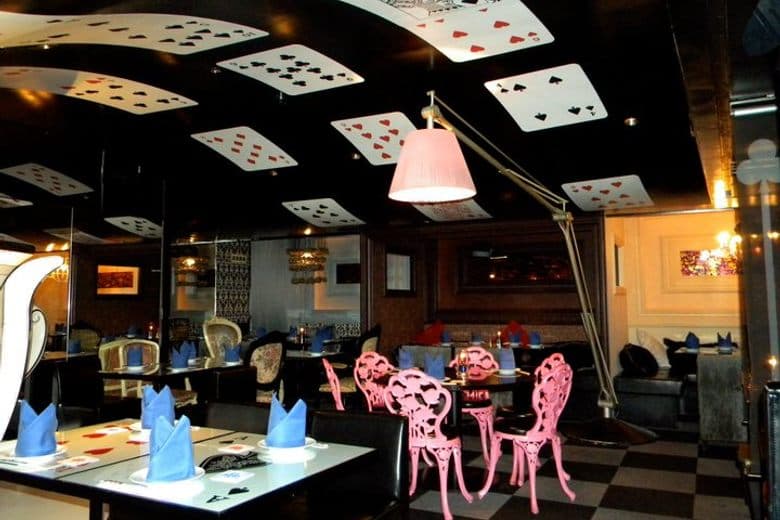
Fantasy Dining Alice in a Labyrinth
Fantasy Dining Alice in a Labyrinth
Fantasy Dining Alice in a Labyrinth was a unique 'Alice in Wonderland'-themed restaurant in Tokyo, known for its immersive decor and themed food. While the original location has closed, similar Alice's Fantasy Restaurants continue to operate in other parts of Japan, offering a whimsical dining experience.
Attraction
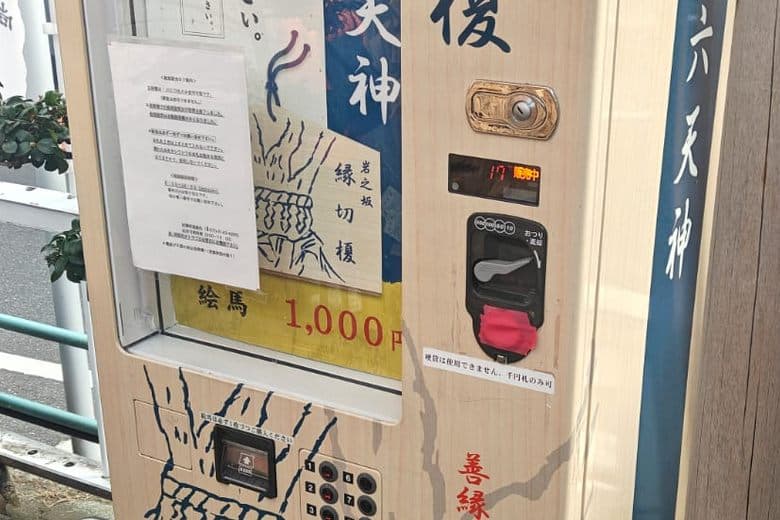
Enkiri Enoki
Enkiri Enoki
Enkiri Enoki is a small, unconventional shrine in Tokyo known for its unique operation entirely by vending machines. Visitors come here to pray for the severance of bad relationships or the beginning of new ones, or even to overcome addictions, making it a curious stop for those interested in local customs.
Attraction
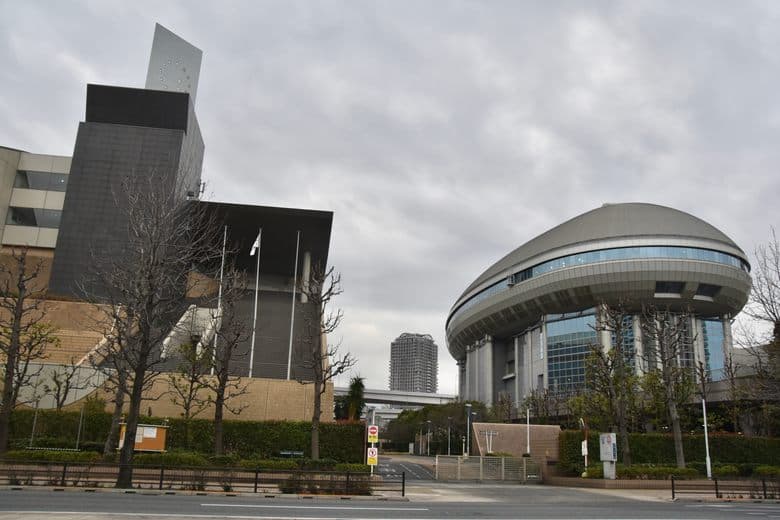
Ariake Incineration Plant Chimney Clock
Ariake Incineration Plant Chimney Clock
The Ariake Incineration Plant's 140-meter chimney features an unusual dot-based clock that has puzzled visitors since 1995. The design uses illuminated dots on a circle to indicate hours and dots on a vertical line to show five-minute intervals, making it one of Tokyo's most unconventional timekeeping devices. It's an oddly charming piece of industrial design best appreciated from a distance during a walk through Odaiba's waterfront.
Attraction
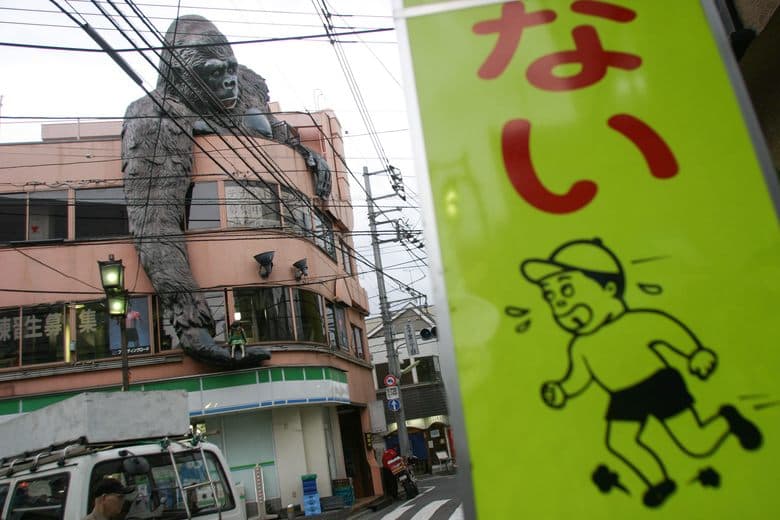
Gorilla Building
Gorilla Building
The Gorilla Building in Tokyo's Sangenjaya neighborhood features a large gorilla sculpture clinging to its facade, holding a schoolgirl. It's a whimsical and unexpected sight that offers a fun photo opportunity for those exploring the area.
Attraction
Aoyama Technical College
Aoyama Technical College
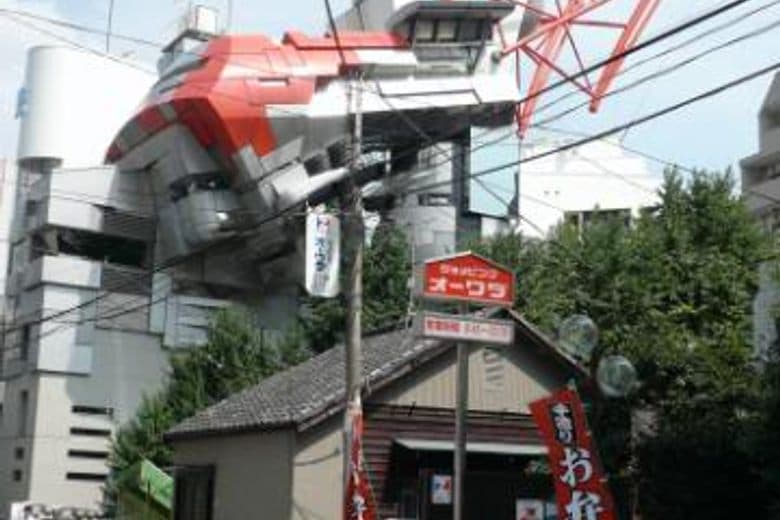
Aoyama Technical College is an architectural curiosity in Tokyo, known for its striking, industrial design that resembles a giant insect or machine. Designed by Makoto Sei Watanabe, it stands out dramatically amidst its residential surroundings, offering a unique visual experience for those interested in avant-garde buildings.
Attraction
Shiotama
Shiotama
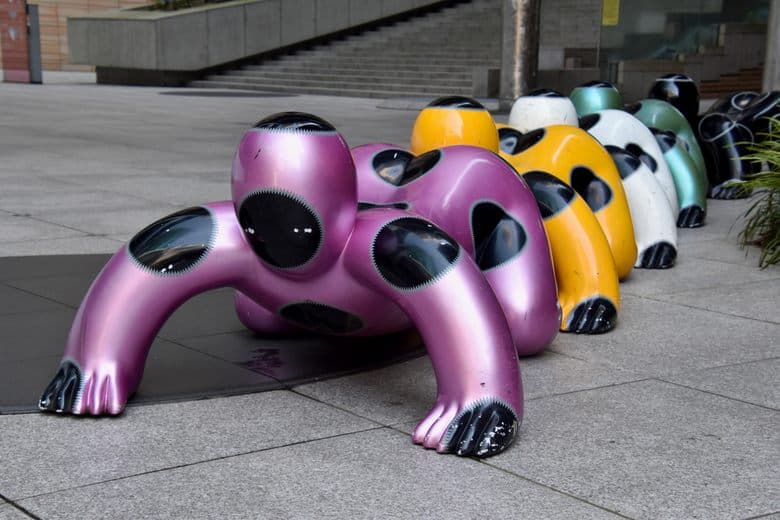
Shiotama is an unusual art installation featuring humanoid, polka-dotted sculptures crawling on all fours in the NTV plaza in Tokyo's Shiodome district. While not a major attraction, visitors often stumble upon these quirky figures when heading to the nearby Ghibli Clock or Nittele Tower, finding them to be a peculiar and memorable sight.
Attraction
Shin-Ōhashi Bridge
Shin-Ōhashi Bridge
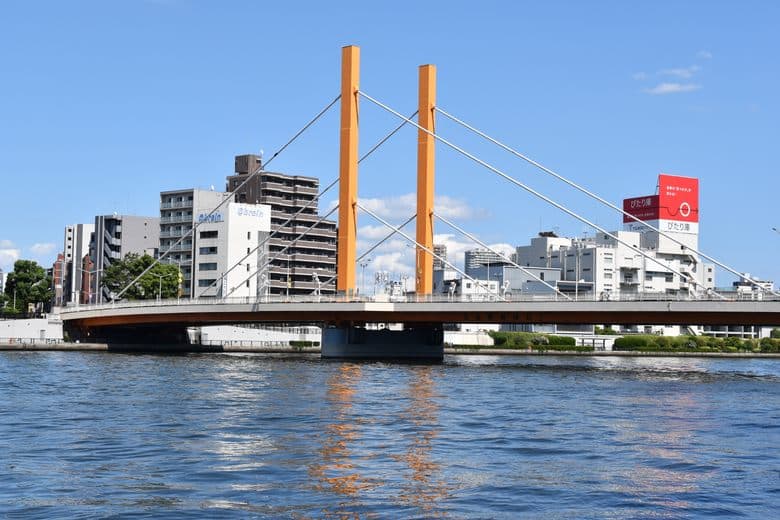
The Shin-Ōhashi Bridge, spanning the Sumida River, holds a unique place in art history as the subject of a famous ukiyo-e print that later influenced Vincent Van Gogh. While the current structure is modern, its historical significance offers a glimpse into Tokyo's past and its artistic connections.
Attraction
The Site of Yatate Hajime
The Site of Yatate Hajime
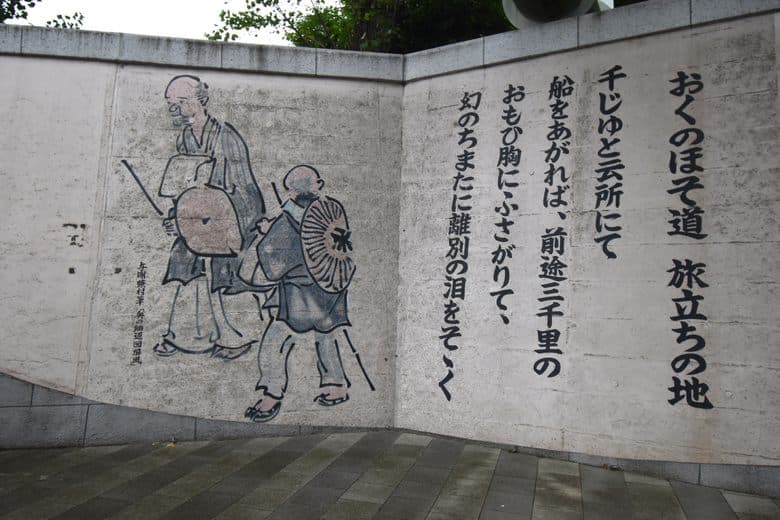
The Site of Yatate Hajime commemorates the starting point of Matsuo Bashō's famous journey, "The Narrow Road to the Deep North." Visitors can see a mural of his inaugural haiku under Senju-ōhashi Bridge and statues of the poet on both sides of the river, marking a significant moment in Japanese literary history.
Attraction
Hermès Ginza
Hermès Ginza · Hermès Ginza · Hermès Ginza
The Hermès facade is made of translucent glass blocks.
Attraction
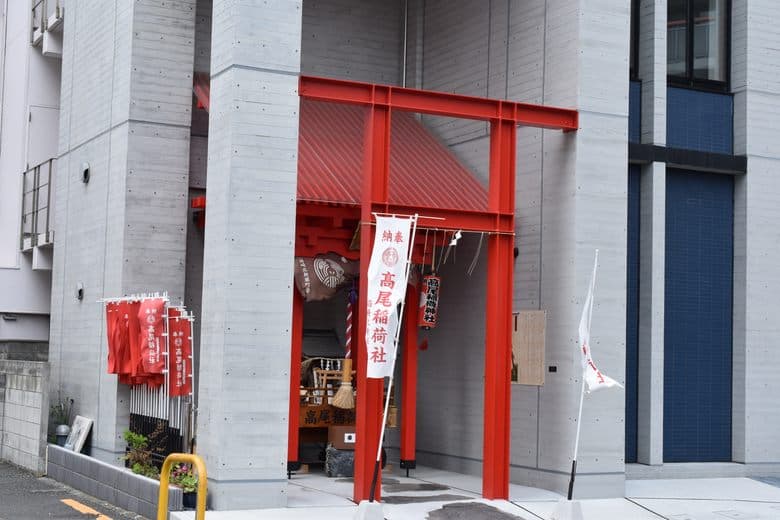
Takao Inari Shrine
Takao Inari Shrine
Takao Inari Shrine is a small, unassuming shrine in Tokyo's Nihonbashi-Hakozakicho district, notable for its modern design and a peculiar legend. It is said to house the deified skull of a 17th-century courtesan, Takao-Dayū, and is believed to offer relief from head-related ailments.