Attractions — Tokyo
Attraction
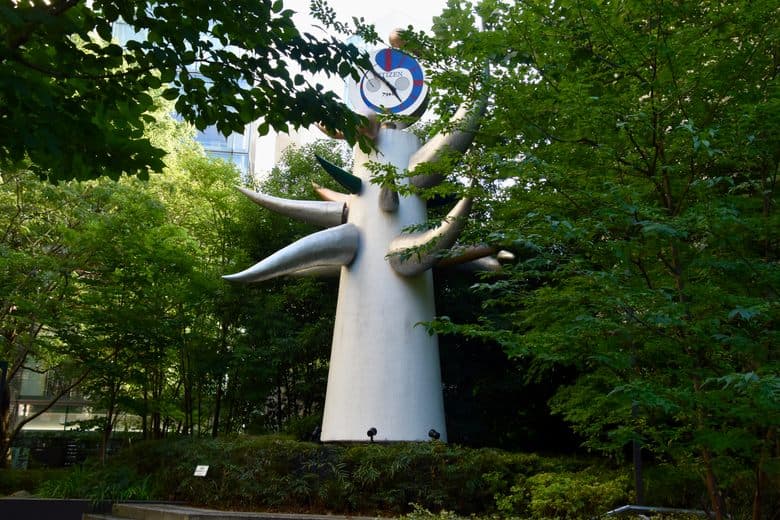
Young Clock Tower
Young Clock Tower
The Young Clock Tower, a creation by renowned artist Taro Okamoto, stands as a unique artistic landmark in Tokyo's Ginza district. While often overlooked, its vibrant design and philosophical underpinnings offer a glimpse into Okamoto's distinctive style, serving as a precursor to his more famous works.
Attraction
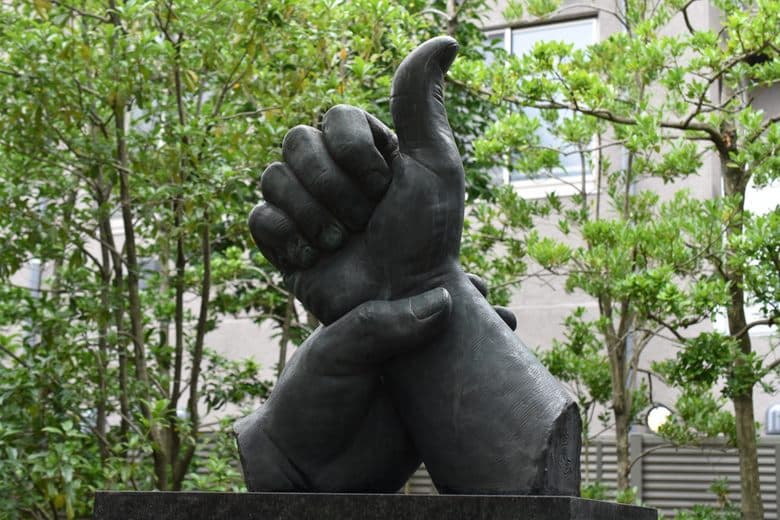
Yubizuka
Yubizuka
Yubizuka is a unique bronze sculpture located within the grounds of Denzuin Temple, commemorating the master of shiatsu, Tokujiro Namikoshi. Visitors find it an unusual and somewhat quirky monument, often discovered as an unexpected detail during a visit to the temple.
Attraction
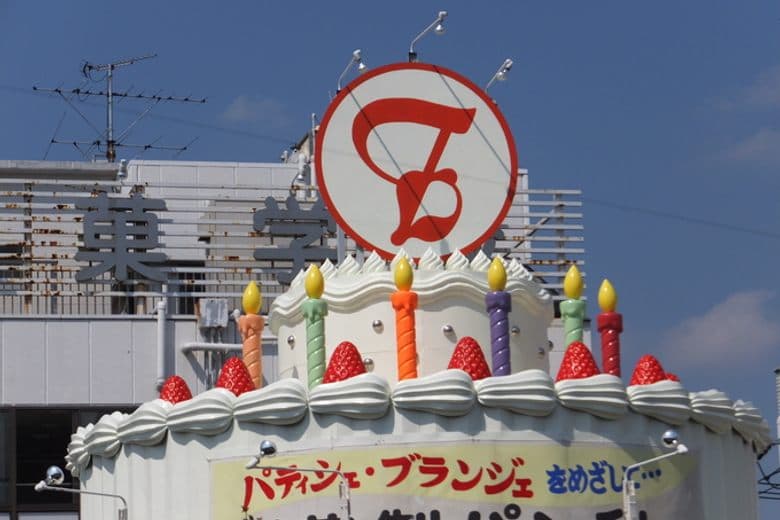
Futaba Cake Building
Futaba Cake Building
Perched atop a confectionery college in Kichijōji, the Futaba Cake Building is a giant, two-tiered cake sculpture designed to catch the eye of passengers on the Chūō railway line. It serves as a whimsical advertisement for the school, complete with candles, strawberries, and a school logo.
Attraction
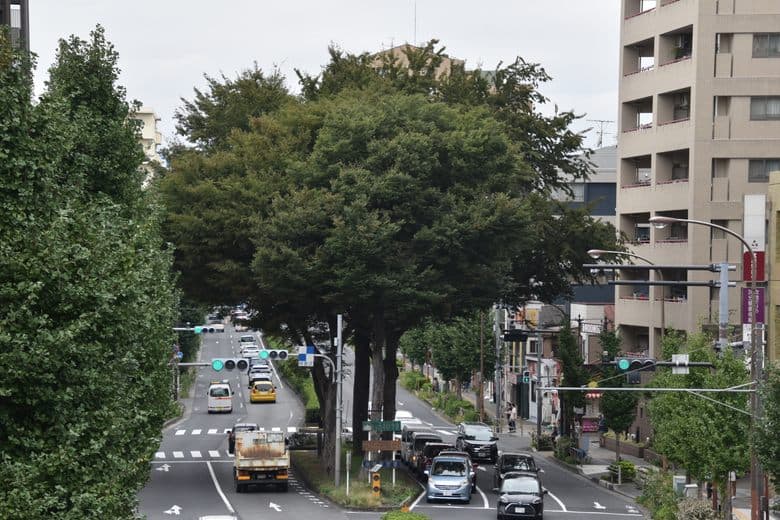
Five Zelkovas of Kami-Itabashi
Five Zelkovas of Kami-Itabashi
The Five Zelkovas of Kami-Itabashi are a peculiar natural landmark in Tokyo, known for their historical significance and the local legend of a 'curse' that protects them. These trees stand prominently in the middle of a road, sparking both local pride and traffic complaints, and are rumored to be haunted.
Attraction
Ghost Chimney Monument
Ghost Chimney Monument
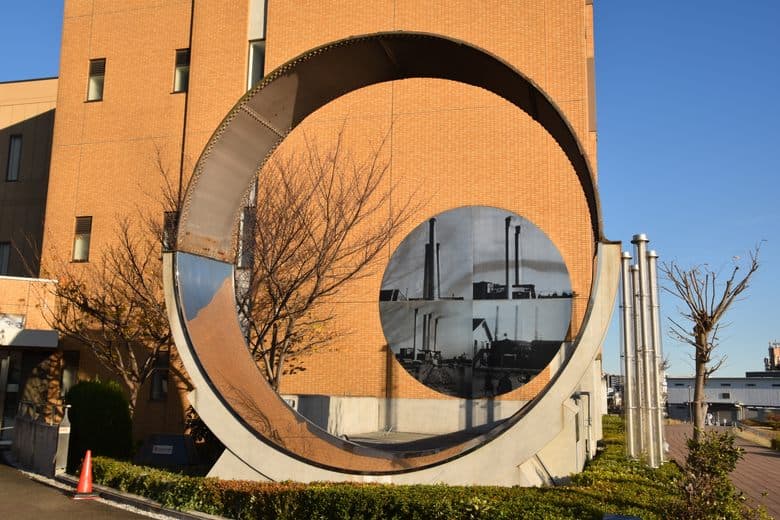
The Ghost Chimney Monument is a semicircular remnant of the Senju Thermal Power Station, once an iconic Tokyo landmark. It offers a glimpse into the city's industrial heritage and its connection to classic Japanese cinema, appealing to those with a specific interest in local history.
Attraction
Hakubutsukan-Dōbutsuen Station
Hakubutsukan-Dōbutsuen Station
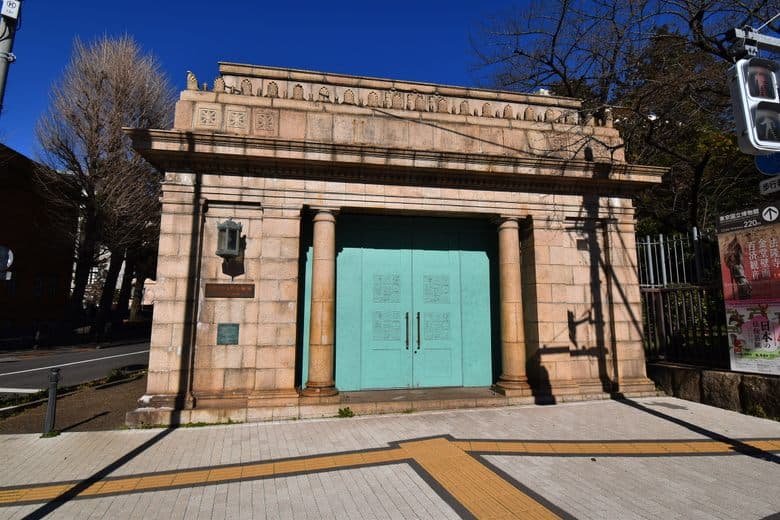
Hakubutsukan-Dōbutsuen Station is an abandoned, art-filled subway station in Tokyo's Ueno district, visible only for a few seconds from a passing train. It offers a fleeting glimpse into a forgotten piece of the city's railway history, adorned with unique graffiti and a modern art installation.
Attraction
Grave of Hattori Hanzō
Grave of Hattori Hanzō
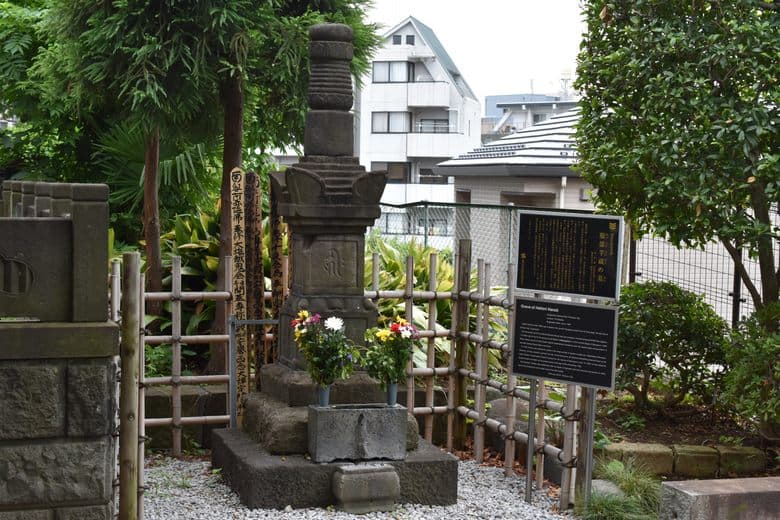
The Grave of Hattori Hanzō offers a quiet moment to connect with a legendary figure often depicted as a ninja in popular culture. Located within the Sainen-ji temple grounds, it's a small, historical marker that appeals most to enthusiasts of Japanese history and martial arts.
Attraction
Heiwa no Chikai (Oath of Peace)
Heiwa no Chikai (Oath of Peace)
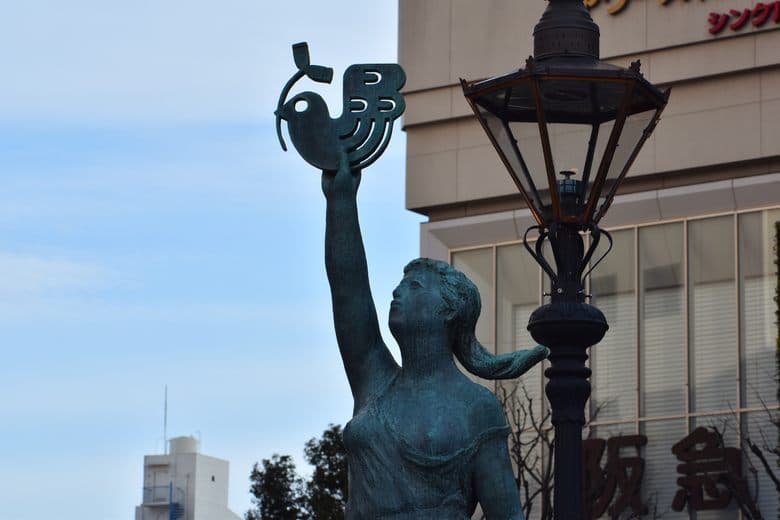
The "Oath of Peace" statue near Ōimachi Station, while intended to symbolize peace with a dove carrying a nuclear bomb, has gained unexpected internet fame in Japan. Many interpret the bird as the Twitter logo, leading to humorous takes on a mother confiscating her son's internet. It's a quick, quirky photo opportunity.
Attraction
Harumi Bridge
Harumi Bridge
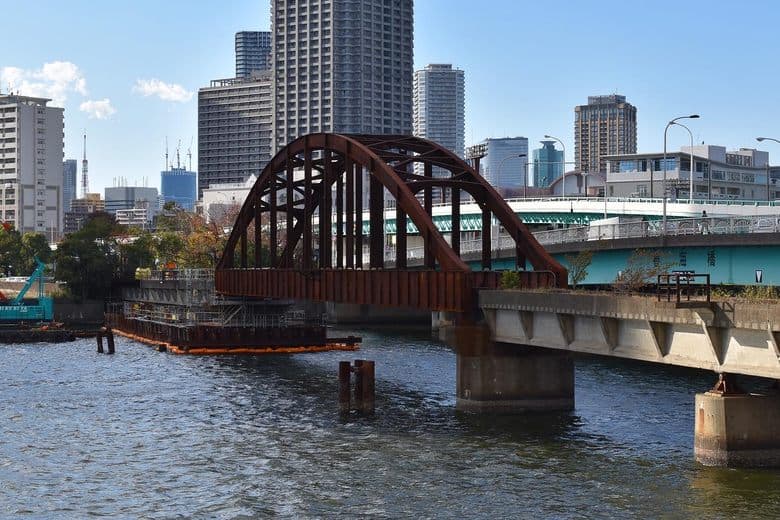
Harumi Bridge is a former freight railway bridge in Tokyo, notable for its Lohse arch design and maroon patina from decades of disuse. Currently undergoing renovation, it is slated to become a scenic promenade, offering a glimpse into Tokyo's industrial past and future urban green spaces.
Attraction
Ikebukuro Shimento Pagoda
Ikebukuro Shimento Pagoda
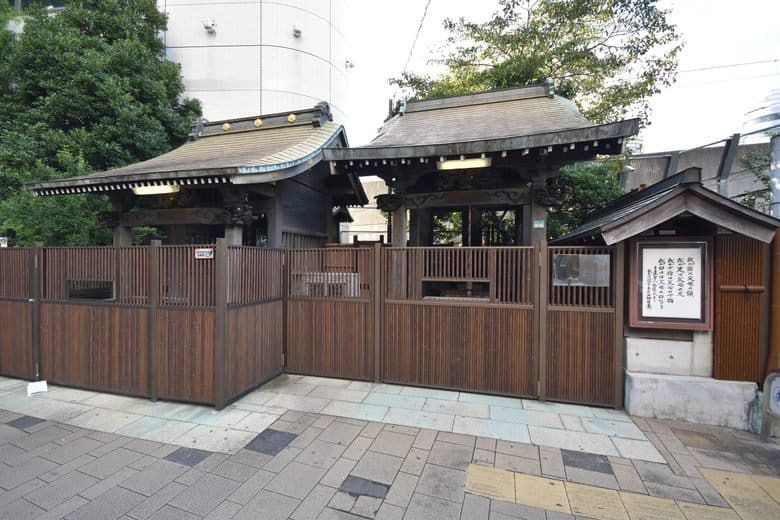
Hidden amidst the bustling Ikebukuro district, the Shimento Pagoda is a somber memorial dedicated to victims of a legendary 18th-century 'phantom slasher' and other tragedies. While some locals believe it to be cursed, visitors find it a unique, albeit brief, glimpse into Tokyo's darker historical narratives.
Attraction
Hideyo Noguchi Statue
Hideyo Noguchi Statue
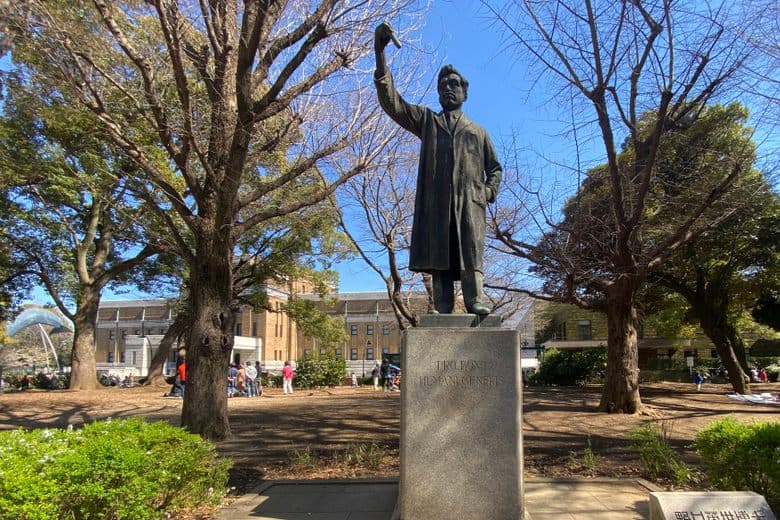
Commemorating the renowned Japanese scientist Hideyo Noguchi, whose image graces the 1000-yen banknote, this statue in Ueno Park offers a quiet moment of reflection on his contributions to medicine. Visitors often encounter it while exploring the park's broader attractions, appreciating its historical context.
Attraction
Jan Joosten Memorial
Jan Joosten Memorial
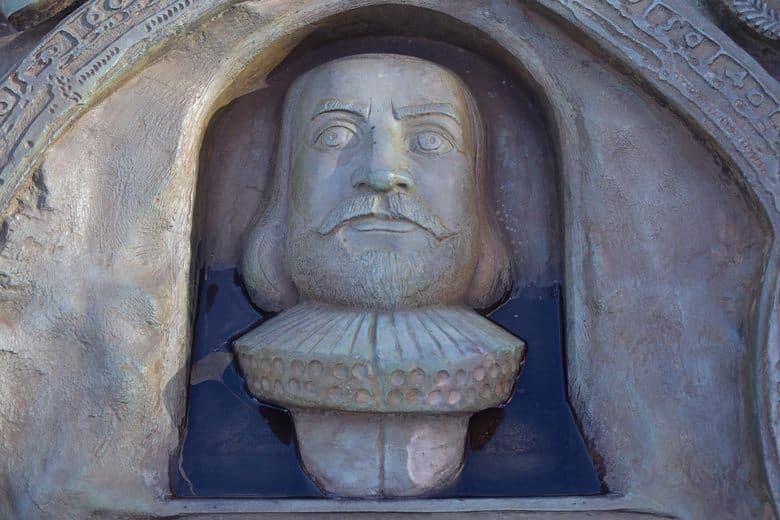
The Jan Joosten Memorial commemorates the first Dutchman to reach Japan, a figure whose name, Jan Joosten van Lodensteijn, is linked to the Yaesu district of Tokyo. Visitors can find two bronze busts: one outdoors near Tokyo Station and another inside the Yaesu Shopping Mall, offering a brief historical pause amidst the bustling city.
Attraction
Mushizuka at Kan'ei-ji Temple
Mushizuka at Kan'ei-ji Temple
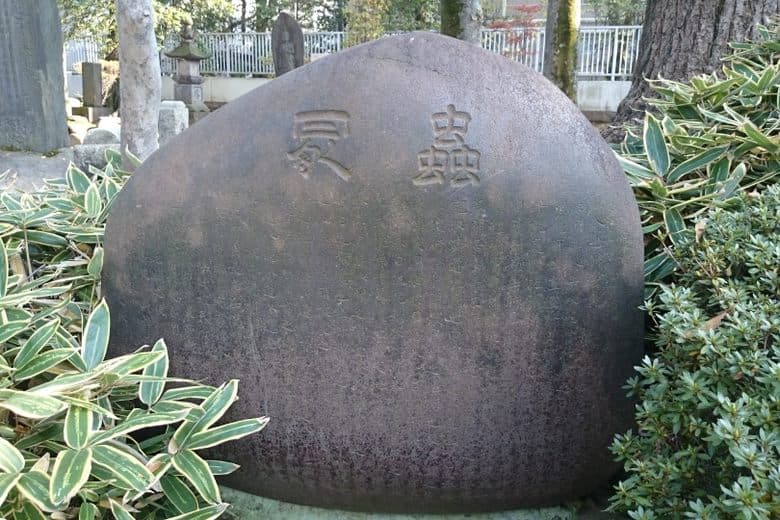
Mushizuka, located within the quiet grounds of Kan'ei-ji Temple near Ueno Park, is a unique stone monument dedicated to insects sacrificed for scientific study in the 19th century. Visitors find it a peaceful, reflective spot, offering a glimpse into a lesser-known aspect of Japanese cultural history and respect for all living things.
Attraction
Kastori Bookstore
Kastori Bookstore
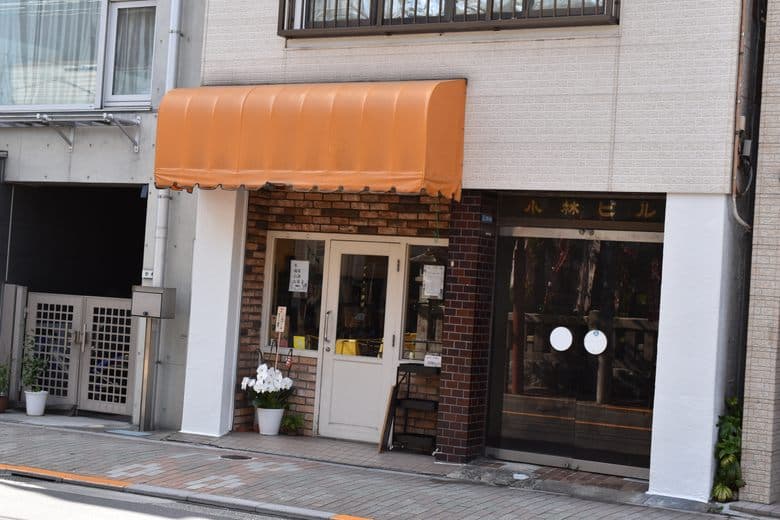
Kastori Bookstore is a unique independent publisher and bookshop in Tokyo's historic Senzoku neighborhood, specializing in the untold histories of Japanese red-light districts and niche cultural topics from the Shōwa era. Visitors can browse its self-published works and explore an active archive, offering a deep dive into a specific facet of Japanese culture.
Attraction
Jisshi Park
Jisshi Park
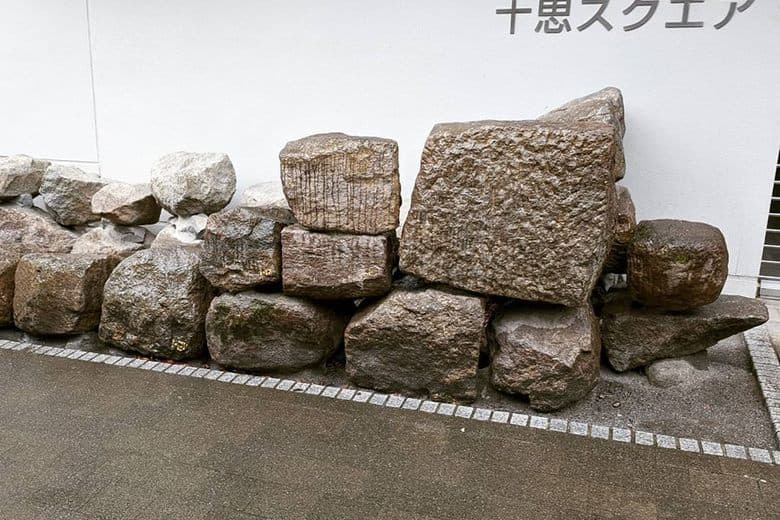
Jisshi Park offers a quiet green space in Tokyo, subtly hinting at its dark past as the Edo-era Denma-chō Prison and execution ground. Visitors can see remnants of the prison wall, a monument to Yoshida Shōin, and an Edo-period bronze bell, providing a contemplative experience rather than a grand attraction.
Attraction
Kimi-Chan
Kimi-Chan
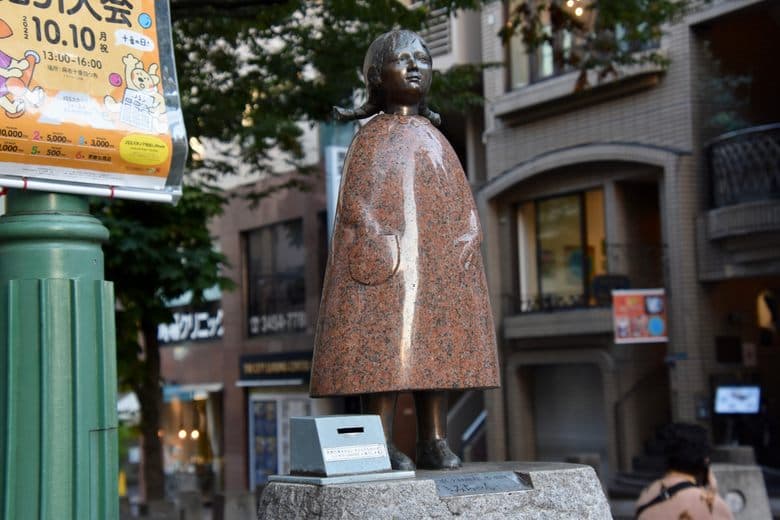
The Kimi-Chan sculpture in Tokyo's Azabu-Jūban district commemorates a young girl whose tragic backstory is believed to have inspired the popular, bittersweet Japanese children's song "The Red Shoes." While its historical accuracy is debated, the statue serves as a poignant reminder of a touching tale.
Attraction
Museum of Kites
Museum of Kites
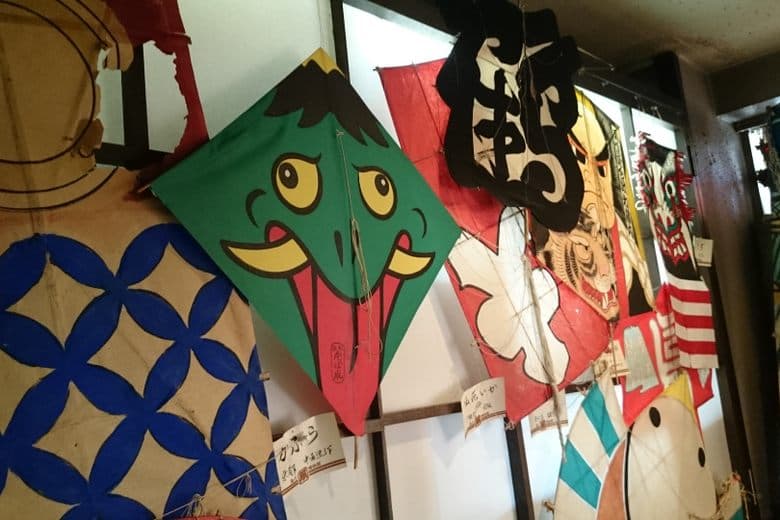
Tucked away on the fifth floor above a famous restaurant in Tokyo's bustling Nihonbashi district, the Museum of Kites offers a surprisingly extensive collection of traditional and modern kites. Visitors can explore thousands of kites, from tiny box kites to large replicas, showcasing diverse designs and materials from Japan and around the world.
Attraction
Shirahatazuka Shiseki Park
Shirahatazuka Shiseki Park
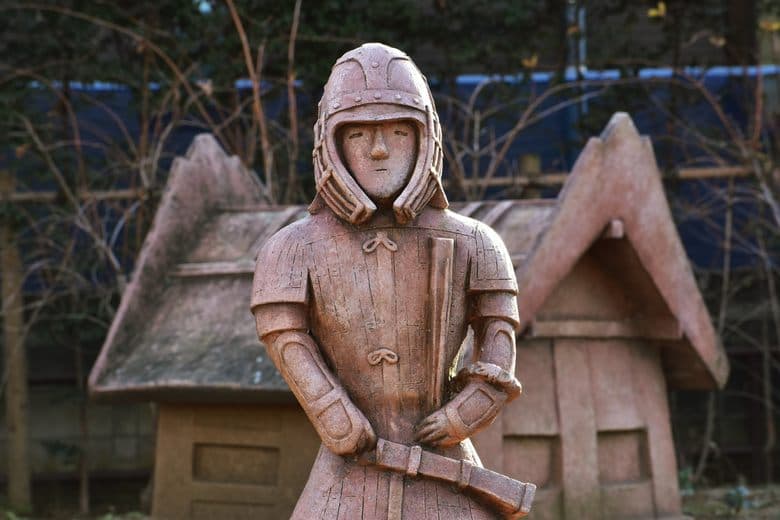
Shirahatazuka Shiseki Park offers a glimpse into ancient Japan with its 6th-century kofun (megalithic tomb) and haniwa statue replicas. While not a major tourist draw, it provides a quiet, educational experience for those interested in historical artifacts and local lore, nestled within a residential area.
Attraction
Oiteke Bori
Oiteke Bori
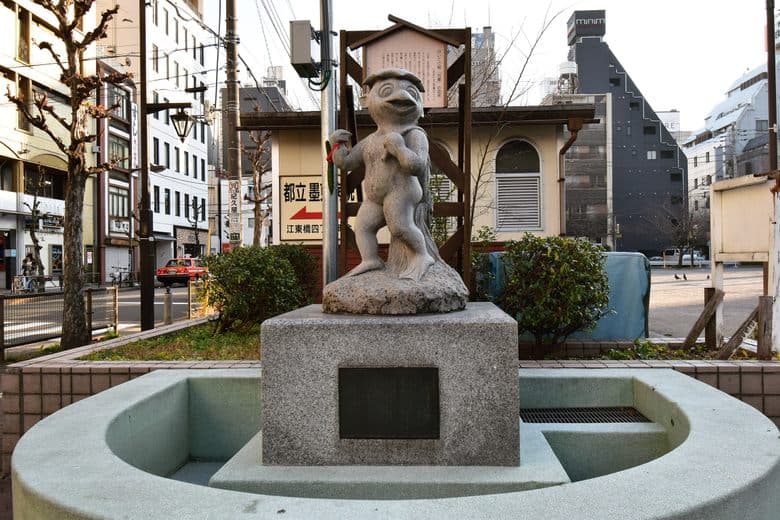
Oiteke Bori commemorates a 19th-century Japanese urban legend about a haunted canal and a mysterious voice demanding fish. Visitors can find a kappa statue in Kinshibori Park and another monument nearby, both linked to this intriguing tale.
Attraction
NINJA+KABUKI TOKYO
NINJA+KABUKI TOKYO
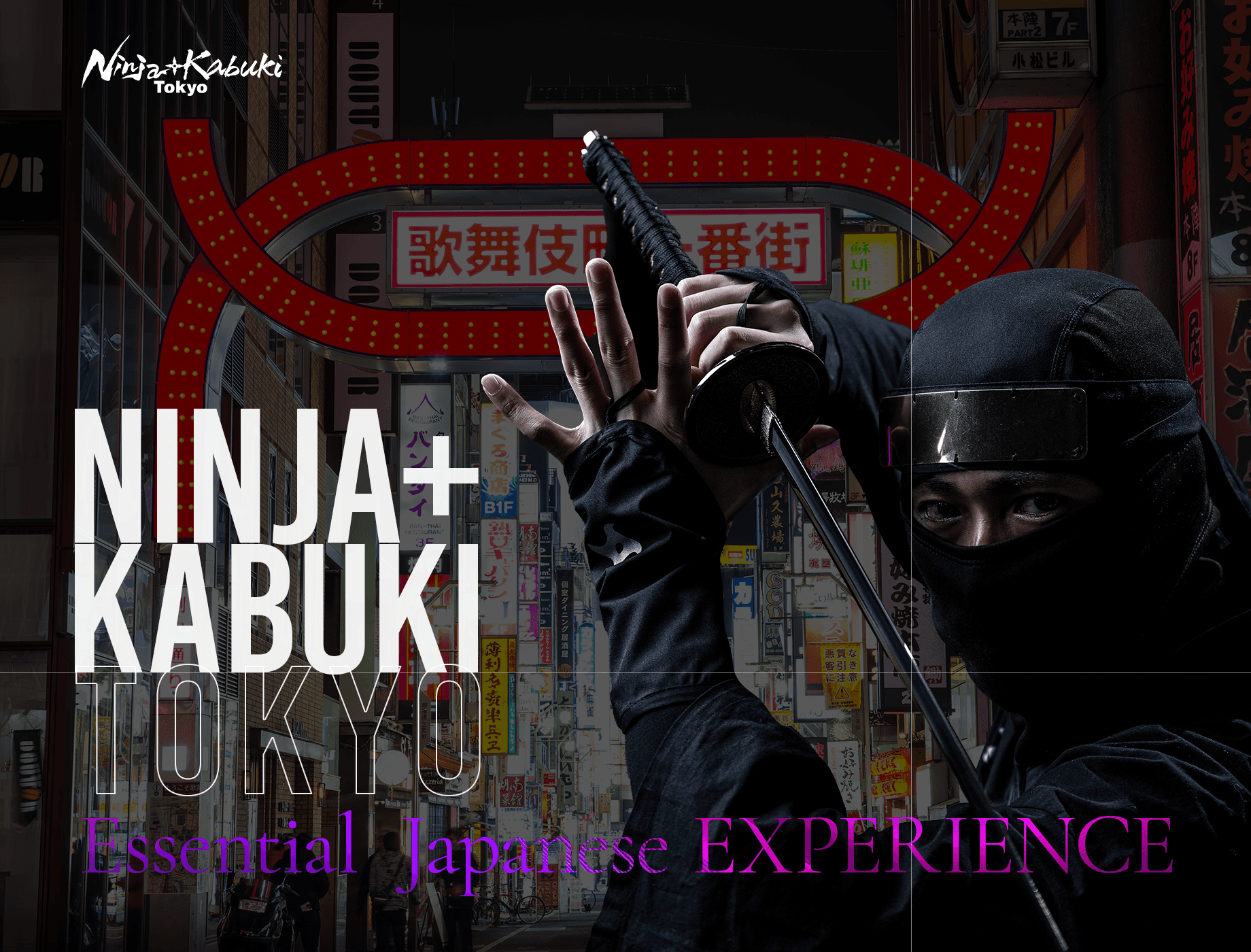
NINJA+KABUKI TOKYO offers a non-verbal live performance combining ninja, oiran, and wadaiko themes with Kabuki-style techniques. Located in Shinjuku's Kabukicho, it aims to provide an interactive and entertaining experience, though visitors' opinions on its authenticity and overall quality are divided.