Attractions — Tokyo
Attraction
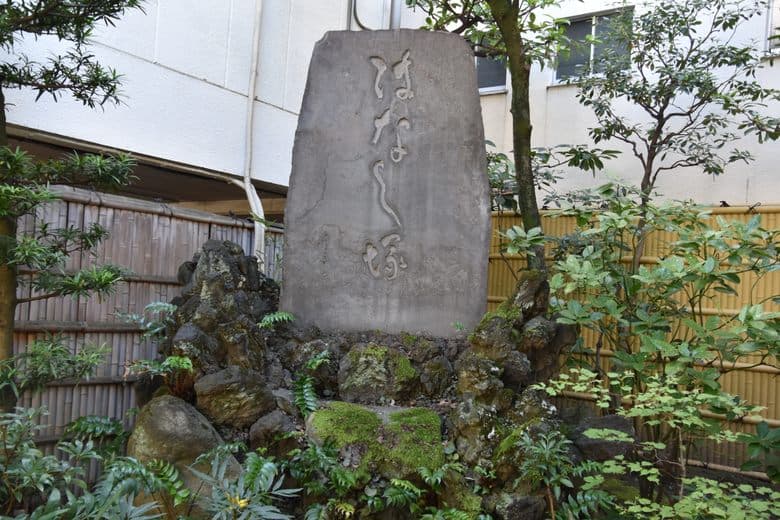
Hanashi Zuka (Grave of Censored Stories)
Hanashi Zuka (Grave of Censored Stories)
Hanashi Zuka, or the "Grave of Censored Stories," is a unique memorial at Honpō-ji Temple in Tokyo, commemorating 53 rakugo stories banned during World War II. It serves as a quiet reminder of artistic freedom and historical censorship, offering a brief, contemplative stop for those interested in Japanese cultural history.
Attraction
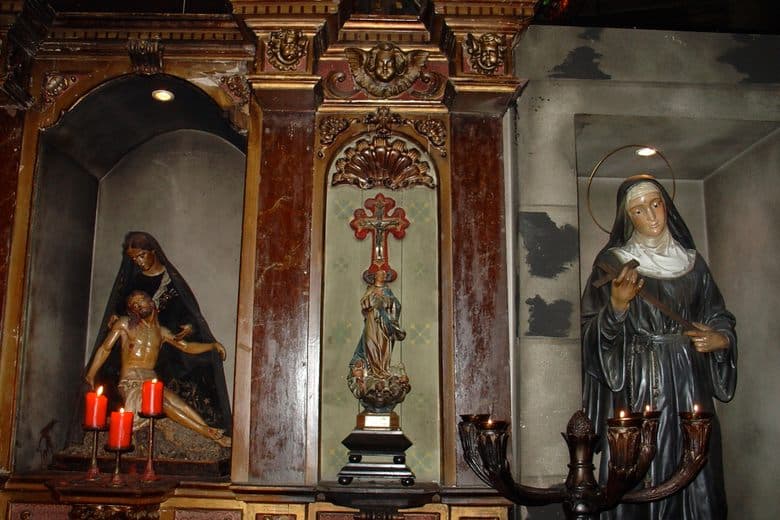
Christon Café
Christon Café · Christon Cafe 東京 · Christon Cafe 東京
Christon Café offers a unique dining experience in Tokyo, immersing guests in a medieval Catholicism-themed environment complete with vaulted ceilings, stained glass, and religious artifacts. It's known for its gothic ambiance and themed cocktails, attracting visitors looking for an unconventional night out.
Attraction
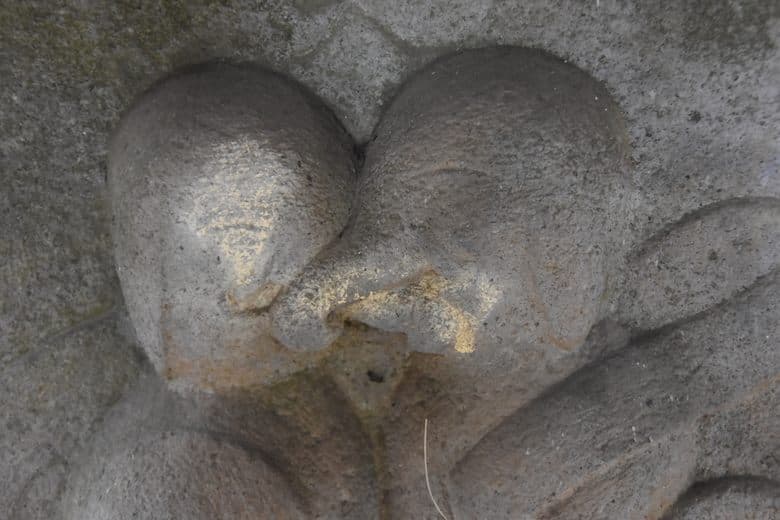
Embracing Kangiten of Torimi Shrine
Embracing Kangiten of Torimi Shrine
Torimi Shrine in Shiroi offers a rare public viewing of the Embracing Kangiten, an elephant-headed deity often kept hidden due to its sensual depiction. This 18th-century stone effigy provides a unique glimpse into a less commonly seen aspect of Japanese Buddhist iconography, appealing to those interested in esoteric religious art.
Attraction
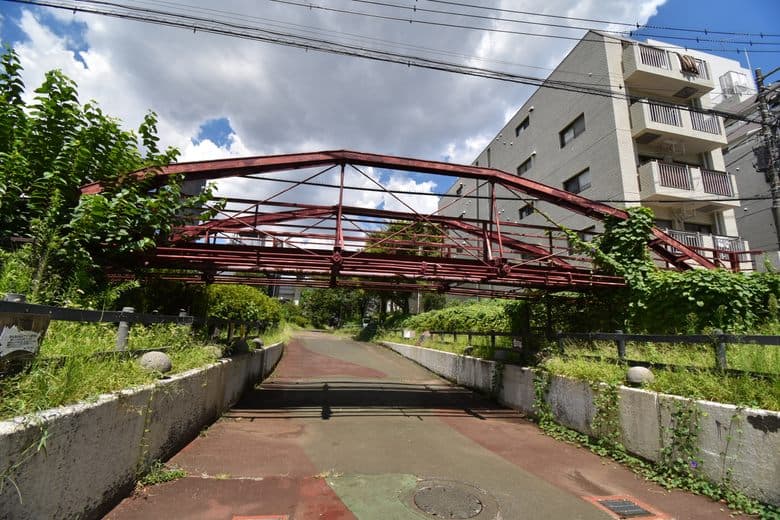
Hachiman Bridge
Hachiman Bridge
Hachiman Bridge, originally known as Danjo Bridge, holds the distinction of being Japan's oldest iron bridge. Relocated and repurposed, it now stands as a historical monument over a pedestrian path in the Fukagawa area, offering a glimpse into Japan's early Westernization.
Attraction
Gold Bug Guardian Statue
Gold Bug Guardian Statue
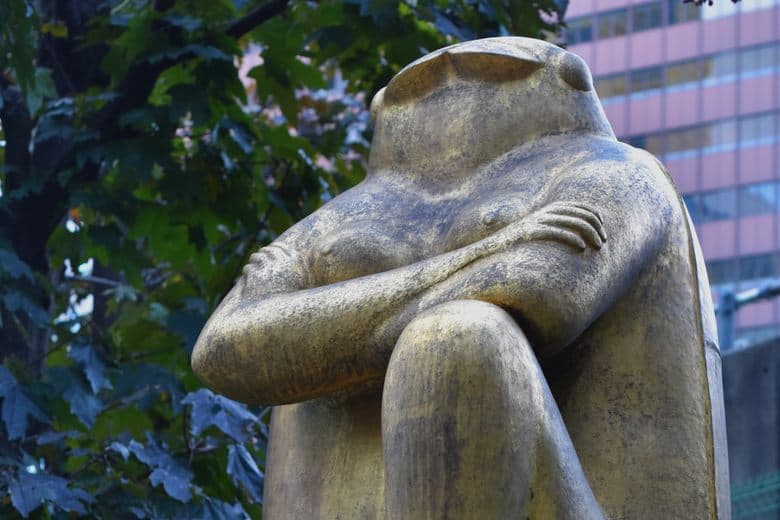
The Gold Bug Guardian Statue in Chiyoda City is an enigmatic golden sculpture, often described as a cross between a human and an insect. Donated in 1991, its unusual appearance and unpronounceable name make it a curious, if minor, urban landmark that sparks debate and amusement among passersby.
Attraction
Cocolia Tama Center
Cocolia Tama Center
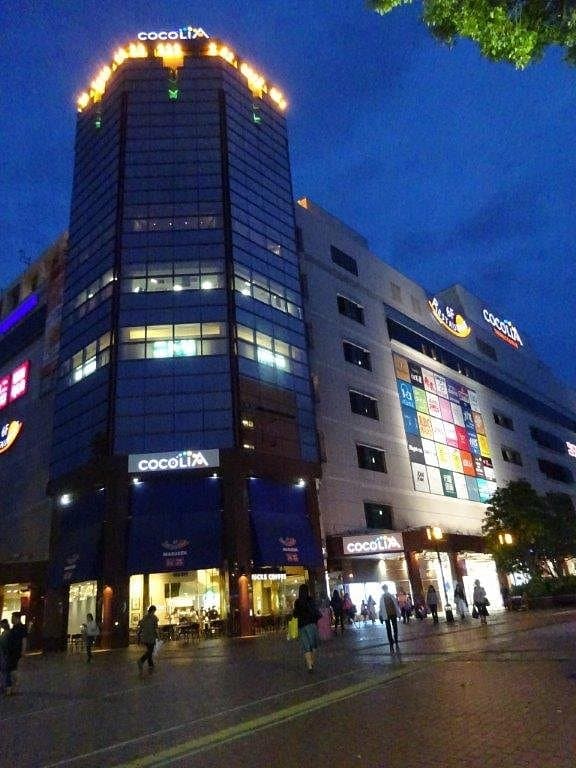
Cocolia Tama Center is a modern shopping mall offering a range of stores from daily necessities to boutiques, along with dining options. It's particularly noted by visitors for its festive holiday decorations, which are free to enjoy.
Attraction
Ghost Buddha
Ghost Buddha
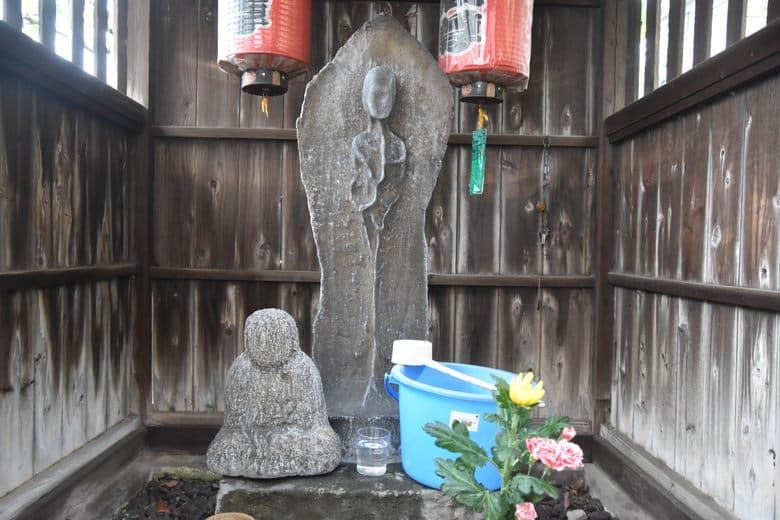
The Ghost Buddha at Kōfuku-ji Temple is a mysteriously disfigured Jizō statue, whose skeletal appearance has earned it its spectral nickname. Its origins and the cause of its unique form are unknown, even to the temple priests, making it a local enigma.
Attraction
Shirahige-Higashi Firewall Apartment Complex
Shirahige-Higashi Firewall Apartment Complex
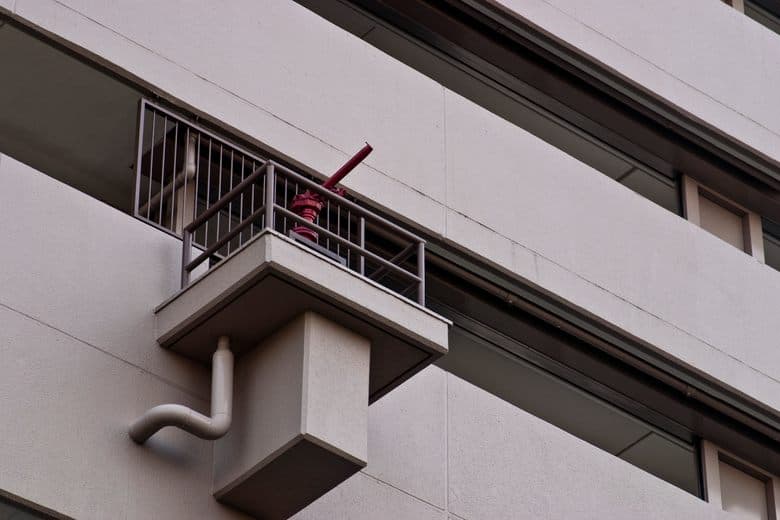
The Shirahige-Higashi Firewall Apartment Complex in Tokyo's Sumida Ward is a unique example of disaster-resistant urban planning. These massive concrete buildings, equipped with rolling steel shutters and fire cannons, were designed to act as a firebreak and evacuation shelter for up to 100,000 people in the event of a major fire or earthquake.
Attraction
Gas Museum
Gas Museum
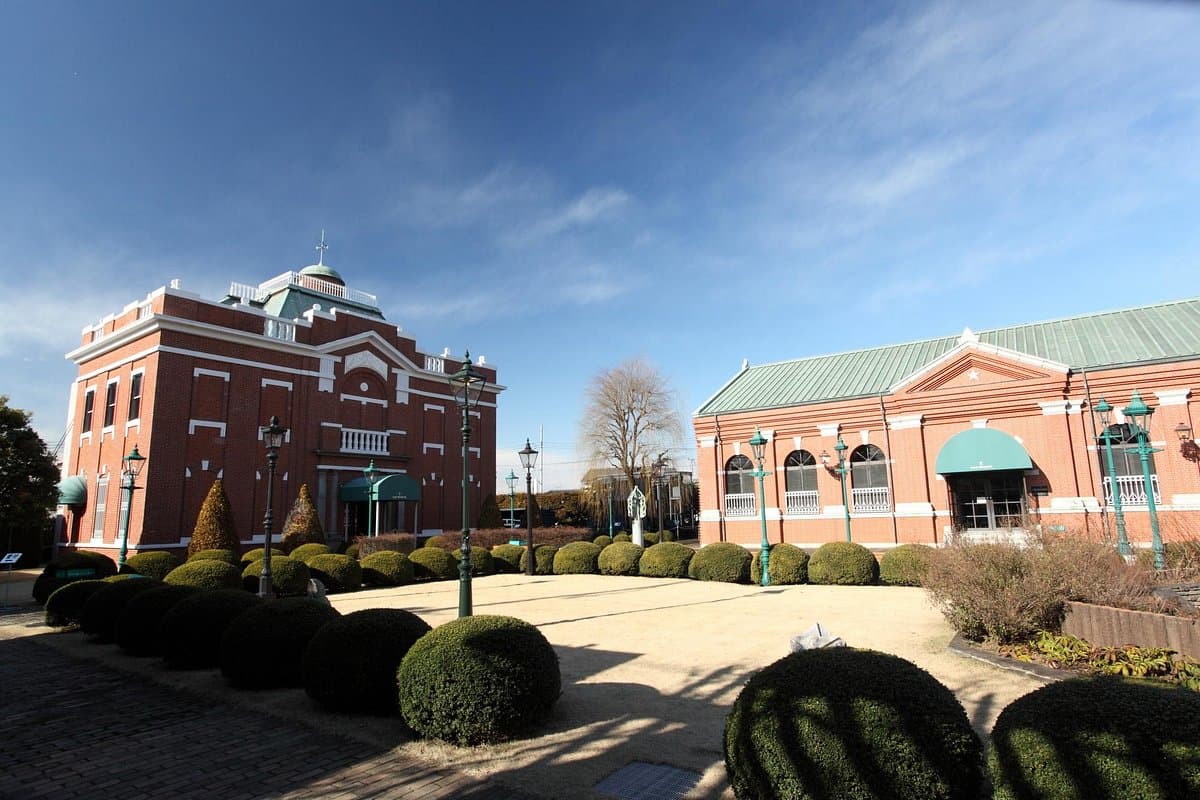
The Gas Museum in Kodaira offers a unique glimpse into Japan's gas industry history, housed within two beautifully preserved Meiji-era buildings. Visitors can explore exhibits on gas production and its societal impact, often enjoying the tranquil garden setting.
Attraction
Hitotsubashi University Kunitachi Campus
Hitotsubashi University Kunitachi Campus
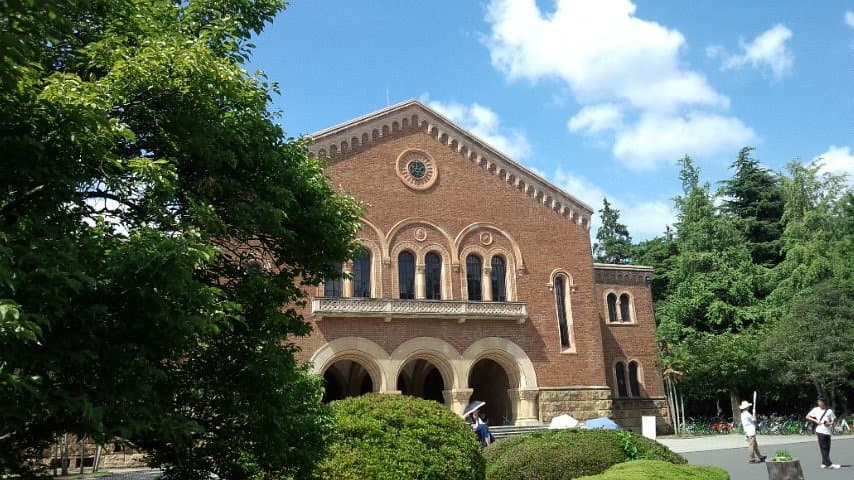
Hitotsubashi University's Kunitachi Campus offers a glimpse into Japan's academic heritage with its historic buildings and tree-lined avenues. Visitors can enjoy a peaceful stroll through the grounds, appreciating the architecture and the serene atmosphere.
Attraction
'Coicorin'
'Coicorin'
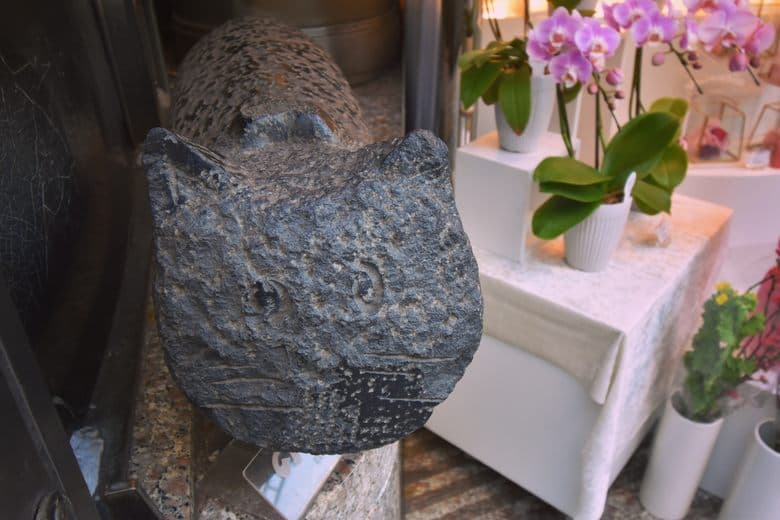
Coicorin features two granite cat sculptures in Ginza, known for their wish-granting powers, particularly in matters of love. Visitors interact with the statues by petting them in specific ways to manifest their desires, making it a unique cultural curiosity.
Attraction
Chirori the Therapy Dog
Chirori the Therapy Dog
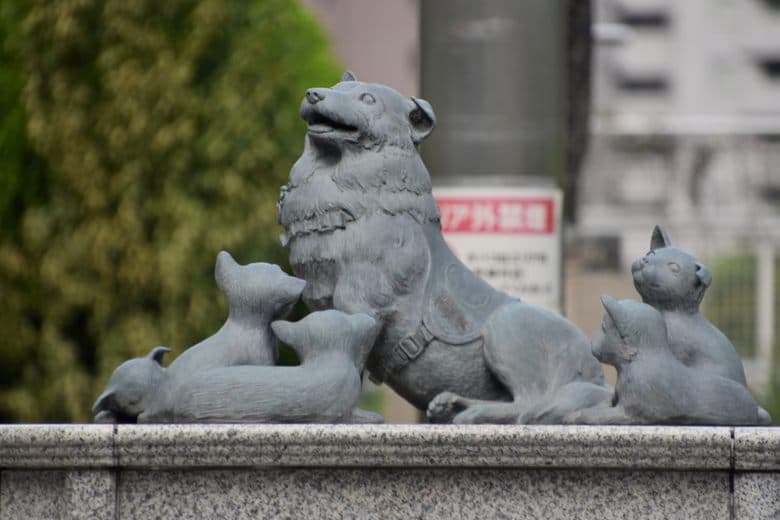
This touching bronze sculpture in Tsukijigawa-Ginza Park commemorates Chirori, Japan's first certified therapy dog, and her puppies. It tells a unique story of resilience and pioneering welfare work, offering a quiet moment of reflection amidst Tokyo's bustling cityscape.
Attraction
Tone Canal Billiken Shrine
Tone Canal Billiken Shrine
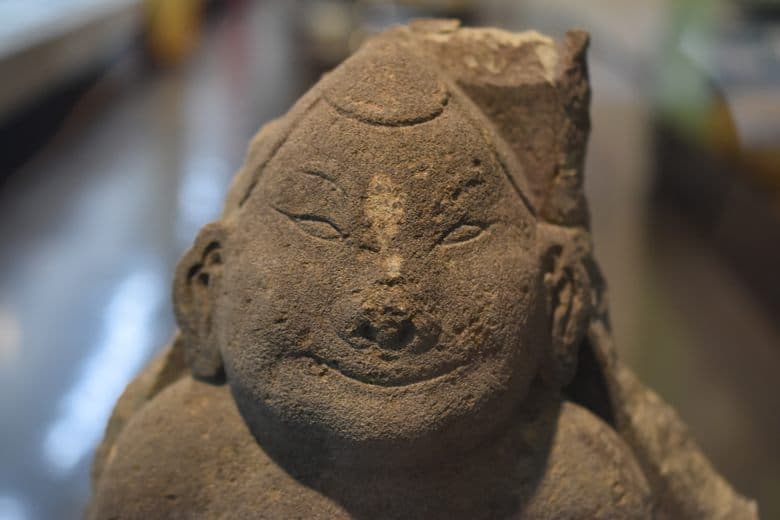
The Tone Canal Billiken Shrine offers a quirky cultural experience, housing a tin statue of Billiken, an American mascot turned Japanese lucky god. Visitors can rub its feet for good fortune, a tradition rooted in its surprising history. For a deeper dive, the original statue is displayed at the Nagareyama City Museum.
Attraction
Sugawara Shrine
Sugawara Shrine
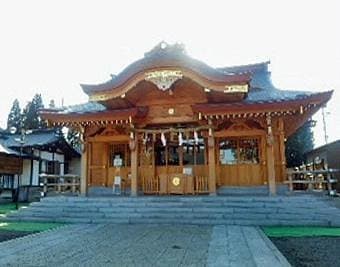
Sugawara Shrine offers a peaceful retreat for those in Machida, providing a glimpse into local spiritual life. Visitors can enjoy a quiet walk to and around the shrine, which is primarily frequented by residents rather than international tourists.

Attraction
Basho Memorial Statue
Basho Memorial Statue
The Basho Memorial Statue commemorates Matsuo Bashō, one of Japan's greatest haiku poets, at the site where he is believed to have penned his famous 'frog' poem. Located within the Bashō Heritage Garden, the statue uniquely rotates to face the Sumida River after sunset, offering a subtle nod to his connection with the waterway.
Attraction
Daihigan-ji Temple
Daihigan-ji Temple
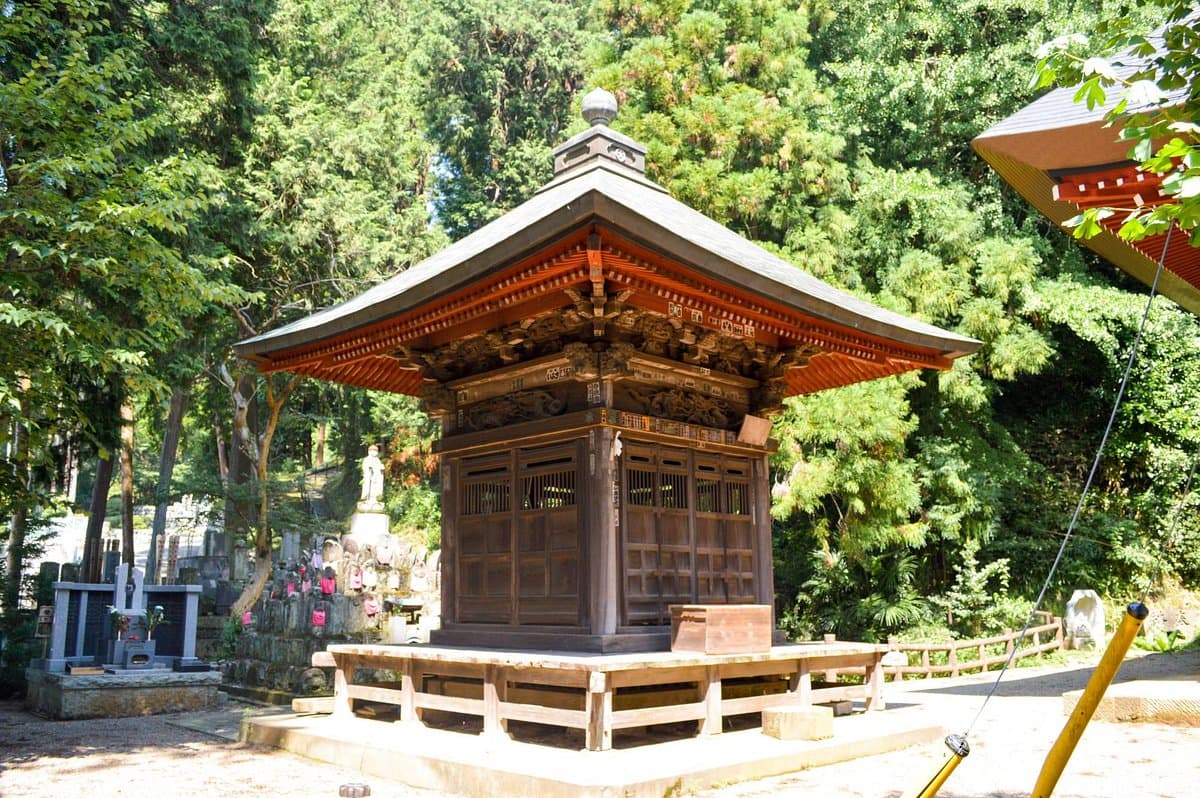
Daihigan-ji Temple offers a tranquil escape from the city, known for its serene grounds and the impressive wooden statue of Kannon. Visitors appreciate its quiet ambiance, making it a suitable spot for a brief, reflective stop if you are in the Akiruno area.
Attraction
Shitamachi Museum
Shitamachi Museum
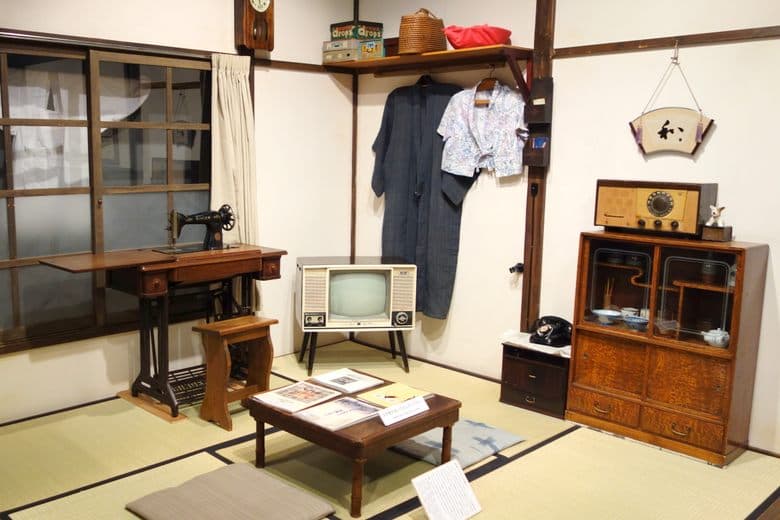
The Shitamachi Museum provides a unique glimpse into the daily life of Tokyo's working-class residents during the Taishō period, showcasing replica homes, artifacts, and traditional toys. It offers a historical perspective on a distinct cultural region often overlooked in modern Tokyo. However, please note the museum is currently closed for renovations until 2025.
Attraction
Ricoh
Ricoh · Ricoh · Ricoh
The cylindrical Ricoh Tower (under reconstruction until 2025).
Attraction
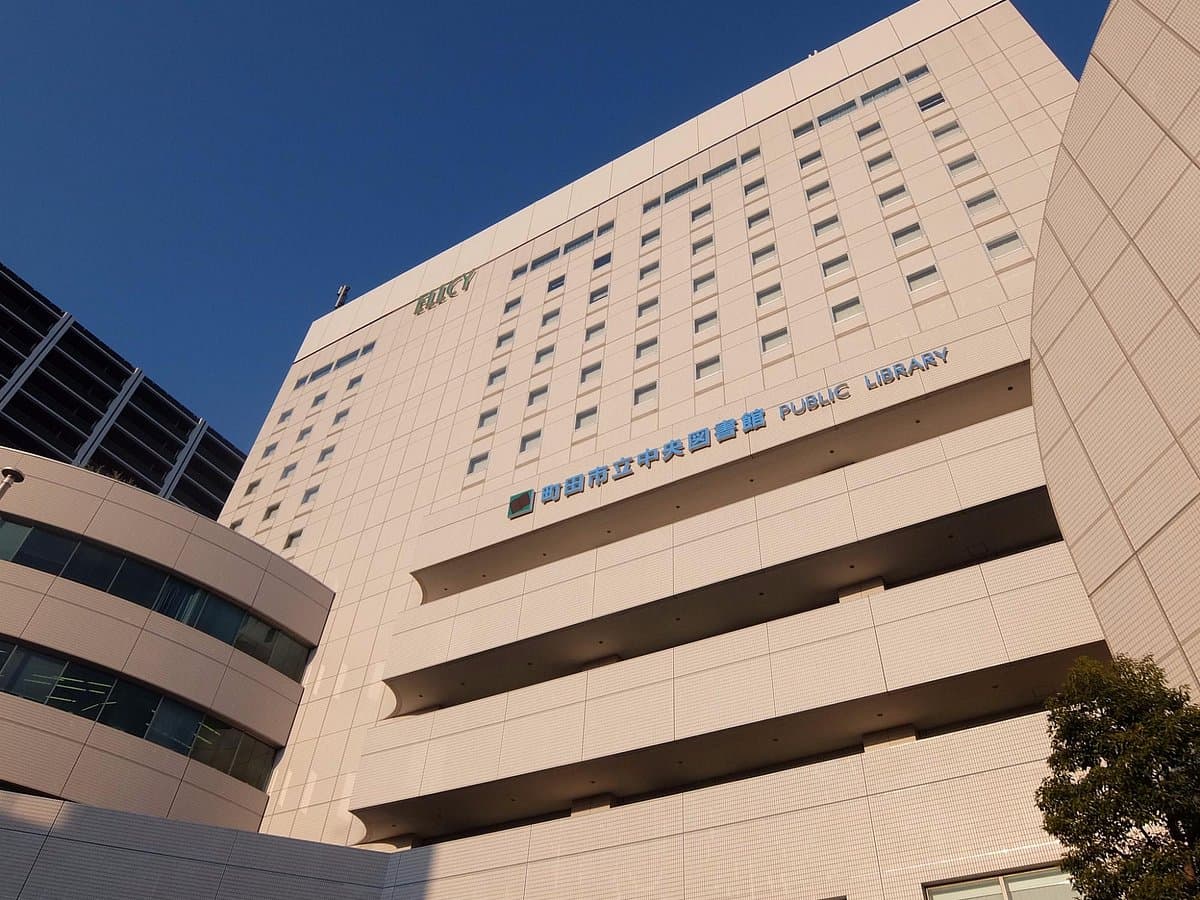
Machida Central Library
Machida Central Library
Machida Central Library serves as a local public library, offering a quiet environment for reading and study. While appreciated by residents for its resources and tranquility, it is not typically considered a tourist destination. Visitors should be aware of its specific closing days before planning a visit.
Attraction
Kiyomizu Kannon‑do Pavilion
Kiyomizu Kannon‑do Pavilion · 清水観音堂 · Kiyomizu Kannon-dō
This pavilion is famous for its “moon pine”. In Japanese culture, observing nature is important — examples are hanami (cherry‑blossom viewing) and momiji (autumn maple viewing). Another tradition is tsukimi, the autumn festival for viewing the full moon. One branch of the “moon pine” is bent into a circular shape through which the full moon can be admired especially beautifully. The original tree died in the 20th century and was immortalized in Hiroshige’s famous series ‘One Hundred Famous Views of Edo’. In 2012 it was replaced by a new “moon pine”.