Attractions — Tokyo
Attraction
Nishinoshima
Nishinoshima
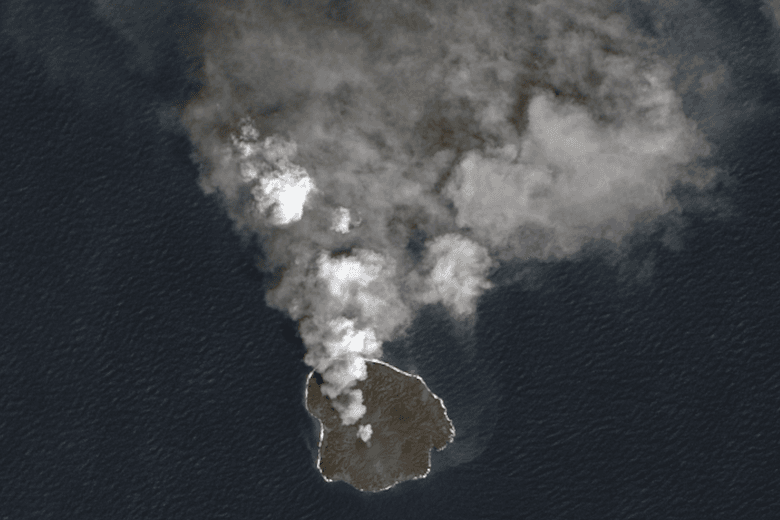
Nishinoshima is a remote, actively growing volcanic island in the Pacific Ocean, southeast of Tokyo. It's a site of continuous geological change, with new land masses forming and merging over decades, making it a unique natural wonder studied by scientists.
Attraction
Mujinazuka at Kenshō-ji
Mujinazuka at Kenshō-ji
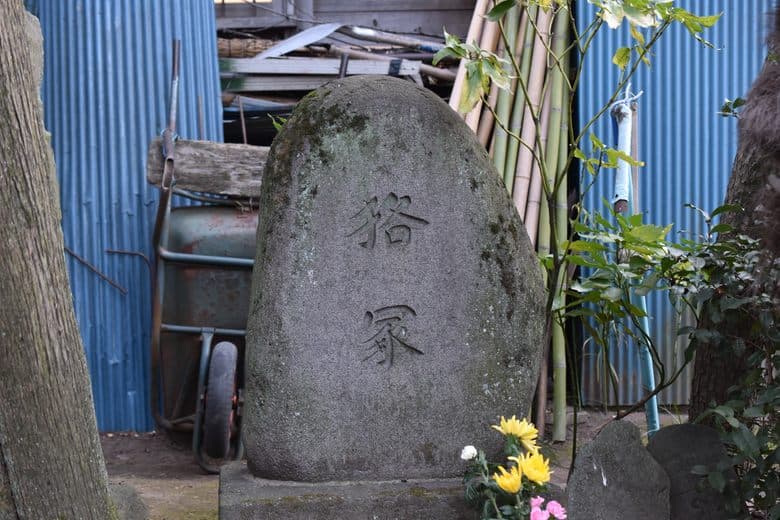
Mujinazuka at Kenshō-ji is a unique grave site dedicated to a tanuki, a supernatural raccoon dog, believed to be the phantom train of an old urban legend. Visitors can find this historical monument within the temple grounds, offering a glimpse into Japan's blend of folklore and early industrialization.
Attraction
Ohaguro Ditch Wall Ruins
Ohaguro Ditch Wall Ruins
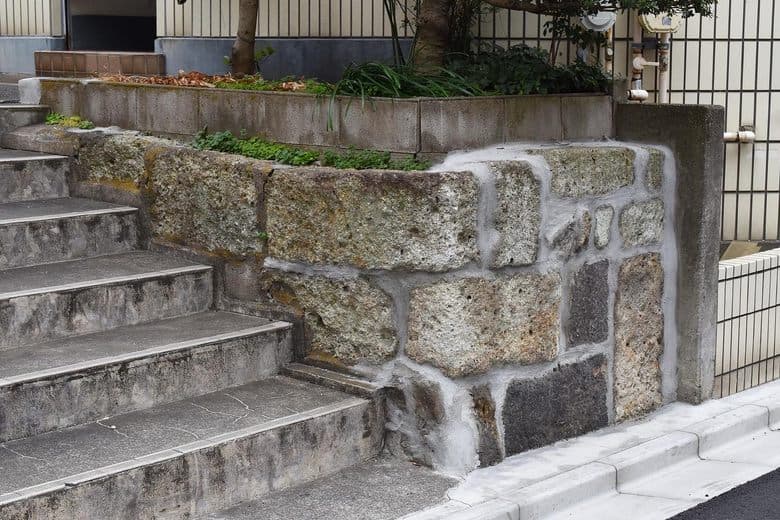
The Ohaguro Ditch Wall Ruins are the last physical remnants of Yoshiwara, Tokyo's infamous red-light district from the Edo period. These seemingly ordinary stone blocks mark the boundary of a moat that once enclosed the district, serving as a poignant, albeit subtle, reminder of a complex and often harsh history.
Attraction
Ishikawa Island Lighthouse
Ishikawa Island Lighthouse
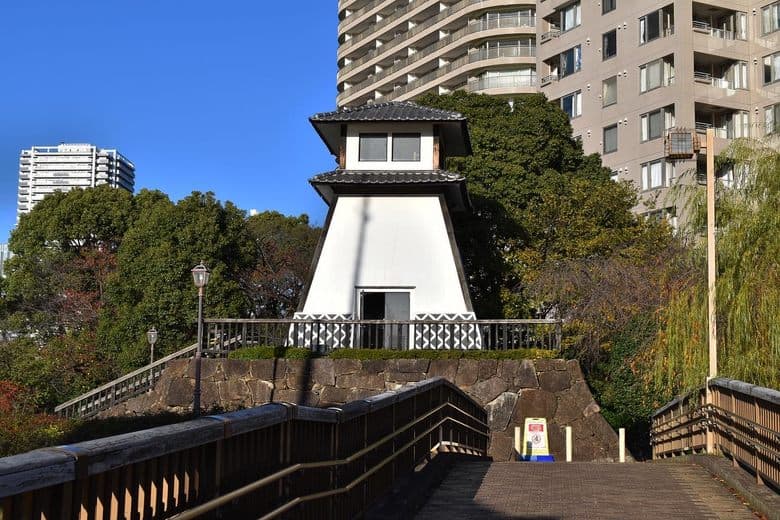
The Ishikawa Island Lighthouse is a unique monument in Tokyo's historic Tsukuda district, commemorating a 19th-century lighthouse. While appearing as a quaint historical structure, it surprisingly houses a public restroom, offering a blend of history and modern utility.
Attraction
Shakaden Reiyukai Temple
Shakaden Reiyukai Temple
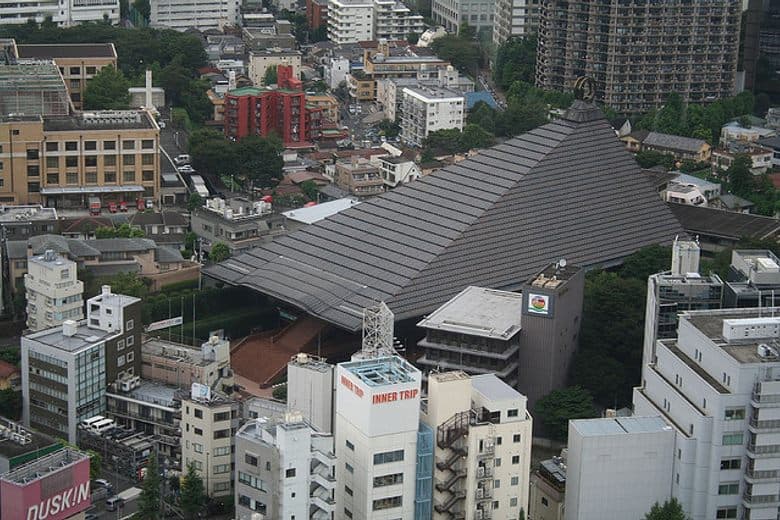
The Shakaden Reiyukai Temple stands out in Tokyo's skyline with its distinctive black, pyramidal architecture. While not a traditional Buddhist temple, it offers a glimpse into a modern Japanese religious movement, featuring an impressive wooden Buddha and even free Japanese lessons for visitors.
Attraction
Hyakuhironotaki Falls
Hyakuhironotaki Falls
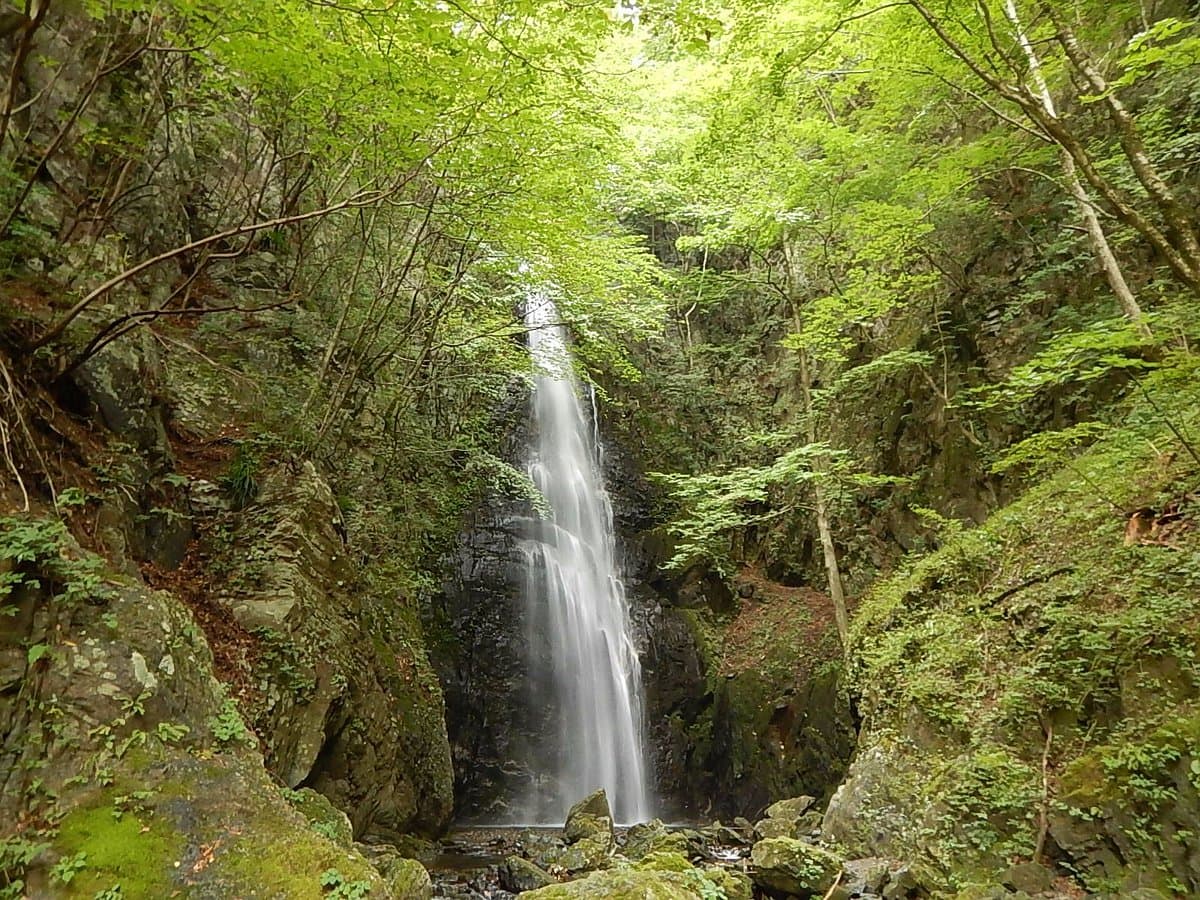
Hyakuhironotaki Falls offers a scenic, albeit challenging, hike through narrow valleys to a pleasant waterfall. Visitors should be prepared for steep terrain and ensure good balance, as the path is not suitable for children or those with mobility issues.
Attraction
Inari Soba Mansei
Inari Soba Mansei
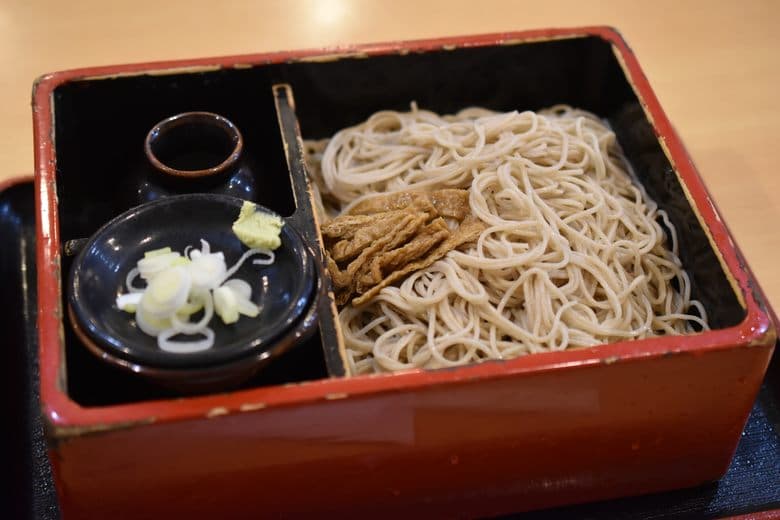
Inari Soba Mansei is a small, unassuming noodle shop in Tokyo's Koishikawa district, notable for its alleged 400-year history and connection to a local fox-monk legend. Visitors can experience a traditional, local soba meal, including the special 'hakosoba' with fried tofu, believed to be a favorite of foxes.
Attraction
Ikkoku Bridge Stone Marker for Lost Children
Ikkoku Bridge Stone Marker for Lost Children
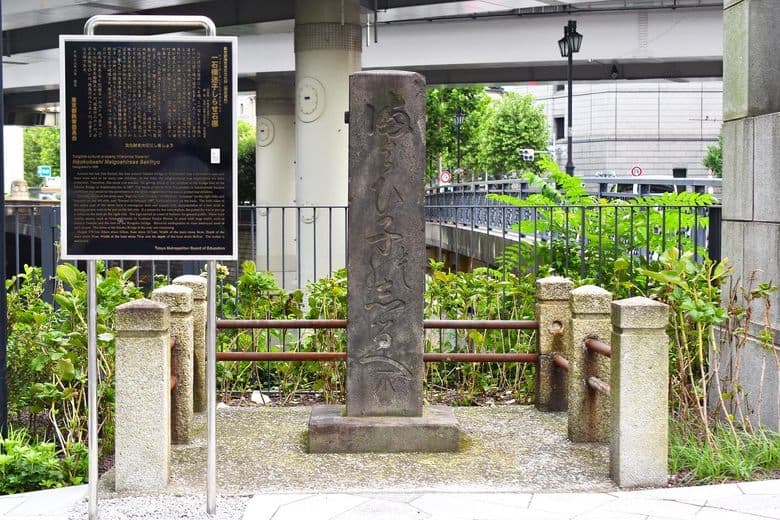
The Ikkoku Bridge Stone Marker for Lost Children is a small, historical monument from the Edo period, offering a poignant insight into how lost children were reunited with their families in a bustling, pre-modern Tokyo. It serves as a bulletin board where parents posted descriptions and found children were announced.
Attraction
Louis Vuitton Namikidori
Louis Vuitton Namikidori · Louis Vuitton Namikidori · Louis Vuitton Namikidori
An interesting pearlescent facade.
Attraction
Honeybee Drinking Fountain
Honeybee Drinking Fountain
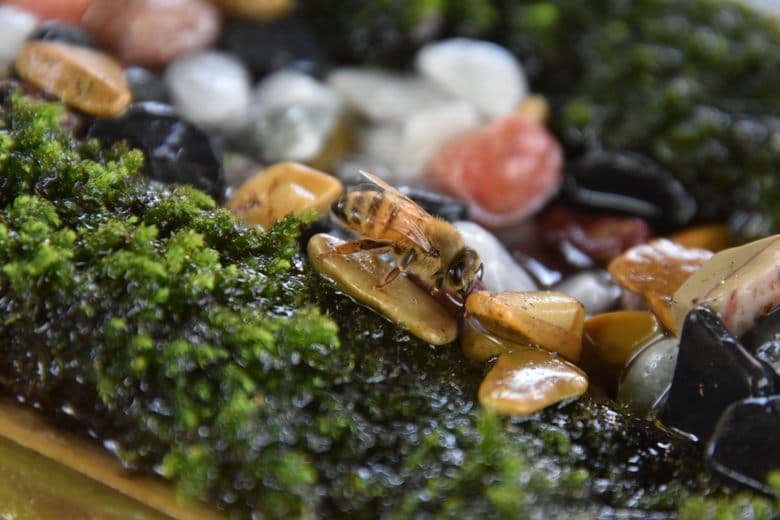
The Honeybee Drinking Fountain at Hitokotonushi Shrine is a small, seasonal installation designed to provide water for bees and wasps during the summer months. Visitors find it a surprisingly heartwarming and unique sight, showcasing a thoughtful gesture towards nature within a traditional shrine setting.
Attraction
Kyushirasutei Buaiso
Kyushirasutei Buaiso
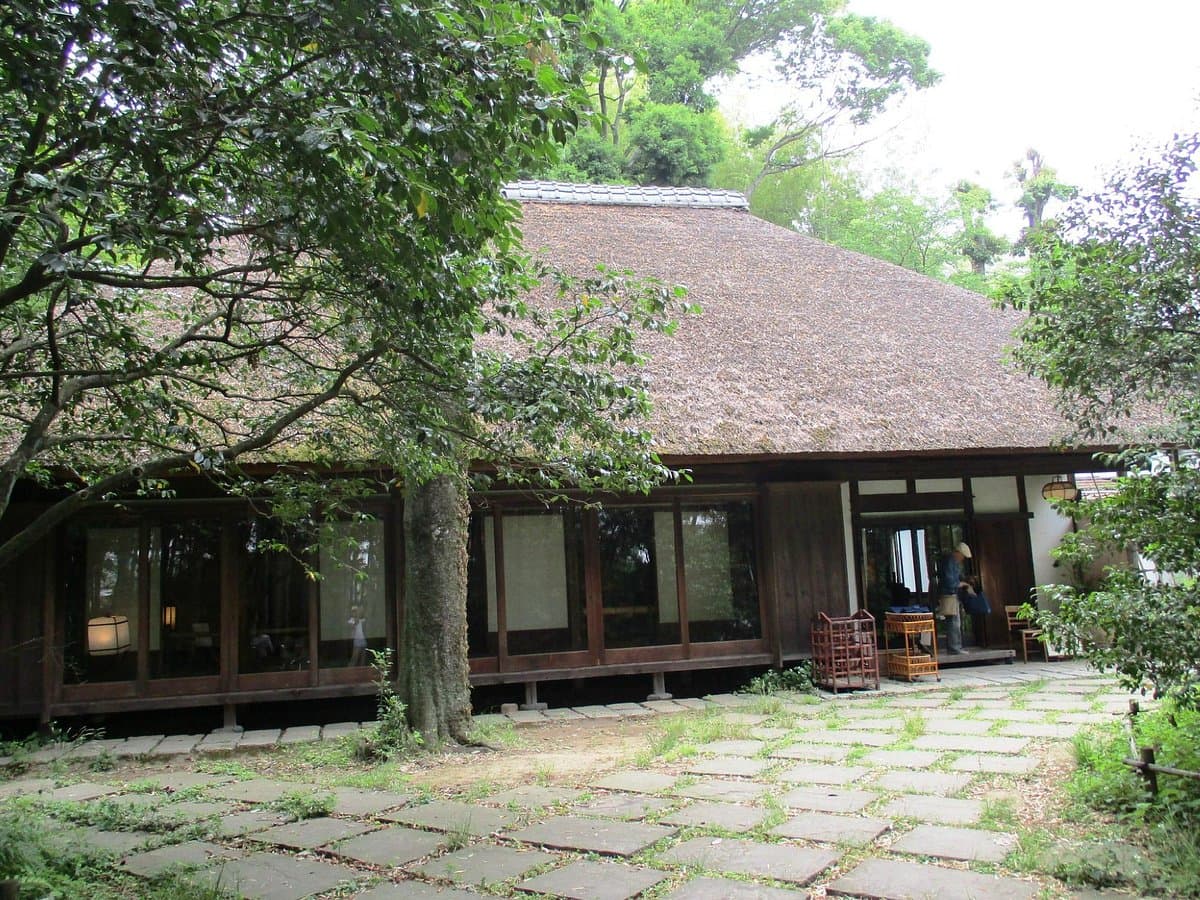
Kyushirasutei Buaiso is a historical Japanese home featuring traditional architecture, including a distinctive thatched roof. Visitors can explore the interior, though some find the entry fee high for the relatively short duration of the visit and note restrictions on photography.
Attraction
Yabo Tenmangu
Yabo Tenmangu
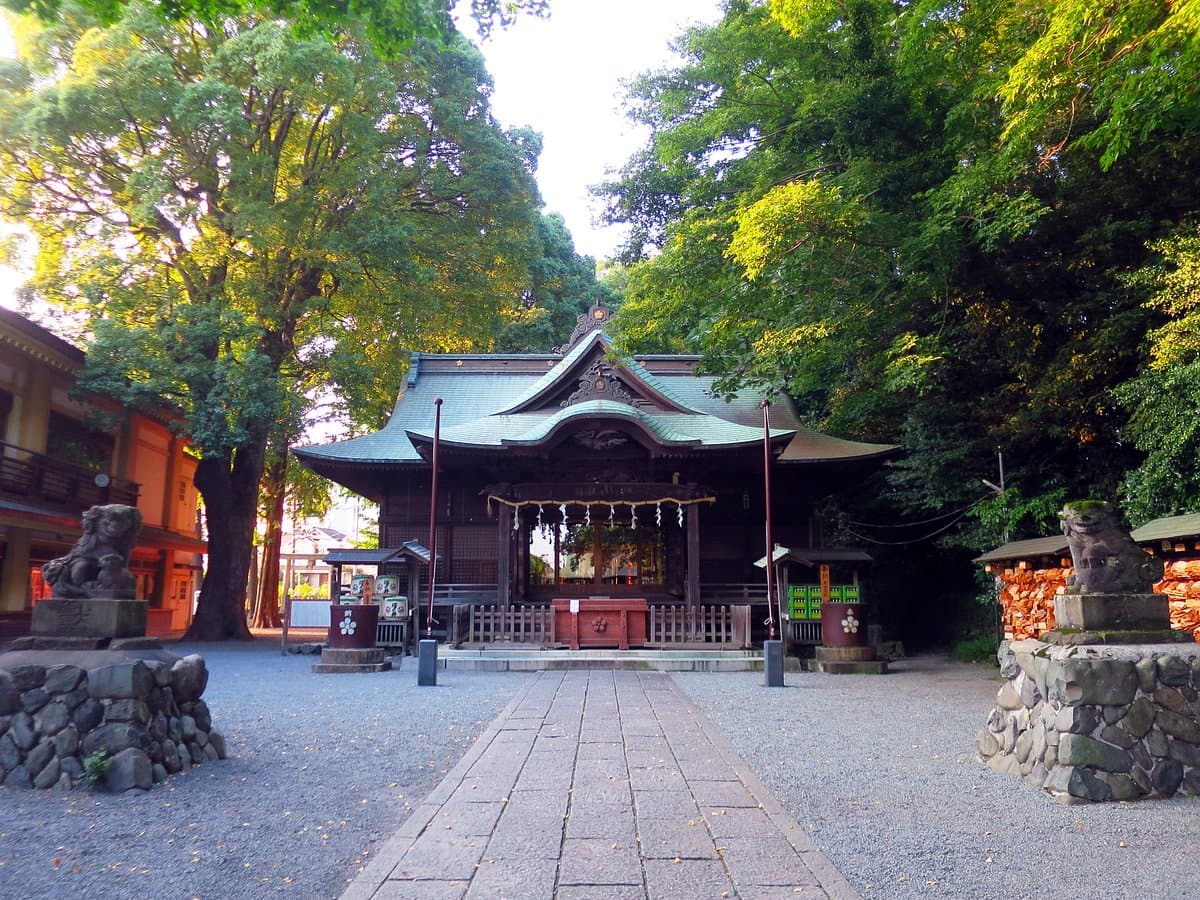
Yabo Tenmangu is a historic shrine dedicated to Sugawara no Michizane's third son, known for its tranquil setting amidst a residential area. Visitors can enjoy the peaceful grounds, the sound of leaves, and the presence of free-roaming chickens, especially during the plum blossom season in late February.
Attraction
Takamizu Sanzan
Takamizu Sanzan
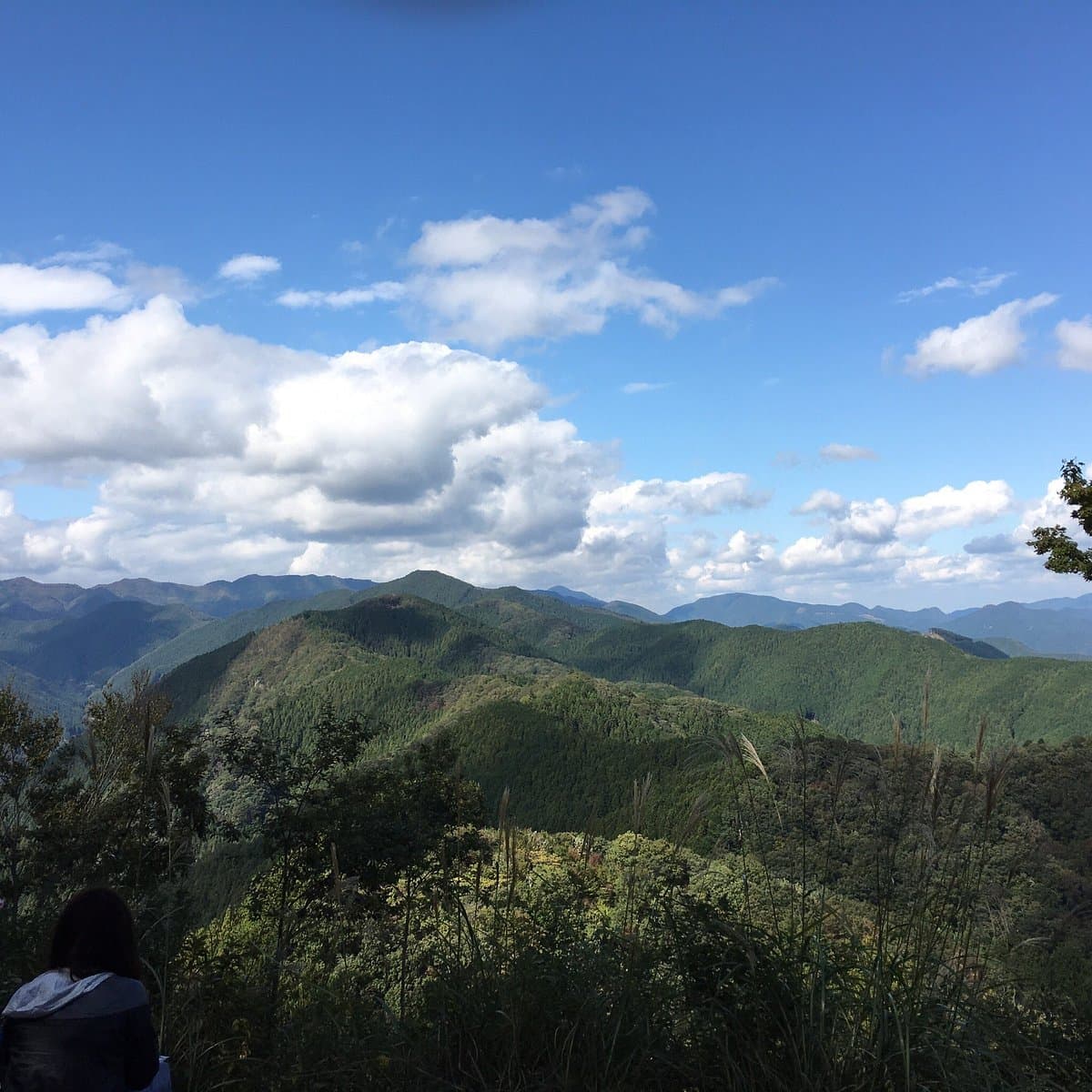
Takamizu Sanzan offers a tranquil escape into nature with a series of small shrines and temples nestled on a mountain. Visitors can enjoy a peaceful hike through the forest, discovering various religious structures and enjoying the quiet atmosphere away from city bustle.
Attraction
Horoku Inari Shrine
Horoku Inari Shrine
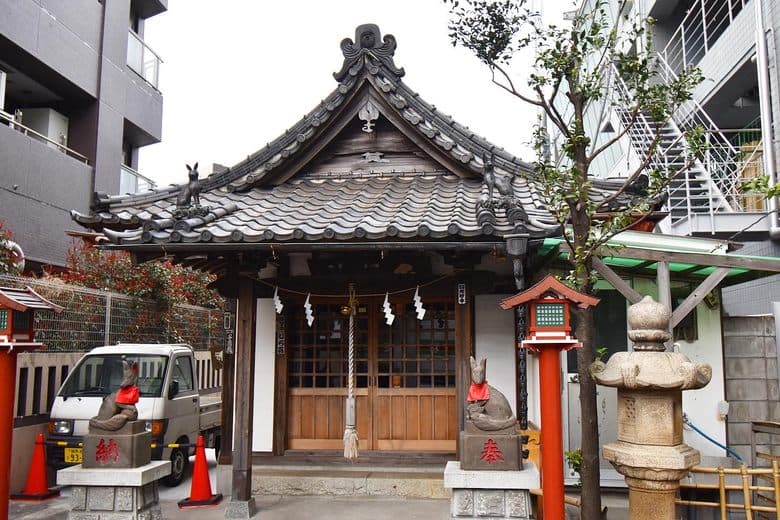
Horoku Inari Shrine is a small, unassuming roadside shrine in Shinjuku, Tokyo, known for its unique tradition of collecting losing lottery tickets. Visitors can witness or participate in this quirky ritual, hoping for better luck, and see the distinctive 'bunny-fox' statues.
Attraction
Sony Group Headquarters
Sony Group Headquarters · Sony Group Headquarters · Sony Group Headquarters
The headquarters of the Sony corporation.
Attraction
Bar The Church
Bar The Church
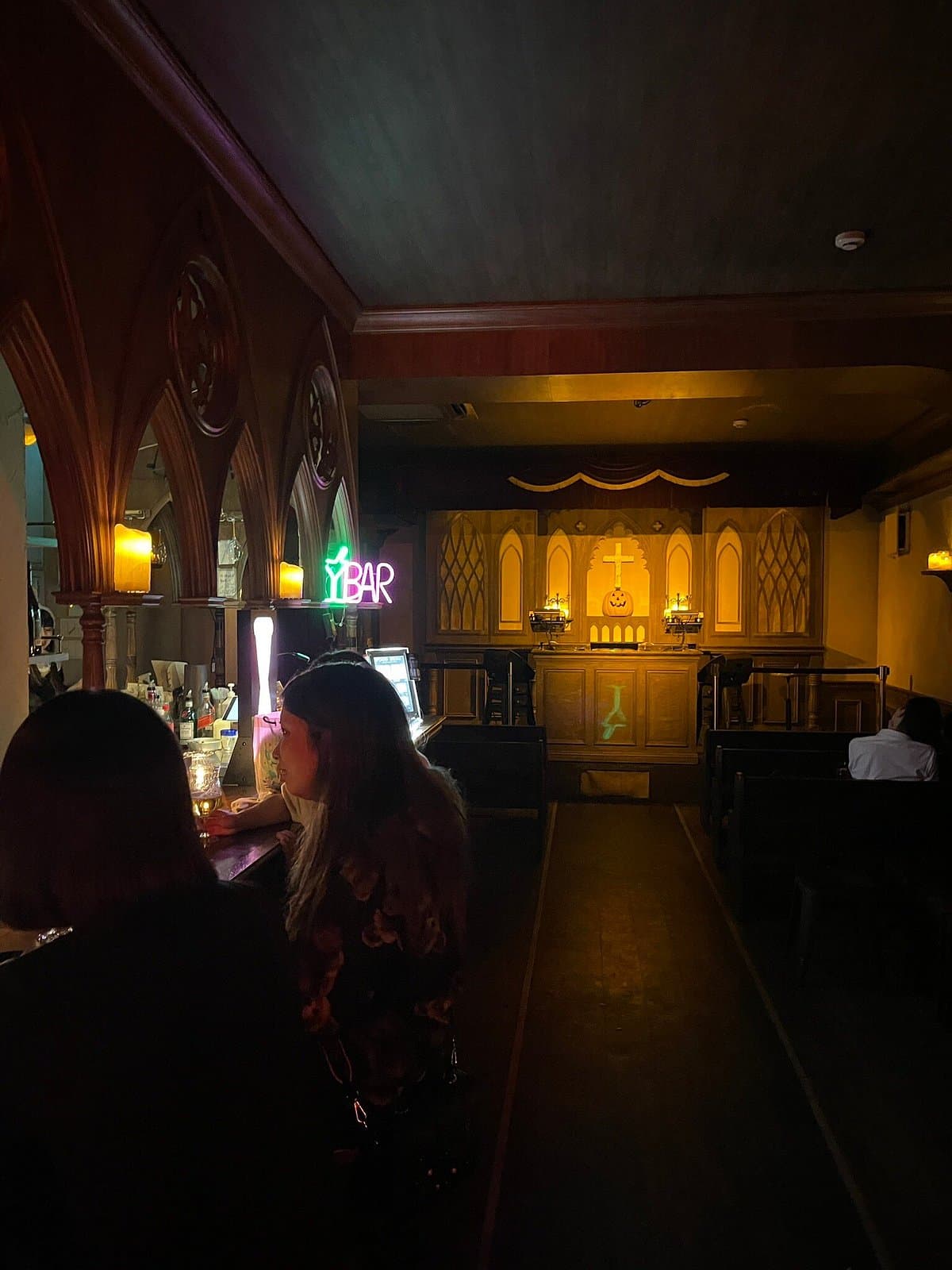
Bar The Church offers a distinctive 'church' theme in Shibuya, with staff dressed as nuns and pews for seating. Visitors can expect a unique atmosphere and diverse music, ranging from techno to rock and metal, making it a memorable spot for those looking for an unconventional night out.
Attraction
Parthenon Tama
Parthenon Tama
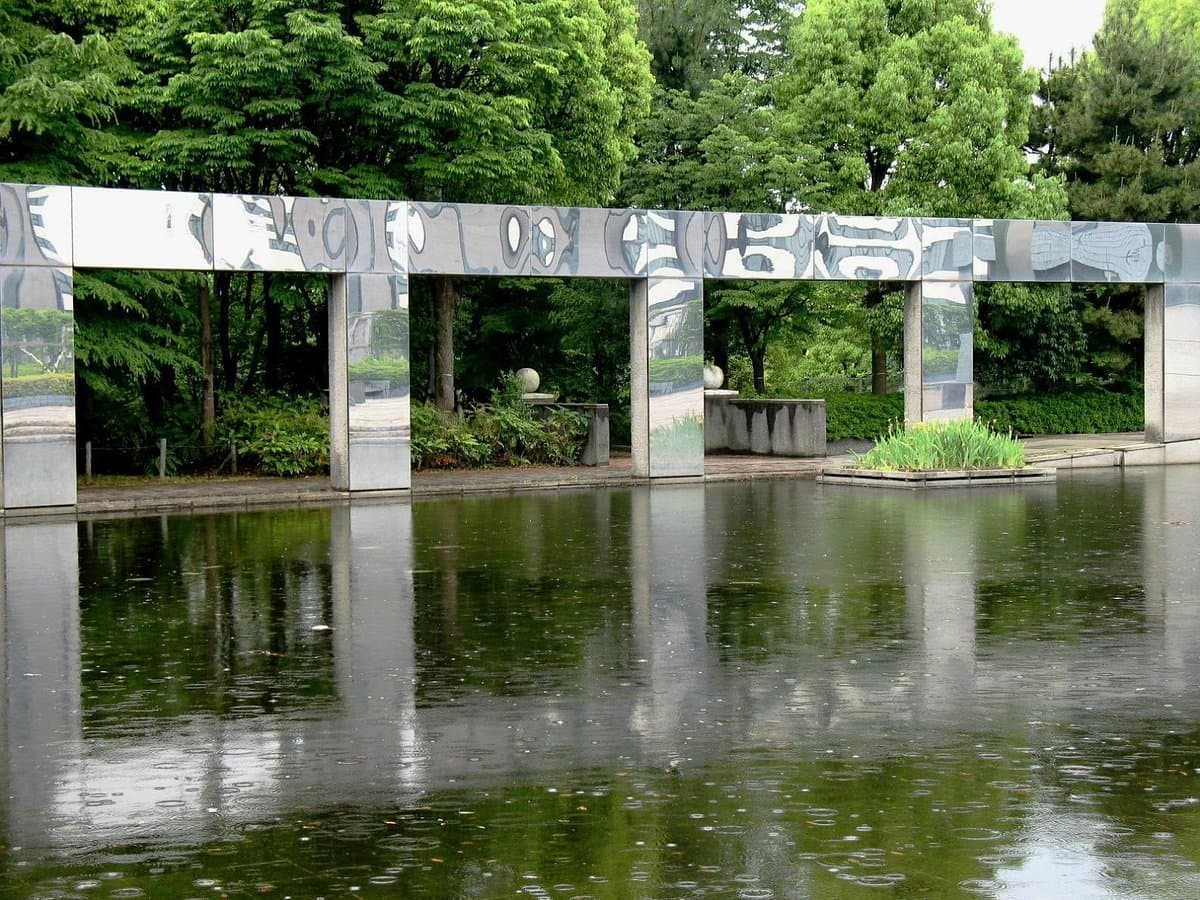
Parthenon Tama is a cultural venue in Tama, Tokyo, known for its distinctive architecture and as a hub for local events. Visitors describe it as a large facility with a concert hall, often noting the many steps leading to its main entrance.
Attraction
Oyamada Park
Oyamada Park
Oyamada Park offers a tranquil escape with its spacious grounds, walking paths, and seasonal flowers, particularly known for its hydrangeas. Visitors appreciate its family-friendly atmosphere and well-maintained facilities, making it a good spot for a relaxing stroll or picnic.
Attraction
Shiromaru Chosei-chi Dam
Shiromaru Chosei-chi Dam
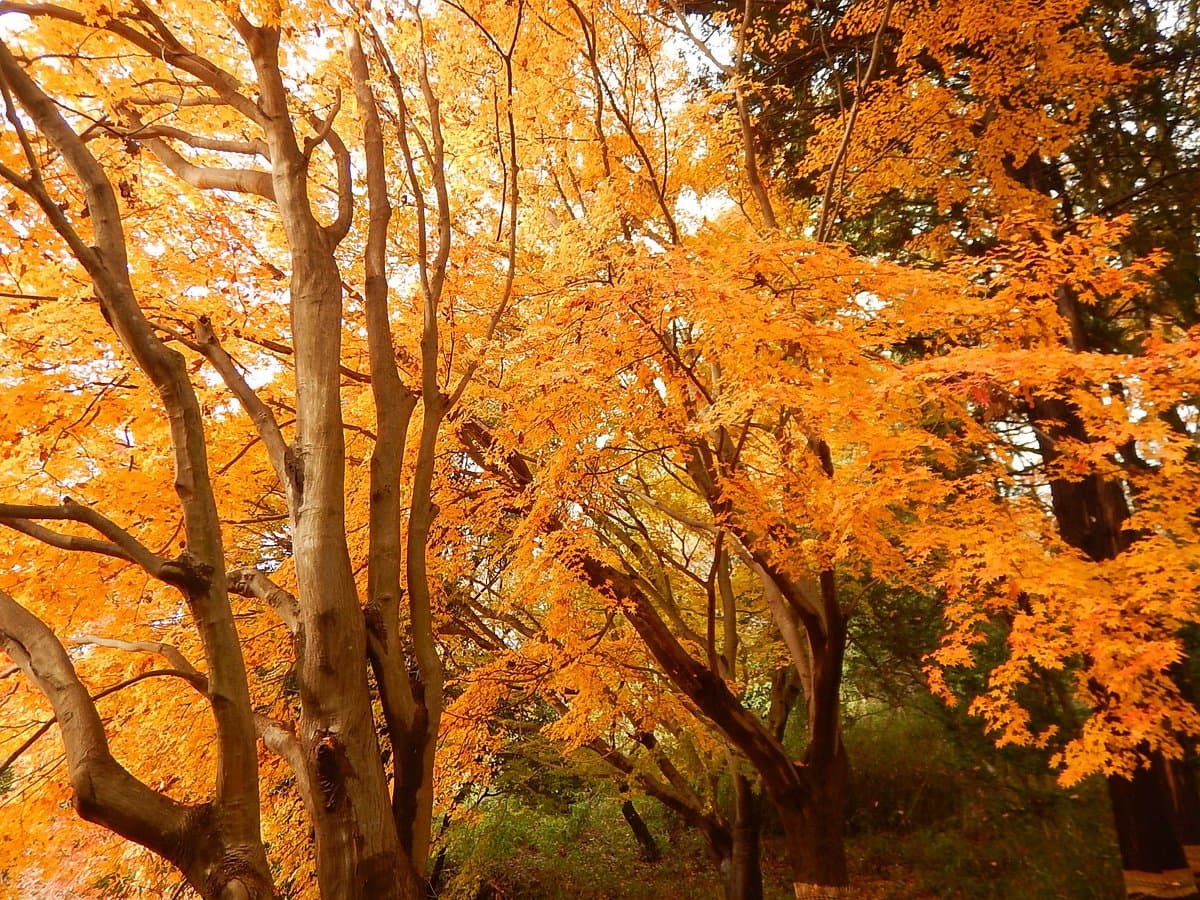
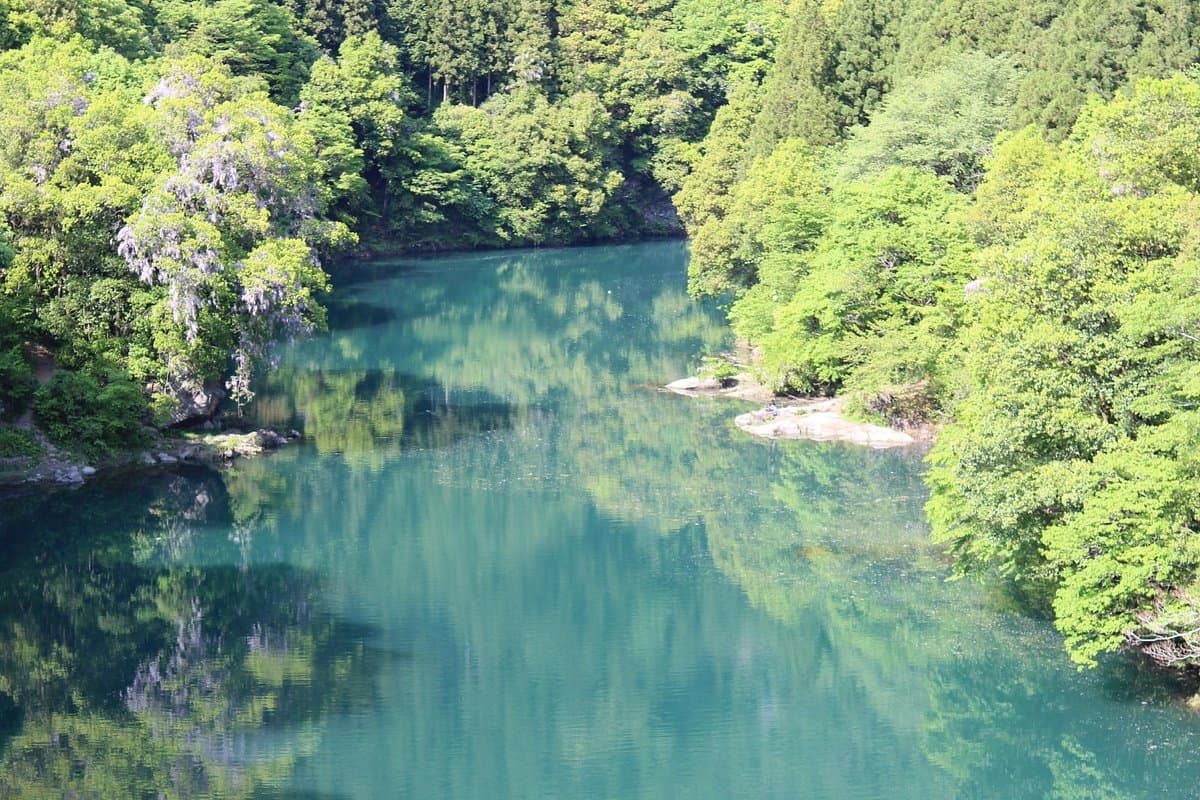
The Shiromaru Chosei-chi Dam offers a glimpse into Japan's hydroelectric infrastructure, with visitors often noting its unique fish ladder. While not a major tourist draw, it provides a quiet, scenic stop for those exploring the Okutama region, particularly for its autumn foliage.
Attraction
Kasane-ga-fuchi
Kasane-ga-fuchi
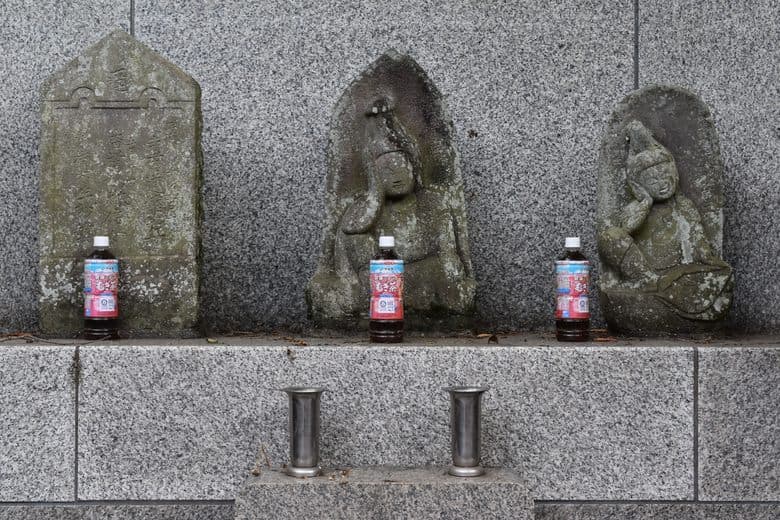
Kasane-ga-fuchi is the legendary setting of one of Japan's most famous ghost stories, deeply embedded in kabuki and rakugo traditions. While the 'abyss' itself is an unremarkable river bend, visitors can find the graves of the story's tragic figures at Hōzō-ji Temple, offering a tangible link to this enduring tale.