Kumano Hongu Taisha is the principal shrine of the Kumano Sanzan (Three Mountains of Kumano) and the head temple of more than 3,000 Kumano shrines scattered across Japan. Originally built around 2,000 years ago on a sandbar at the confluence of three rivers, it was relocated to its current elevated location after a devastating flood in 1889. The shrine is designated as an Important Cultural Property and is part of the Kii Peninsula UNESCO World Heritage Site. It enshrines Susanoo-no-Mikoto and ten other deities, making it one of Japan's most spiritually significant pilgrimage destinations.
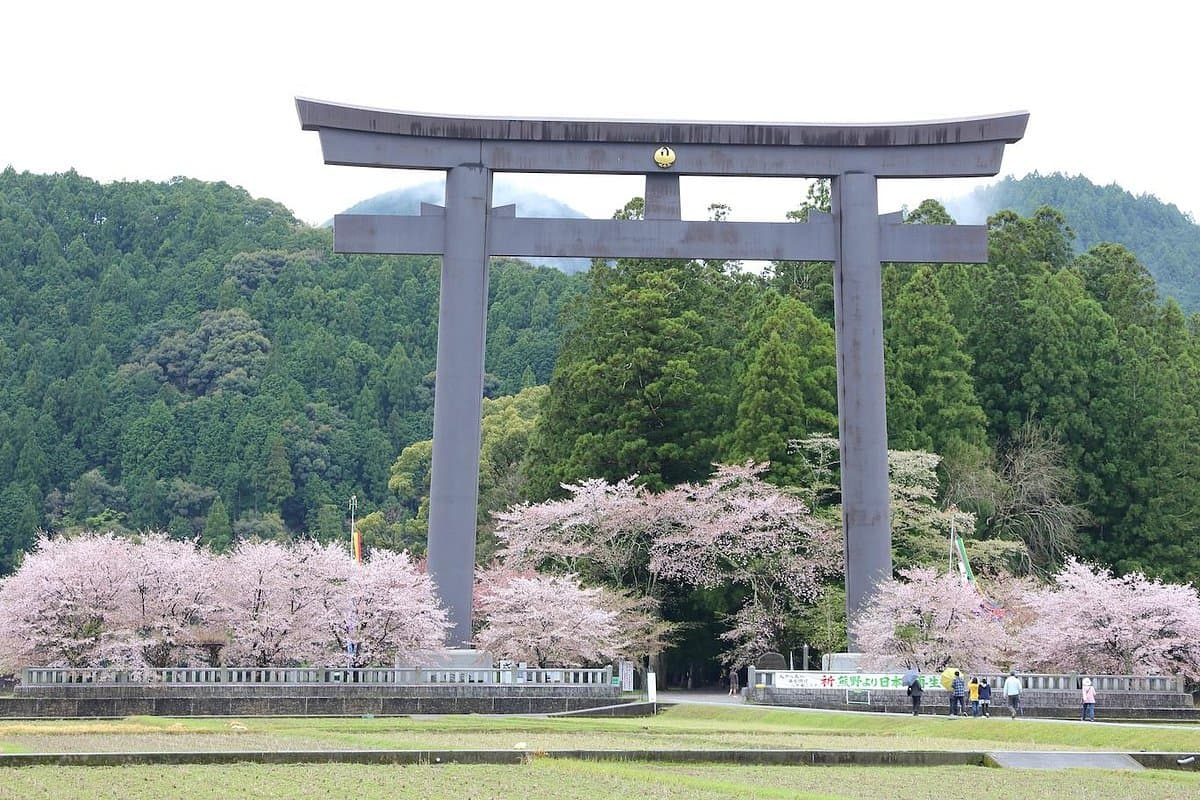
Visitors consistently praise the shrine's serene forest setting, atmospheric approach lined with hundreds of Kumano Daigongen flags, and the impressive traditional architecture featuring thick cypress-shingled roofs and black timber with gold decorations. The 158 stone steps leading from the main torii gate are described as steep but manageable, with uniform step heights that make climbing easier than expected. Many note that the shrine feels authentically spiritual rather than commercialized—it remains an active place of worship where visitors may encounter private ceremonies and hear monks chanting. The original shrine site, Oyunohara, is accessible via a 10-minute walk and features a massive cement torii gate; visitors recommend seeing both locations to understand the shrine's history. A visitor centre near the entrance provides informative displays about the Kumano Kodo pilgrimage route.
Plan to spend 1–2 hours at the shrine itself. Arrive early morning (before 9 a.m.) to avoid crowds, particularly during hatsumode (New Year visits) and cherry blossom season. Wear comfortable hiking shoes with good grip, as stone steps can be slippery when wet—the Kii Peninsula receives some of Japan's highest annual rainfall. Bring water and snacks; a café operates at the base of the steps, and pickled plums are available for purchase. If climbing 158 steps is difficult, use the rear parking area accessible by car, which provides direct access to the shrine grounds. The visitor centre offers backpack storage (500 yen per piece until 5 p.m.), useful for those hiking the Kumano Kodo. Allow extra time if visiting during a festival, such as the traditional spring matsuri when a portable mikoshi shrine is carried through the village.
Getting there: Kumano Hongu Taisha is most authentically reached via the Kumano Kodo hiking trail, particularly the Nakahechi route from Kyoto (2–3 days) or the shorter Hosshinmon-oji to Hongu segment (6.9 km, 3–4 hours). For those not hiking, take a bus from Shingu Station (approximately 90 minutes, 1,540 yen return; exact change recommended). The bus route passes through scenic valleys with stops at various onsen and trailheads; request a window seat on the right side for the best views. From Tanabe, local buses also serve the shrine. The parking lot is located at the base of the 158 steps; parking is generally available without long waits except during peak holiday periods. The shrine is approximately 1,110 Hongucho Hongu, Tanabe, Wakayama 647-1731. English-speaking staff are present at the shrine and visitor centre.
Common complaints centre on the remote location and limited dining options. The shrine is difficult to reach compared to the other two Kumano Sanzan shrines (Nachi and Hayatama), and restaurants in the area may have long waits during busy periods. Mitigation: eat before arriving or pack a lunch. Some hikers report confusion navigating the Kumano Kodo trail; obtain detailed maps or use GPS apps before departure. A few visitors note that entering via the rear service entrance (when hiking the trail) diminishes the ceremonial impact of the main approach; if possible, exit via the front torii gate to experience the full spiritual sequence.