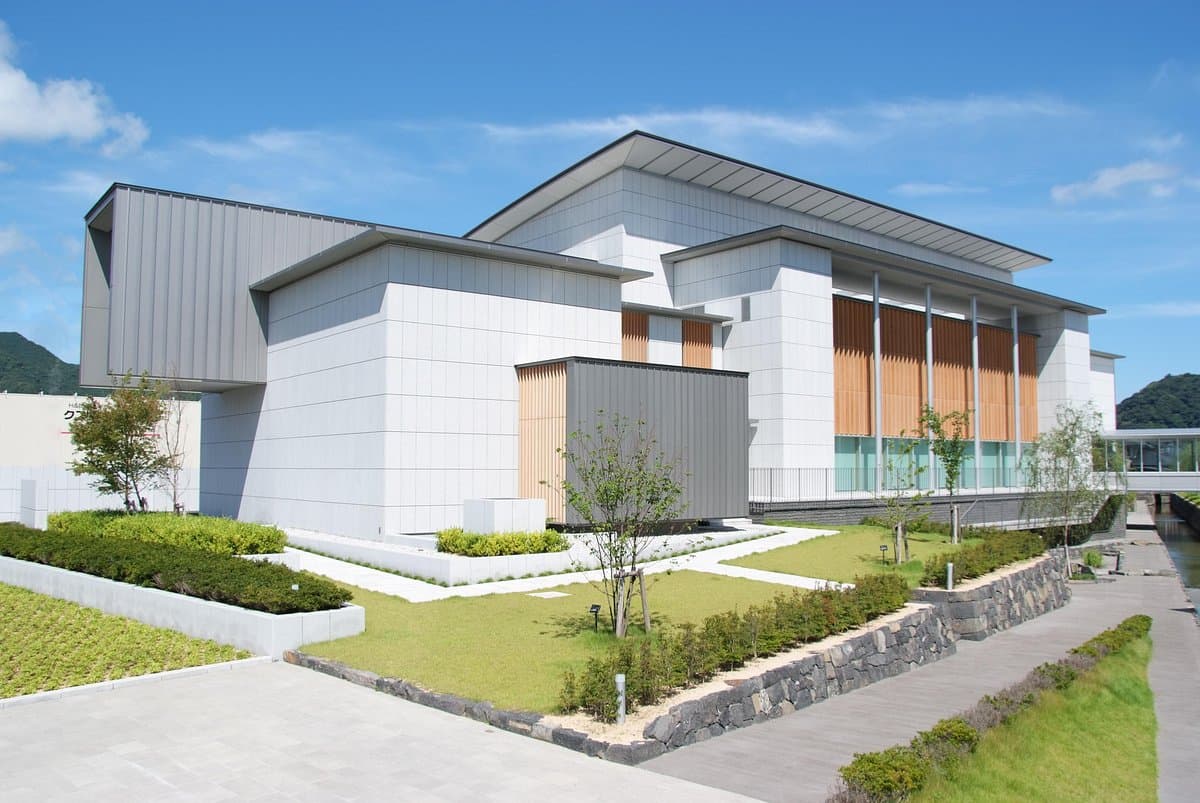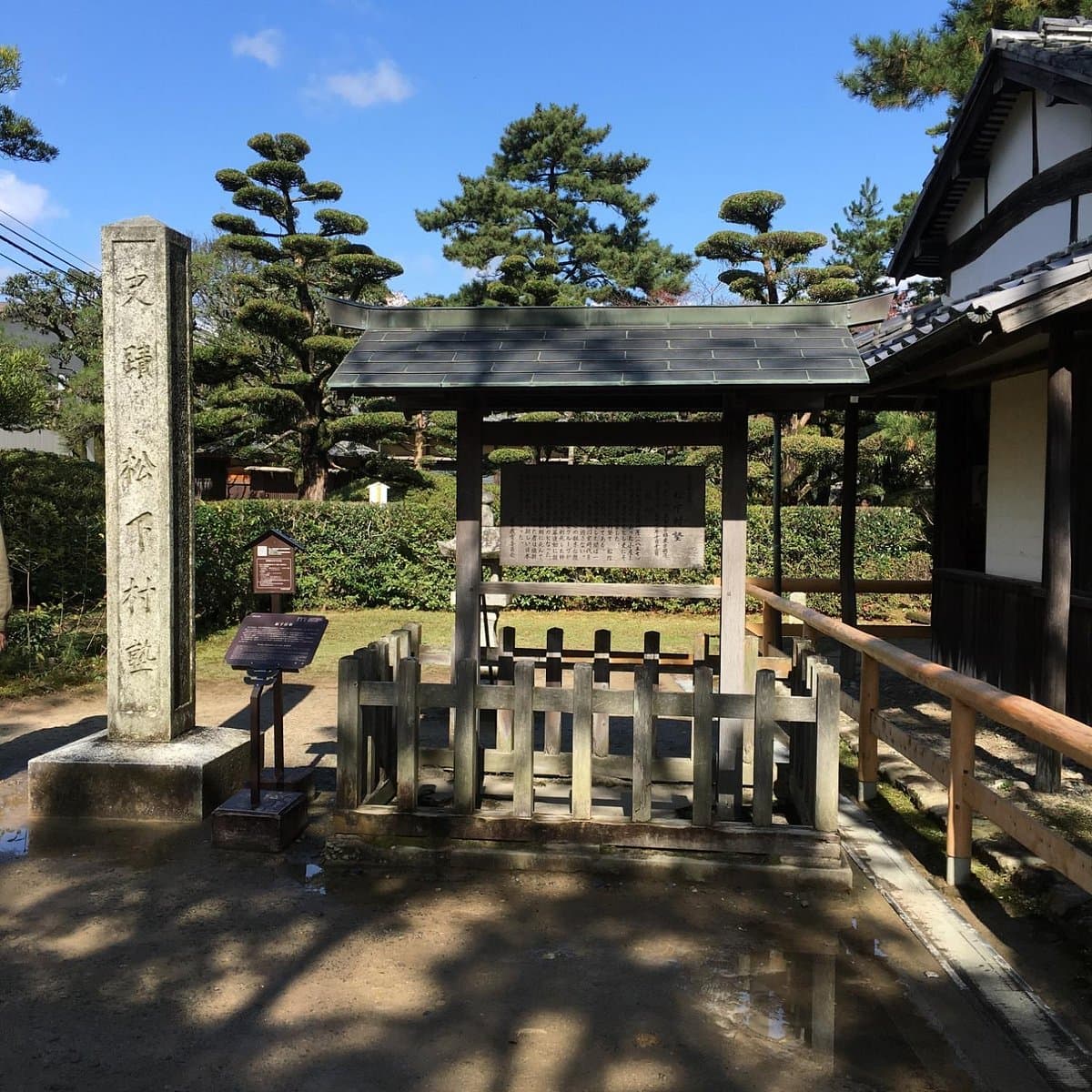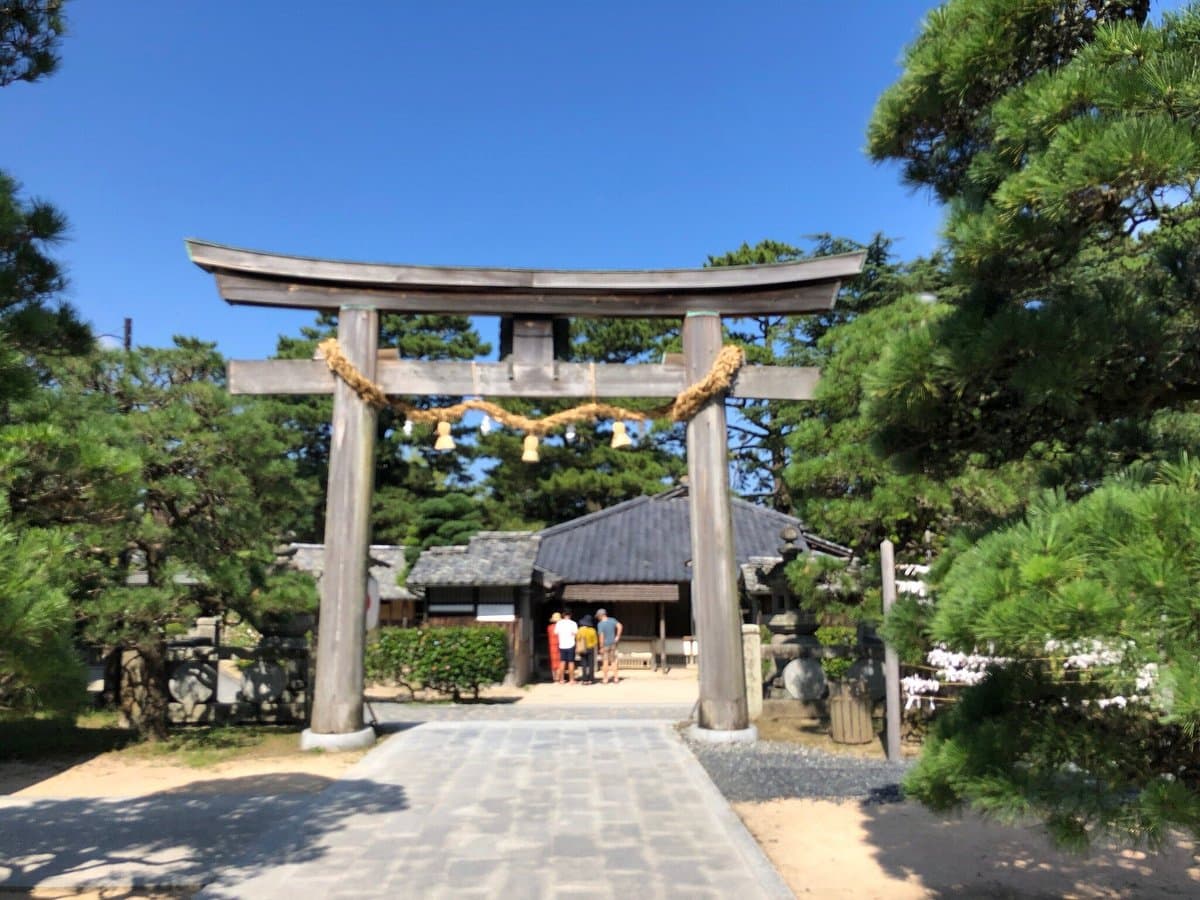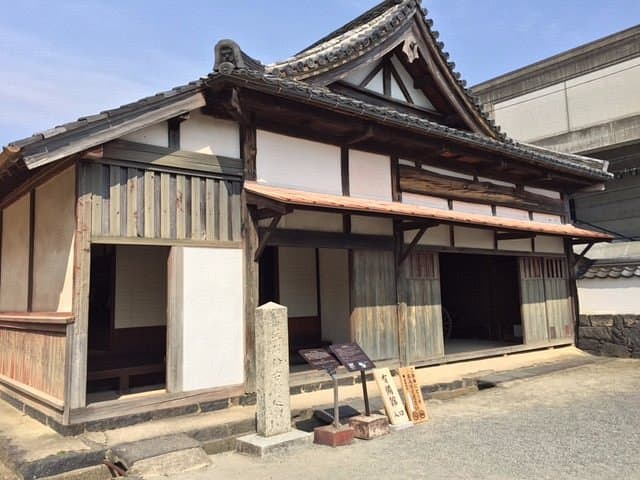
Hagi Meiringakusha is a historical facility built on the site of the former domain school Meirinkan, and housed in a wooden elementary school building that was in use until 2014. It serves as a museum dedicated to the history of Hagi, focusing on its significant contributions to Japan's modernization during the Edo and Meiji periods, including the region's early Westernization and industrialization efforts. It provides context for understanding the UNESCO World Heritage sites in the area.
Visitors consistently praise the friendly and helpful staff, who are often noted for their attentiveness and willingness to answer questions. Many reviewers appreciate the availability of English information, including children's brochures, which makes the exhibits more accessible to international guests. The facility is commended for its ability to convey the historical significance of the region, allowing visitors to experience the space where many influential figures, such as Shoin Yoshida, studied. The architecture of the old school building itself is also frequently highlighted as being very pretty and an attraction in its own right.
For a comprehensive visit, plan to spend at least 1.5 to 2 hours exploring the exhibits. While part of the museum is free, a small entrance fee is required for other sections. To avoid crowds, especially during local events like the Hagi Pottery Fair, consider visiting on a weekday or during off-peak seasons. Reviewers suggest that during busy times, the main parking lots can fill up, so having an alternative parking plan is advisable.
Hagi Meiringakusha is located at 602 Emukai, Hagi. Reviewers mention an adjacent municipal parking lot, which is convenient for those arriving by car and can also serve as a base for exploring other parts of Hagi City. During events, parking might be directed to alternative locations, such as the Central Park side. While specific public transport details are not frequently mentioned in reviews, its central location in Hagi suggests it is accessible within the city's general transport network or by a short drive.
A common complaint, particularly during special events, is the potential for overcrowding, which can detract from the ability to fully appreciate the exhibits. To mitigate this, check the local event calendar before your visit and aim for quieter times. Some visitors also note that while English information is available, not all details are translated, which might leave some gaps for non-Japanese speakers.