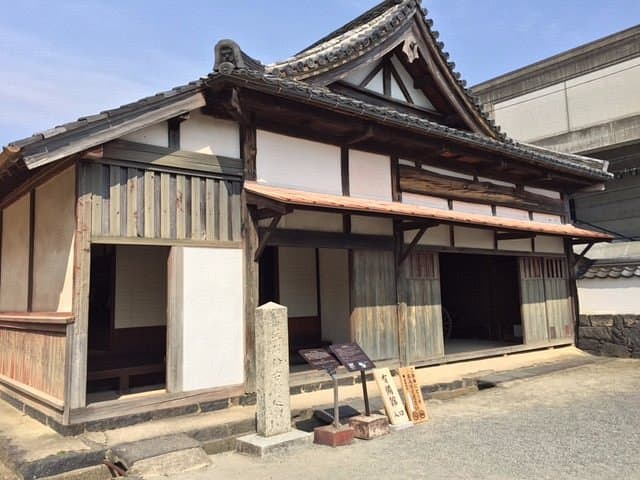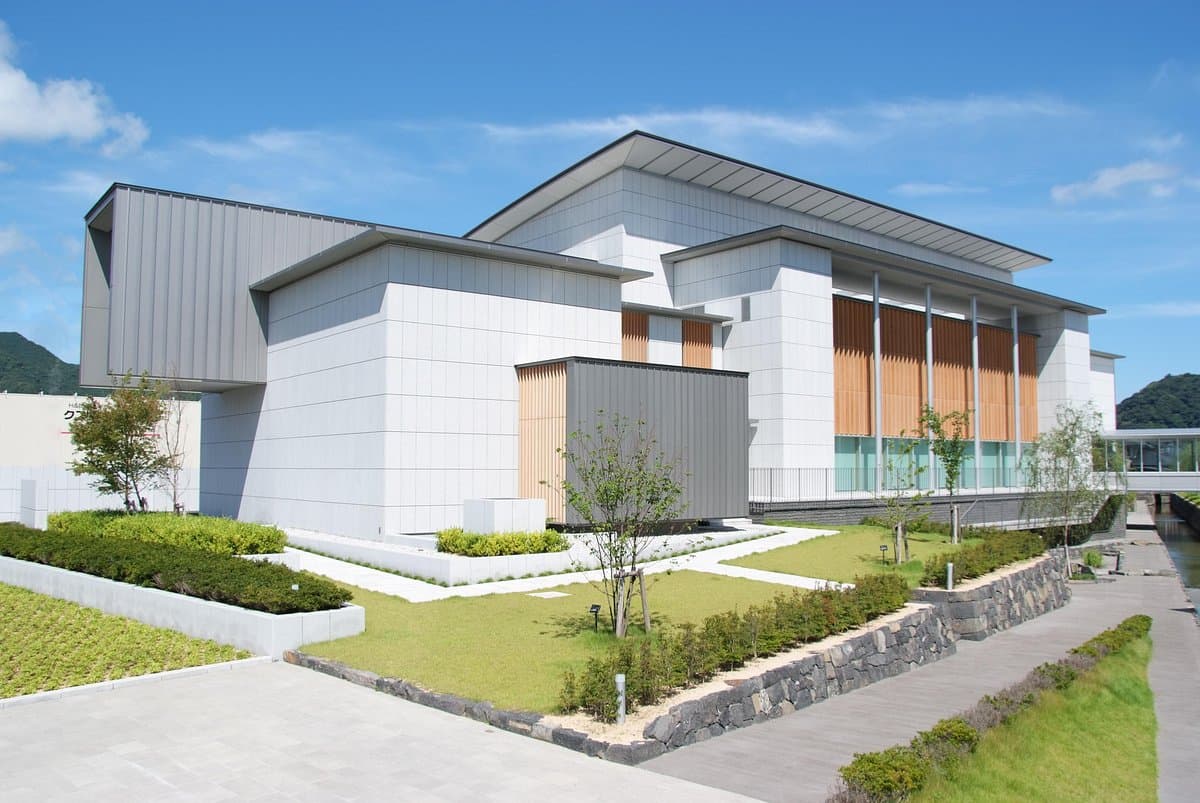
The Hagi Uragami Museum is a significant cultural institution in Hagi, primarily known for its extensive collection of Japanese ceramics, particularly Hagiyaki pottery, and a substantial collection of Ukiyo-e woodblock prints. The museum originated from the donations of Hagi-born entrepreneur Toshiro Uragami and serves as a vital repository for understanding the region's artistic traditions and their historical connections, such as the Korean influence on Hagiyaki pottery in the 17th century.
Visitors consistently praise the museum for its high-quality ceramic exhibits, which include both traditional Hagiyaki and modern ceramic art. Many find the displays of contemporary artists, featuring stone, metalwork, and lacquerware, to be particularly engaging. The museum's ability to showcase the evolution and diversity of Japanese craftsmanship is a recurring positive theme. Reviewers also appreciate the friendly and helpful staff, noting that language barriers are often overcome with translation tools.
To make the most of your visit, plan to spend approximately 1 to 2 hours exploring the collections. While the museum is generally well-regarded, some visitors have noted that the promised extensive Hokusai print collection is not always fully on display, with only a selection shown at any given time. It's advisable to check current exhibitions if a specific artist's work is a primary draw. The museum is a relatively small and manageable size, making it suitable for a relaxed pace. Bringing a smartphone with a translation app can enhance the experience, as some information might be primarily in Japanese.
The Hagi Uragami Museum is located at 586-1 Hiyako-machi, Hagi. Hagi is a compact city, and the museum is generally accessible. While specific public transport routes directly to the museum are not detailed in reviews, Hagi's main attractions are often within walking or short taxi distance from central areas or the Hagi Station. Driving is also an option, and parking facilities are usually available for museums in Japan. It is recommended to consult local maps or transportation apps for the most current and precise directions.
A common point of confusion for some visitors is the expectation of seeing a complete Hokusai print collection, when in reality, only a rotating selection is exhibited. To mitigate this, manage expectations regarding specific print artists and focus on the broader, consistently praised ceramic and modern art collections. The museum's affordable entry fee makes it a low-risk cultural exploration even if a particular temporary exhibit isn't to one's exact liking.