Attractions — Kanagawa

Attraction
Pia Arena MM
Pia Arena MM · ぴあアリーナMM · Pia Arīna MM
Pia Arena MM is a contemporary, purpose-built music arena in Yokohama's Minatomirai district, known for its excellent acoustics and modern design. Visitors appreciate its spacious interior and the convenience of nearby attractions for pre- or post-event activities. It's a prime spot for concerts and live performances.

Attraction
Bono Sagamiono
Bono Sagamiono
Bono Sagamiono is a multi-purpose commercial facility directly connected to Sagamiono Station, offering a wide array of shops, restaurants, and daily necessities. Visitors appreciate its convenience, especially for those staying nearby or looking for a place to shop and dine on a rainy day.
Attraction
Nogeyama Zoological Gardens
Nogeyama Zoological Gardens · 野毛山動物園 · Noge San Dōbutsu En
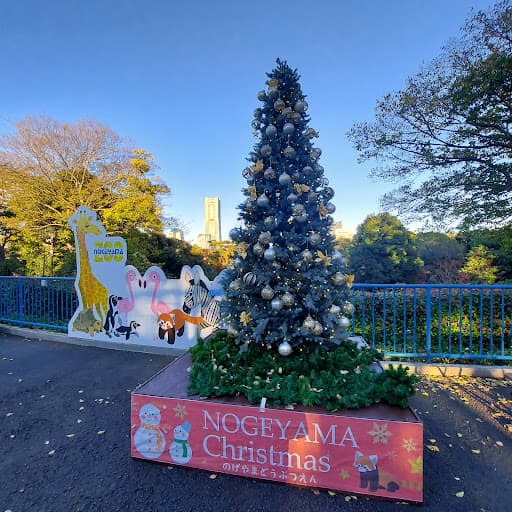
Nogeyama Zoological Gardens offers a free and accessible animal experience in Yokohama, featuring a variety of animals including red pandas, giraffes, and a popular petting zoo. While some visitors praise its relaxed atmosphere and free entry, others express concern over the size of enclosures for larger animals.
Attraction
Poké Lid #100
Poké Lid #100
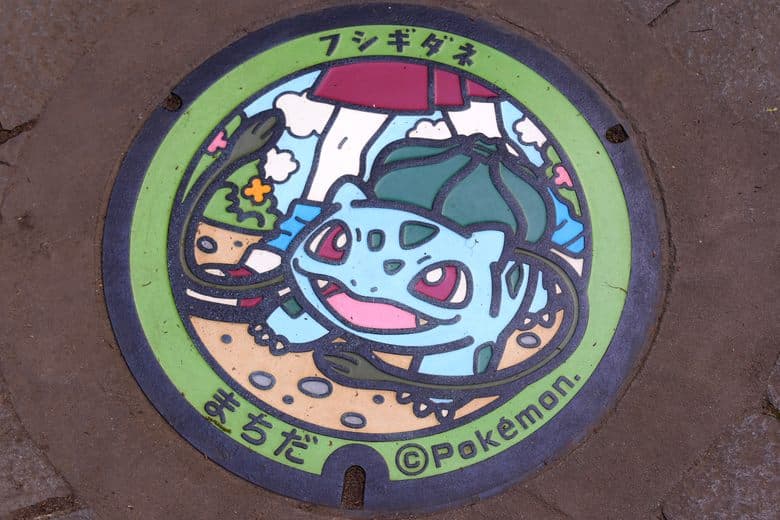
Poké Lid #100 is one of six unique Pokémon-themed manhole covers located in Serigaya Park, Machida. These lids celebrate Machida as the hometown of Satoshi Tajiri, the creator of Pokémon, offering a special pilgrimage site for fans to connect with the franchise's origins.
Attraction
Umanose Domon
Umanose Domon
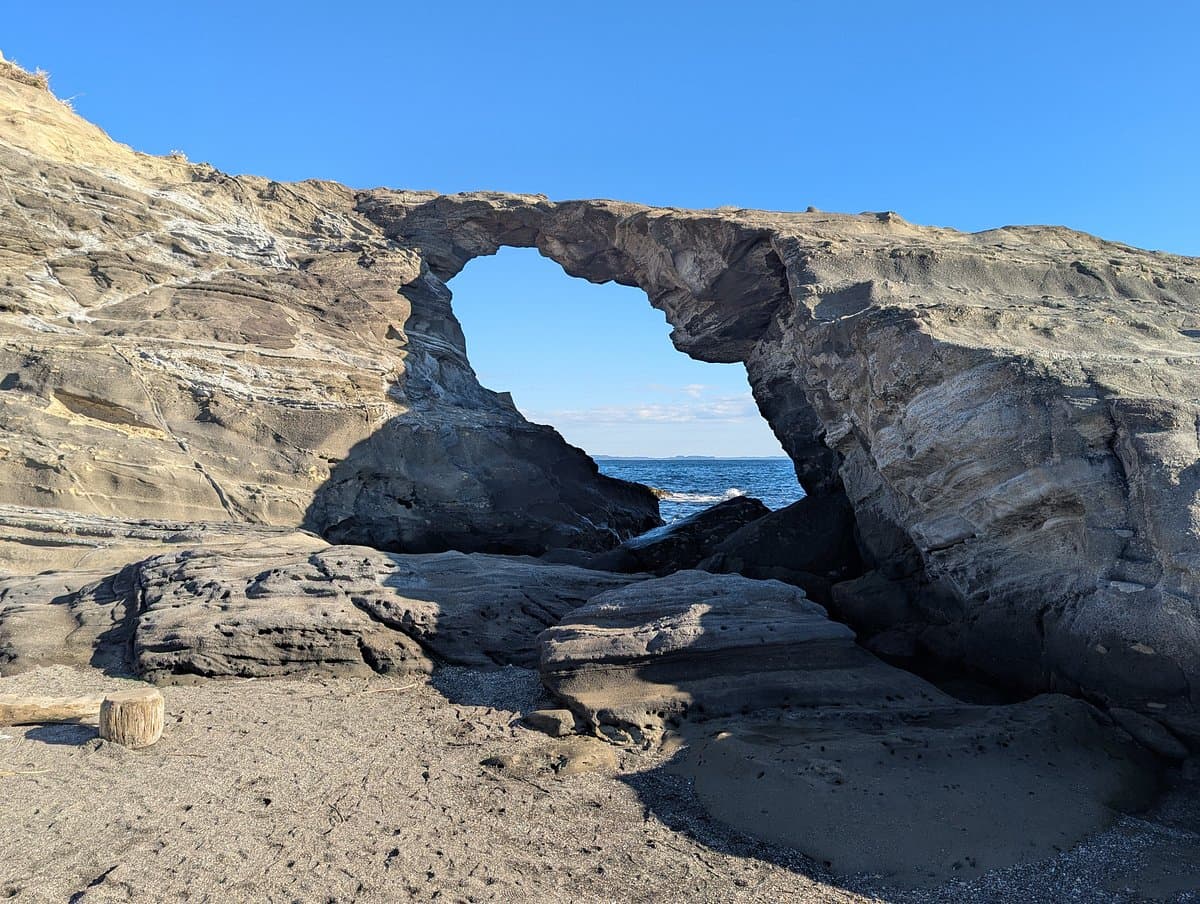
Umanose Domon is a natural rock arch on Jogashima Island, formed by centuries of erosion and dramatically uplifted by the 1923 Great Kanto Earthquake. Visitors enjoy the scenic hike to reach it and the unique geological formation, often finding it a picturesque spot for photos.
Attraction
Nusuttogari
Nusuttogari
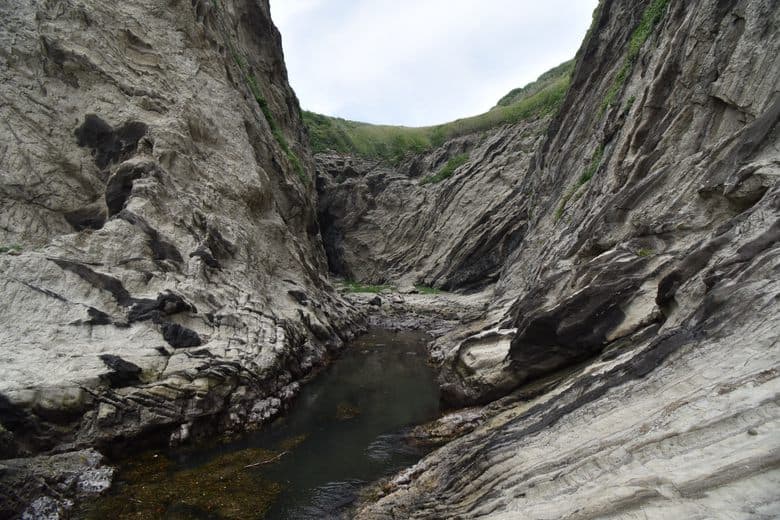
Nusuttogari offers a dramatic, erosion-sculpted cliff face overlooking Bishamon Bay, providing a unique and rugged coastal landscape. Visitors describe the scenery as otherworldly, reminiscent of a lunar surface, making the challenging trek worthwhile for those seeking natural beauty away from typical tourist crowds.
Attraction
Moto-Hakone Stone Buddhas
Moto-Hakone Stone Buddhas
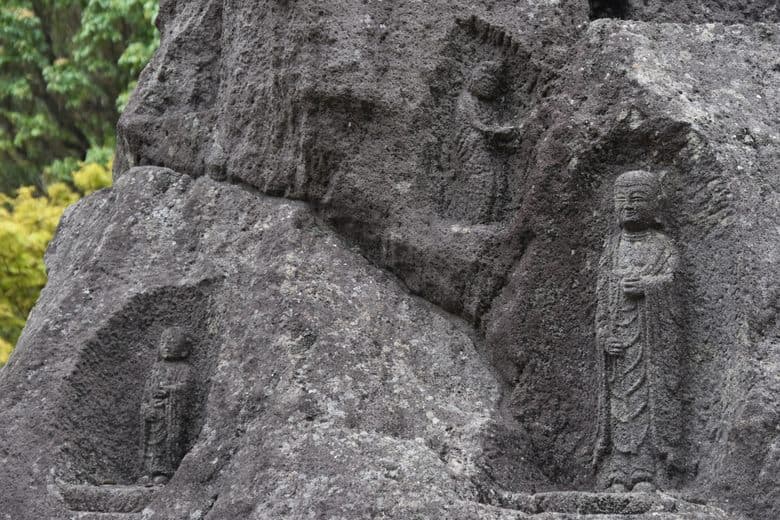
The Moto-Hakone Stone Buddhas are a collection of medieval rock-cut Buddhist statues, carved into volcanic cliffs over 700 years ago. These effigies, including Ksitigarbha and other bodhisattvas, were created to protect locals from the perceived 'hell' of the volcanic landscape. Visitors can explore these historically significant carvings, which are spread across three locations along National Route 1.
Attraction
Hall of the Ten Kings at Ennoji Temple
Hall of the Ten Kings at Ennoji Temple
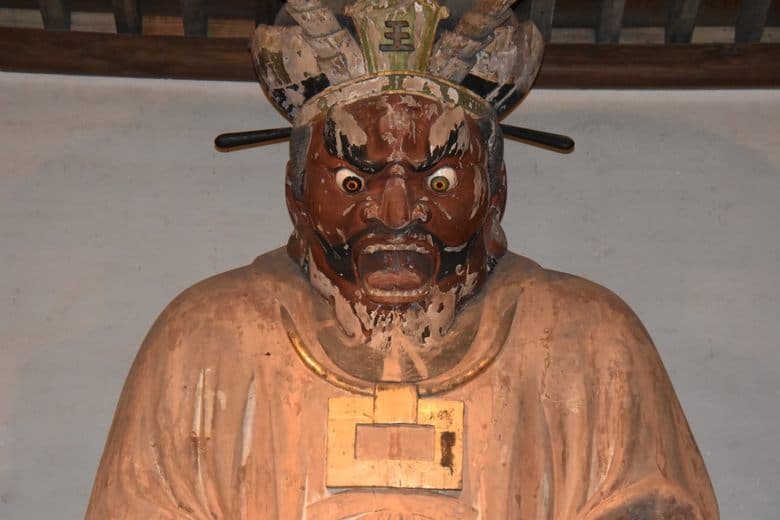
Step into the Hall of the Ten Kings at Ennoji Temple in Kamakura to encounter a fascinating collection of centuries-old statues depicting the judges of the Buddhist underworld. This unique temple provides a vivid, albeit somber, artistic representation of the afterlife, centered around the legendary 'Laughing En'ma' statue.
Attraction
Grave of Yasujirō Ozu
Grave of Yasujirō Ozu
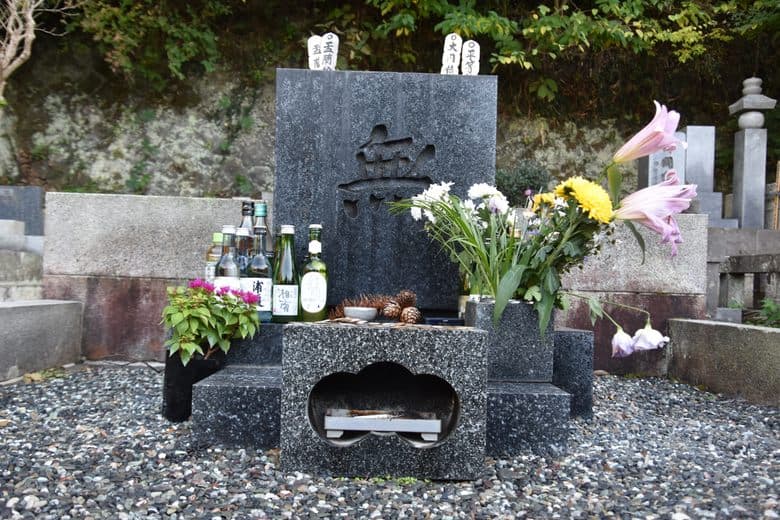
The Grave of Yasujirō Ozu, located within the serene Engaku-ji Temple in Kamakura, offers a unique pilgrimage for film enthusiasts. Visitors will find the simple headstone marked with the kanji for 'nothingness,' often adorned with sake bottles left as offerings, reflecting the director's life and legacy.
Attraction
Egg Sandwich Laboratory Vending Machine
Egg Sandwich Laboratory Vending Machine
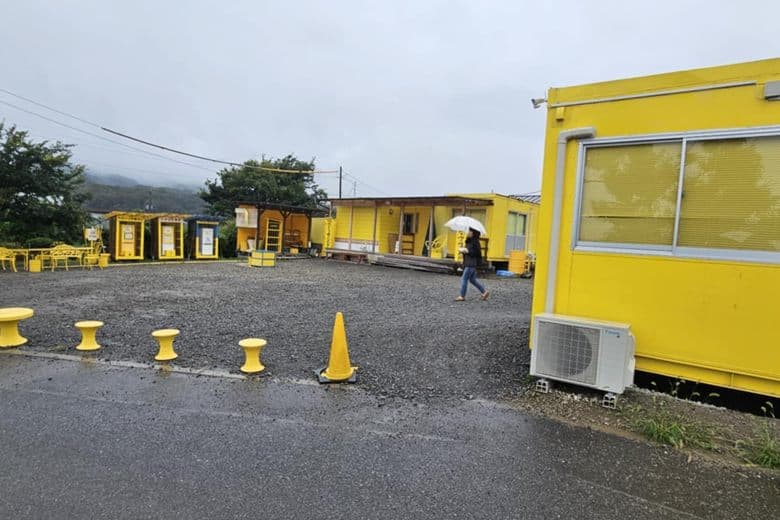
The Egg Sandwich Laboratory Vending Machine in Atsugi offers a unique 24/7 self-serve experience, specializing in generously filled egg salad sandwiches. Visitors can enjoy freshly made sandwiches, along with other options like tonkatsu and fruit sandwiches, all housed in distinctive yellow refrigerators.
Attraction
Harakiri Yagura
Harakiri Yagura
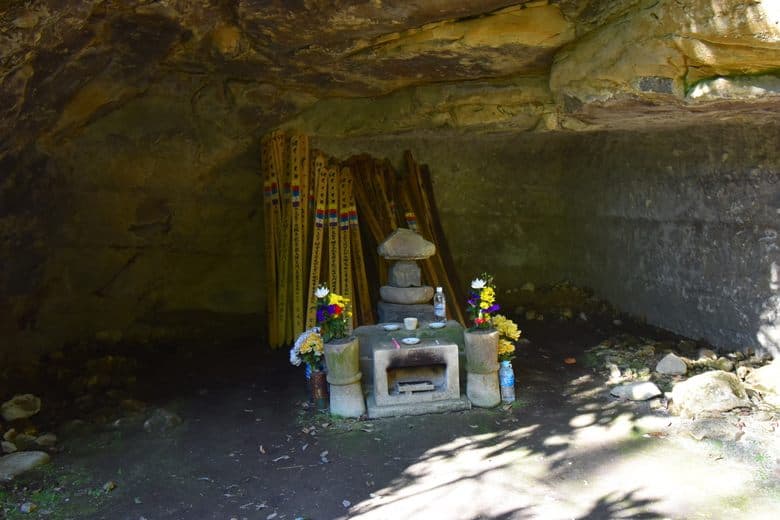
Harakiri Yagura marks the somber site where the last Hōjō regent, Takatoki, and hundreds of his clan members are believed to have committed seppuku in 1333, ending the Kamakura Shogunate. While access is generally restricted, visitors can respectfully observe this sacred burial cave dedicated to the fallen samurai.
Attraction
Ju-oh-iwa
Ju-oh-iwa
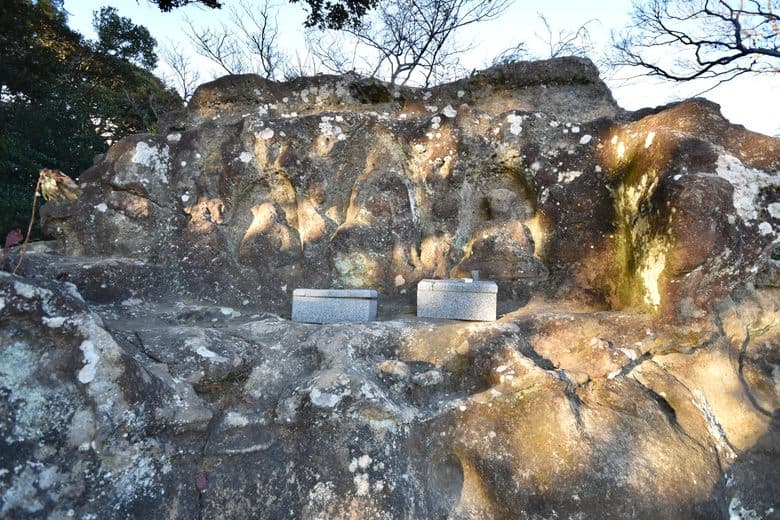
Ju-oh-iwa, or "Ten Kings Rock," is a historic rock formation featuring faint carvings of infernal judges, offering a stunning panoramic view of Kamakura. Located along the Ten-en Hiking Course, it provides a unique blend of spiritual history and scenic beauty, making it a rewarding stop for hikers.
Attraction
‘Insect Mound’
‘Insect Mound’
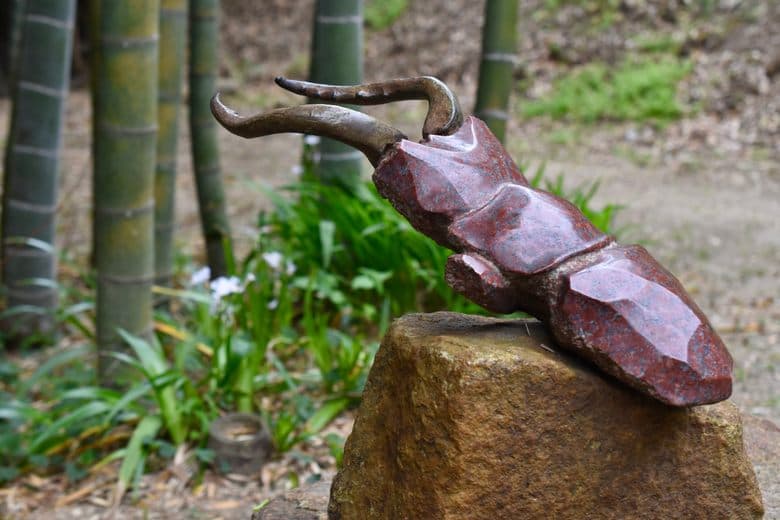
Nestled within the serene Keichō-ji temple complex, the Insect Mound is a unique art installation and memorial dedicated to insects. Visitors find it a contemplative spot, appreciating its intricate design and the surrounding natural beauty.
Attraction
Kamakura's Seven Entrances
Kamakura's Seven Entrances
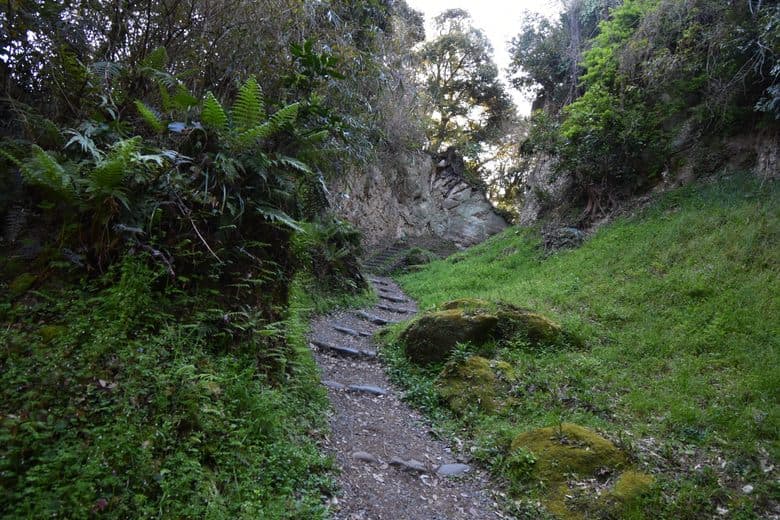
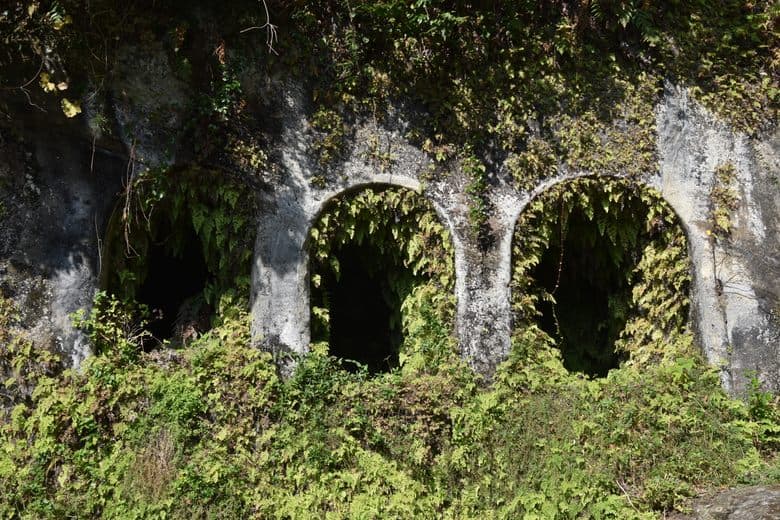
Explore the ancient defensive passes of Kamakura, carved through hills and mountains, which once guarded the medieval capital. These 'kiridōshi' offer a blend of historical intrigue and natural beauty, providing a unique hiking experience away from the city's main crowds.
Attraction
Muryōju-in Temple Site
Muryōju-in Temple Site
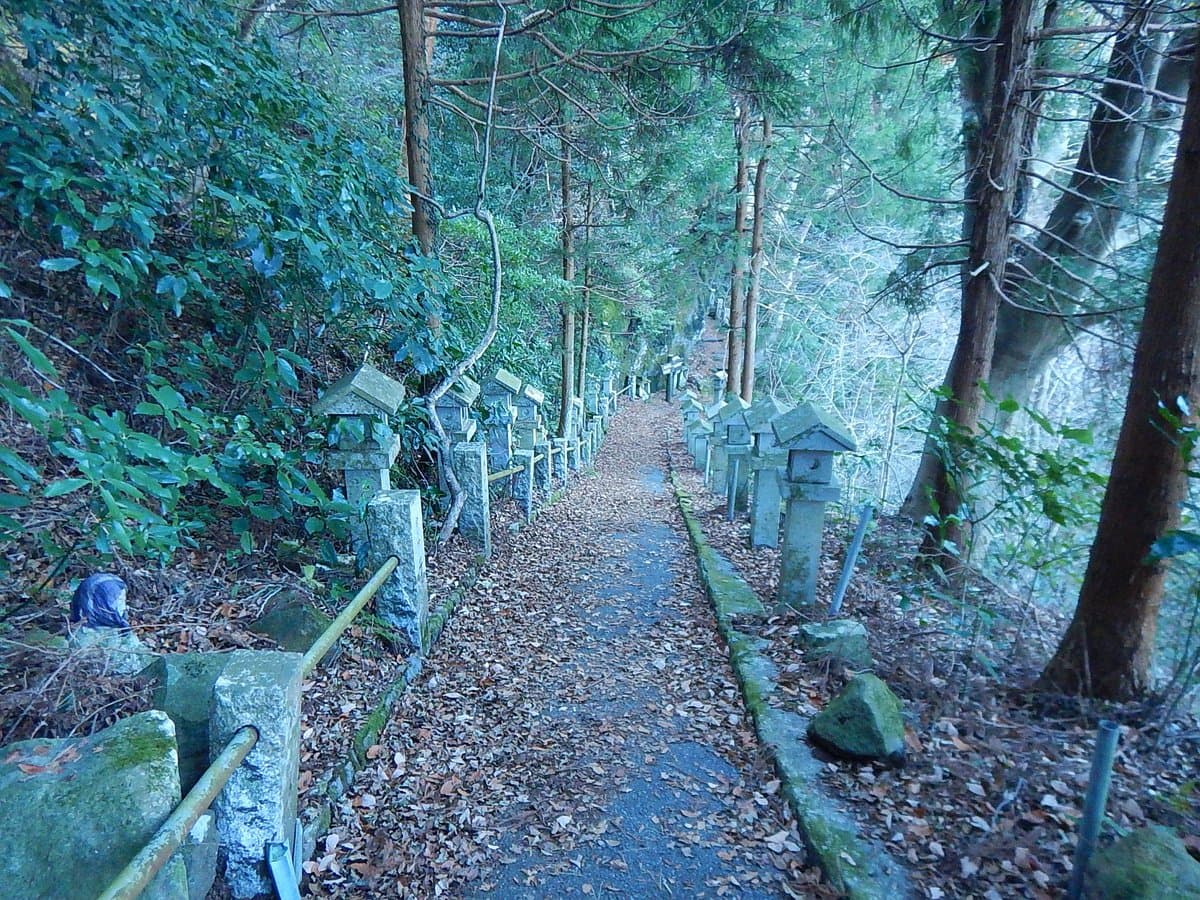
Explore centuries of Kamakura's past at the Muryōju-in Temple Site, where a 13th-century Zen basin, 100-year-old industrial grottoes, and the modern Kamakura Museum of History and Culture coexist. Visitors can trace the evolution of this significant location, from its samurai origins to its transformation into a Mitsubishi founder's villa.
Attraction
Shishido Iwaya Caves
Shishido Iwaya Caves
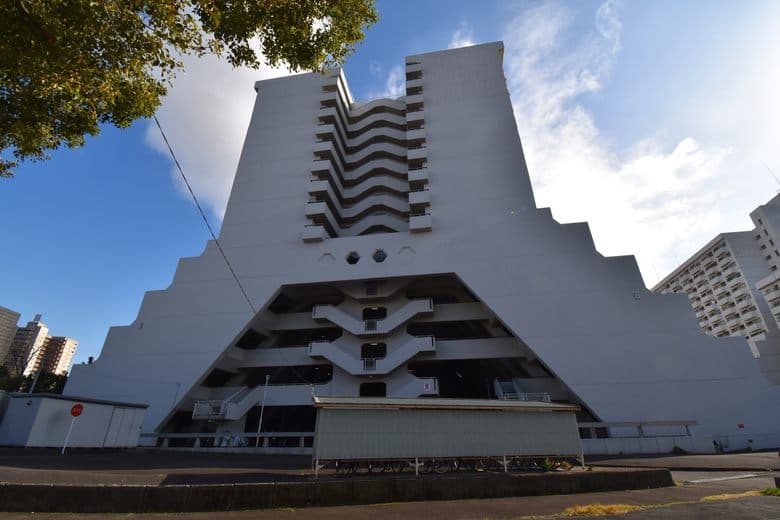
The Shishido Iwaya Caves offer a brief glimpse into local history and legend, said to be a hiding place for Minamoto no Yoritomo. Visitors can explore a dimly lit cave featuring stone Buddha statues and natural spring water, providing a cool retreat even in summer.
Attraction
Kawaramachi Housing Complex
Kawaramachi Housing Complex
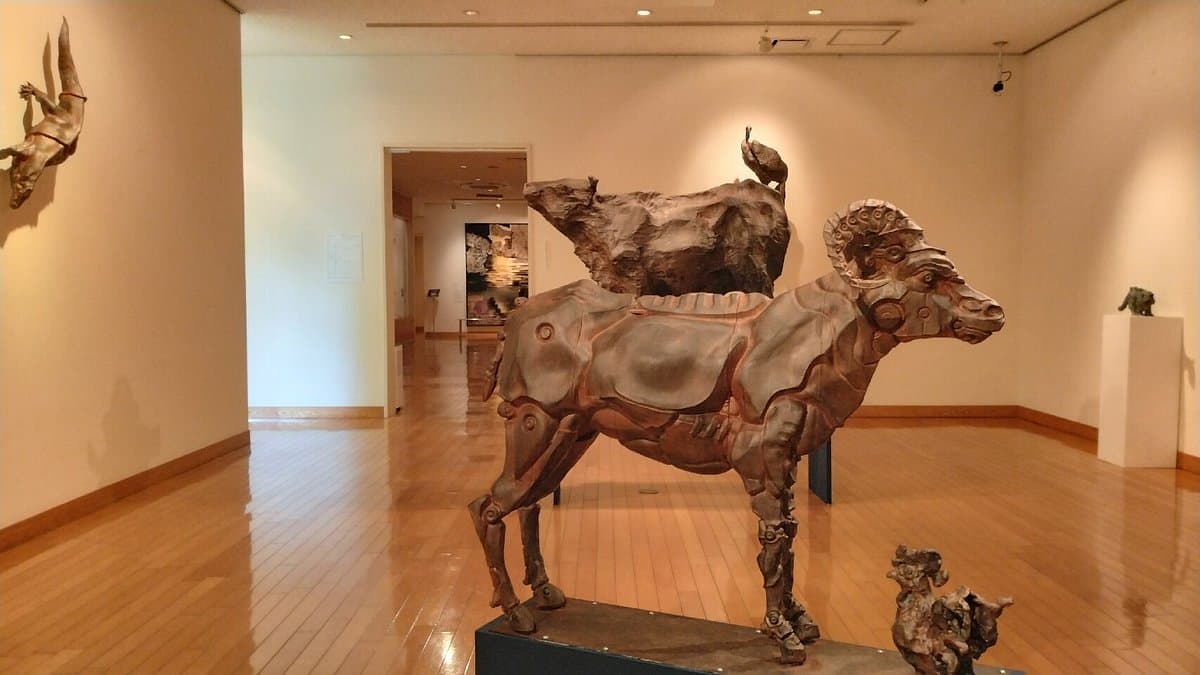
The Kawaramachi Housing Complex in Kawasaki showcases a unique Metabolist architectural style with its inverted Y-shaped buildings, resembling a retro-futuristic space colony. While not a conventional tourist spot, it offers a glimpse into a distinctive urban design philosophy from the 1970s, appealing to those interested in modern architecture.
Attraction
Yugawara Art Museum
Yugawara Art Museum
The Yugawara Art Museum offers a modest collection of works by artists connected to the Yugawara region, including a dedicated section for Reiji Hiramatsu. Visitors can explore various small exhibition rooms, some featuring unique displays like a studio replica or international puppet collections, providing a quiet cultural experience.
Attraction
Sagami Lake Prefectural Park
Sagami Lake Prefectural Park
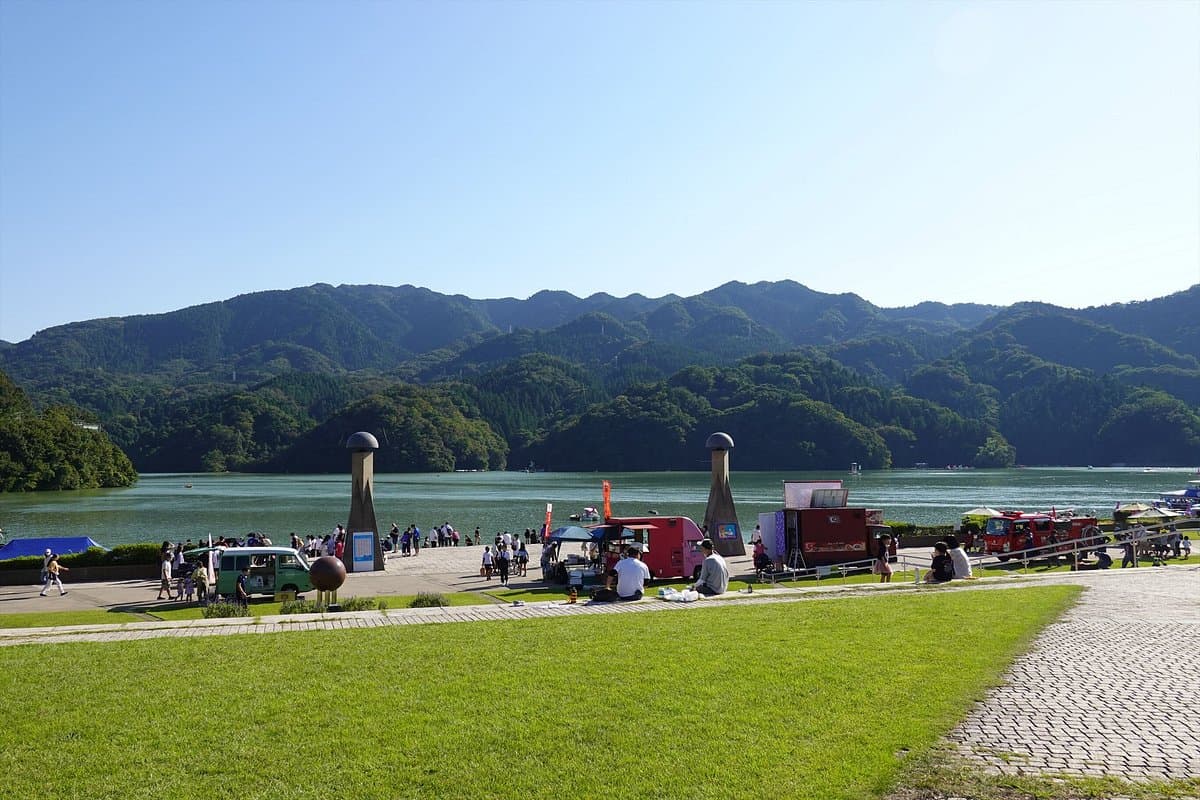
Sagami Lake Prefectural Park offers a tranquil escape with scenic views of Sagami Lake and surrounding nature. Visitors can enjoy walking trails, playgrounds, and seasonal events, making it a suitable spot for families or those seeking a quiet outdoor experience.
Attraction
Sagami Odako Festival
Sagami Odako Festival
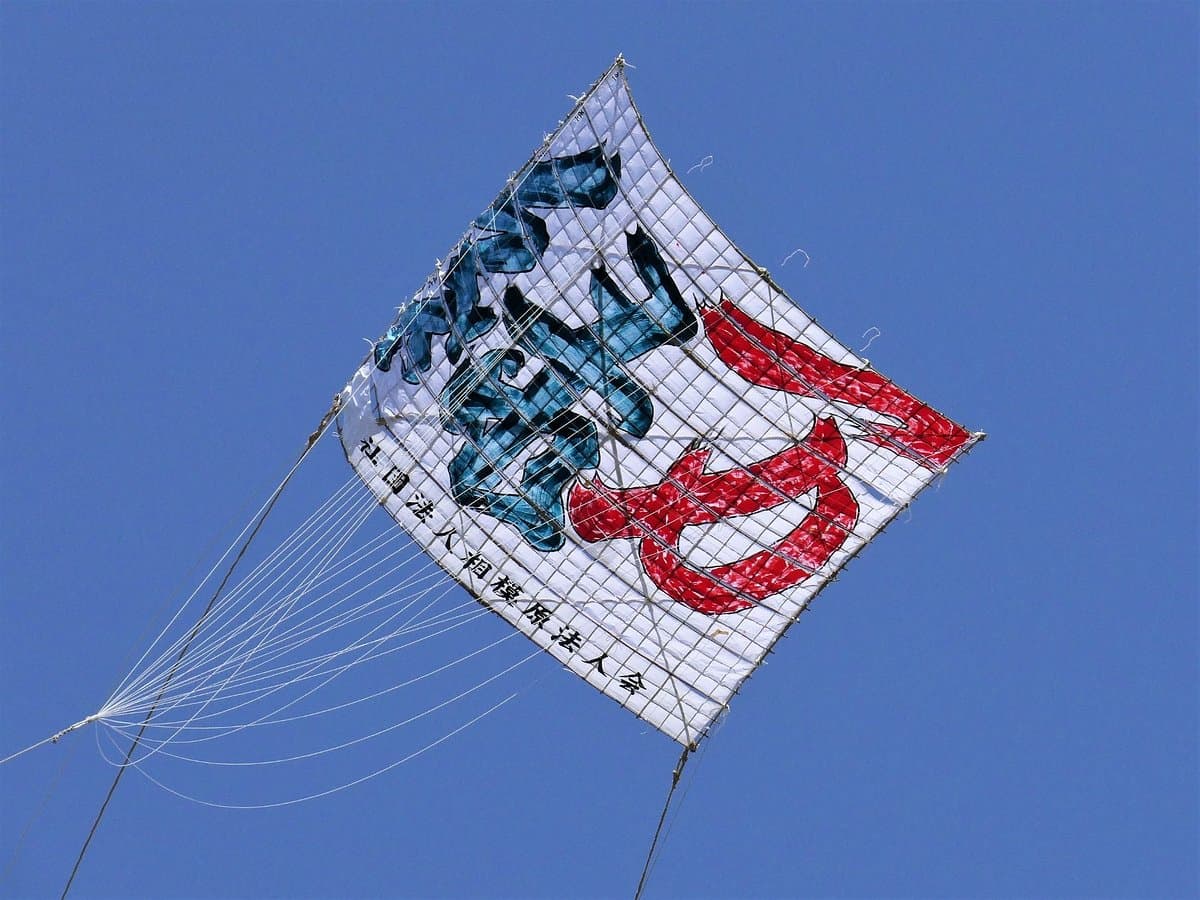
The Sagami Odako Festival is an annual event in Sagamihara, Japan, known for its massive, traditional kites flown over the Sagami River. Visitors can witness the impressive spectacle of these giant kites, some measuring up to 14.5 meters square, being launched and maneuvered by teams.