Attractions — Kyoto
Attraction
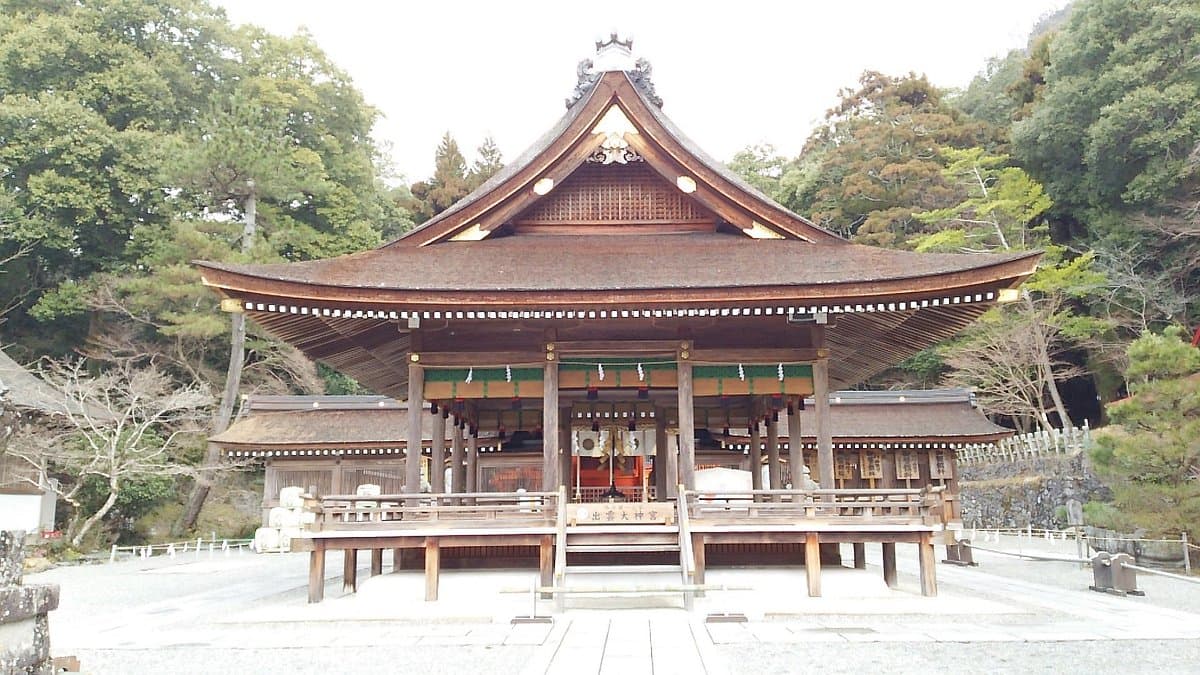
Izumo Daijingu
Izumo Daijingu
Izumo Daijingu, located in Kameoka, is a significant Shinto shrine with historical ties to the more famous Izumo Taisha. Visitors appreciate its serene atmosphere and its reputation for blessings related to marriage, fortune, and longevity, offering a glimpse into local spiritual traditions.
Attraction
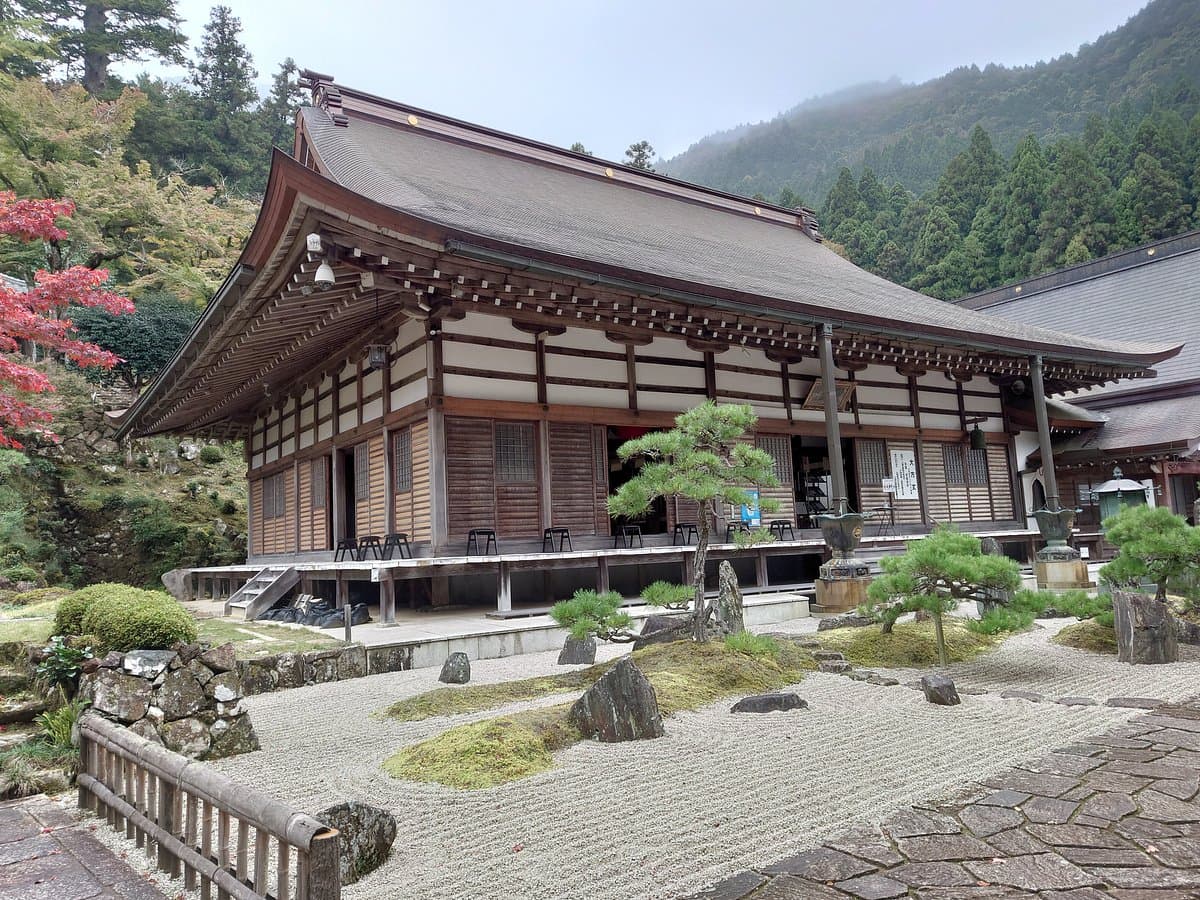
Choanji Temple
Choanji Temple
Choanji Temple offers a serene and picturesque escape, particularly renowned for its stunning autumn foliage and beautiful gardens. Visitors consistently praise its peaceful atmosphere and the vibrant colors during fall, making it a hidden gem for those seeking tranquility.
Attraction
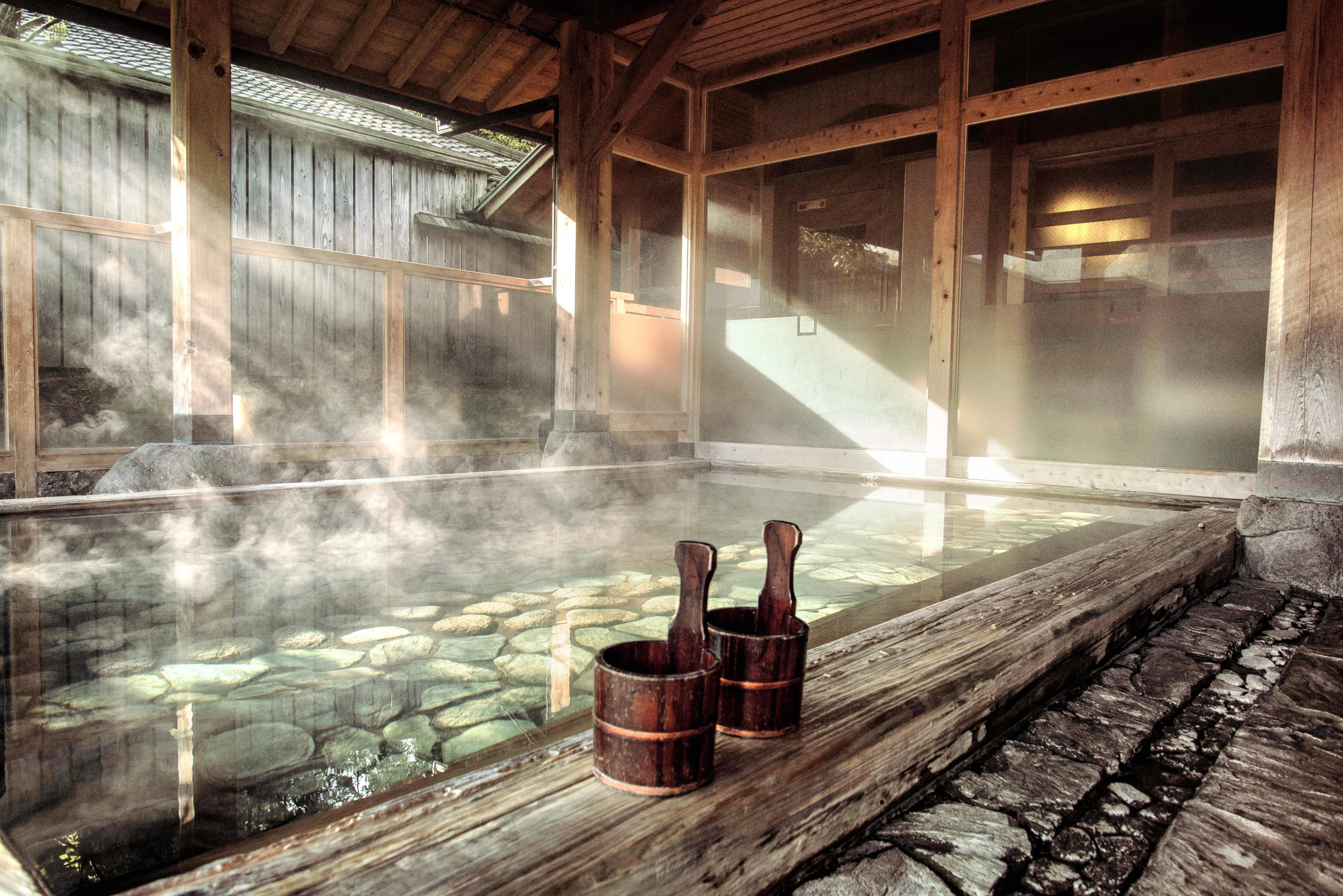
Togetsutei
Togetsutei · 京都嵐山温泉 渡月亭 碧川閣 · Kyōto Arashiyama Onsen Watari Tsukitei Heki Gawa 閣
Togetsutei is a historic ryokan in Kyoto's scenic Arashiyama district, offering guests a traditional Japanese hot spring experience. Visitors praise its natural mineral-rich baths, delicious Kyoto cuisine, and serene mountain surroundings, making it an ideal spot for a relaxing cultural immersion.
Attraction
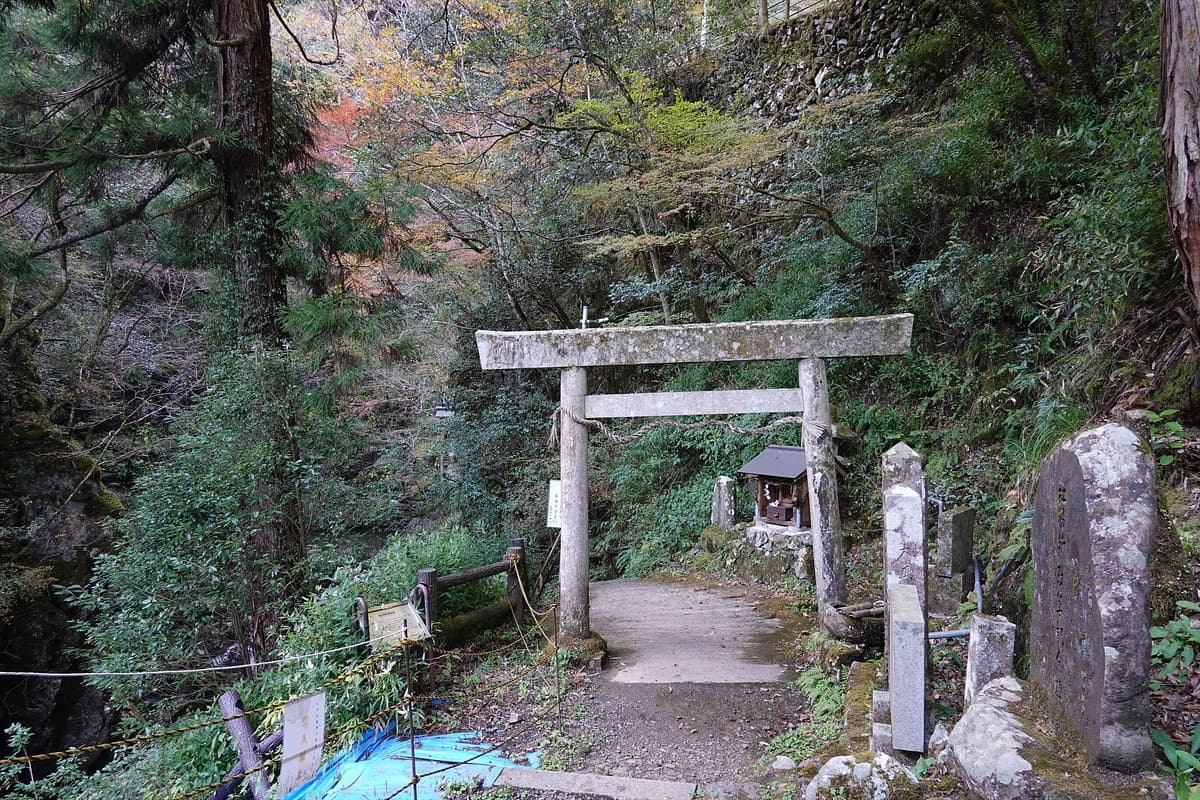
Amanoiwato Shrine
Amanoiwato Shrine
Nestled in the tranquil mountains of Fukuchiyama, Amanoiwato Shrine offers a unique spiritual experience, deeply rooted in Japanese mythology. Visitors are drawn to its serene atmosphere and the intriguing legend of the sun goddess Amaterasu, making it a peaceful retreat from more bustling tourist spots.
Attraction
Kyogamisaki (Kyogamisaki Lighthouse)
Kyogamisaki (Kyogamisaki Lighthouse)
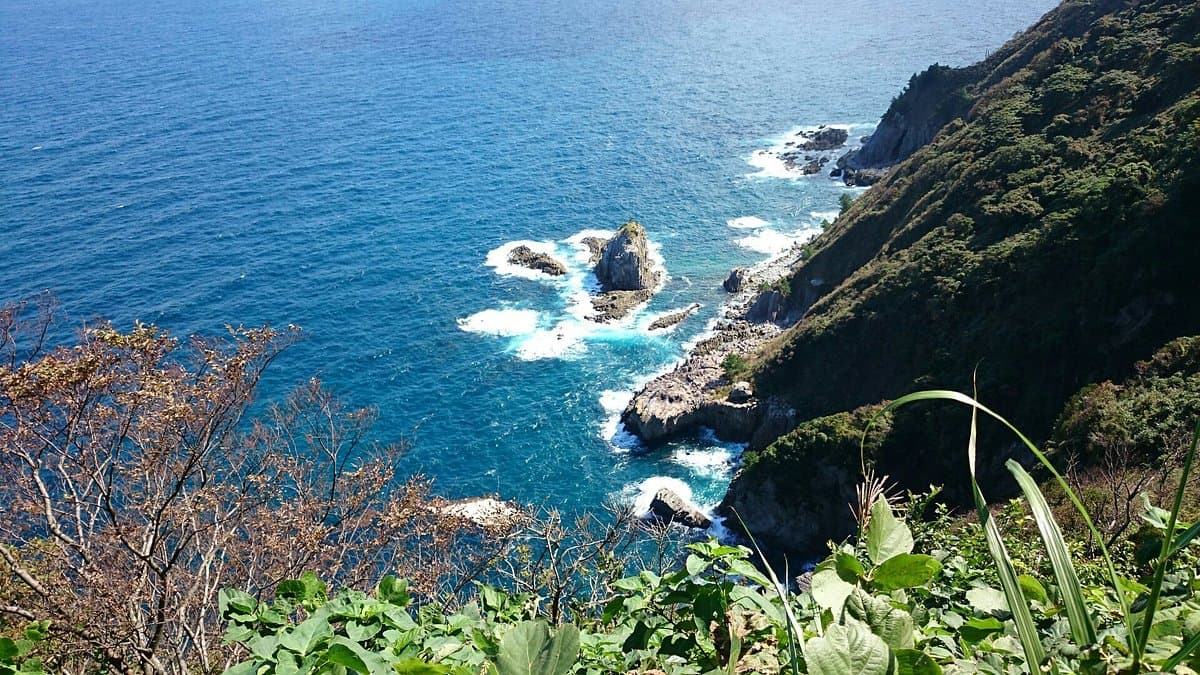
Perched at the northernmost tip of the Tango Peninsula, Kyogamisaki Lighthouse offers breathtaking panoramic views of the Sea of Japan, particularly at sunrise. While the journey can be challenging due to winding roads and potentially difficult paths, visitors are rewarded with dramatic coastal scenery and a sense of remote beauty.
Attraction
Chaos Room
Chaos Room
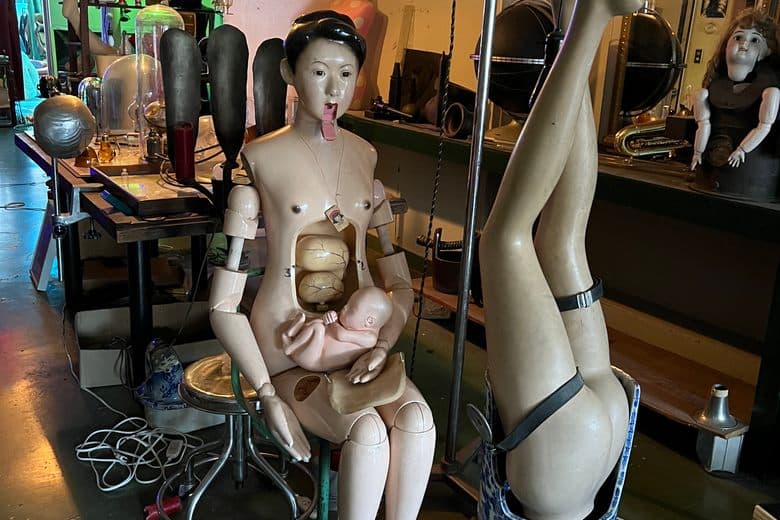
The Chaos Room is a one-room museum in Kyoto, a visual overload of art and objects curated by its owner, Sunamoto Matsuo. Visitors can expect an eccentric collection of reimagined mannequins, medical curiosities, dolls, and paintings, accompanied by unique sound effects.
Attraction
Ichijo Modoribashi Bridge
Ichijo Modoribashi Bridge
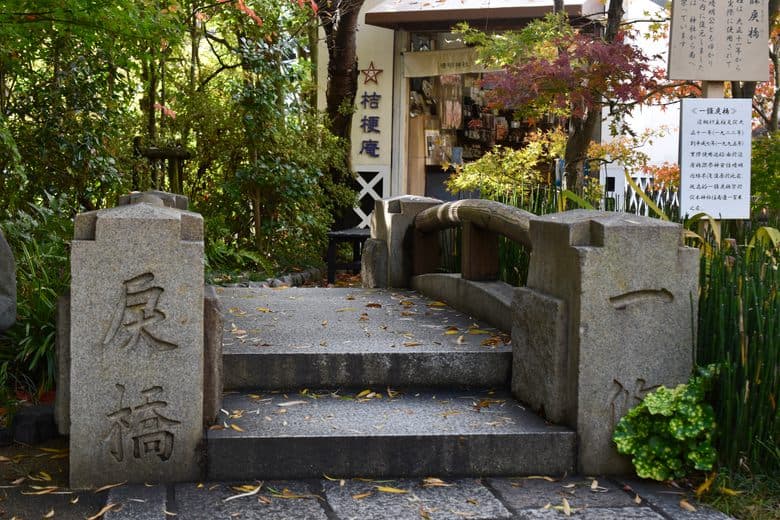
The Ichijo Modoribashi Bridge, known as the 'bridge of return,' is steeped in centuries of Japanese legends involving ghosts, demons, and historical events. While the current structure is a modern reconstruction, visitors are drawn to its rich folklore and its proximity to the Abe no Seimei Shrine, offering a glimpse into Kyoto's mystical past.
Attraction
Statue of Murasaki Shikibu
Statue of Murasaki Shikibu · 紫式部像 · Murasakishikibu Zō
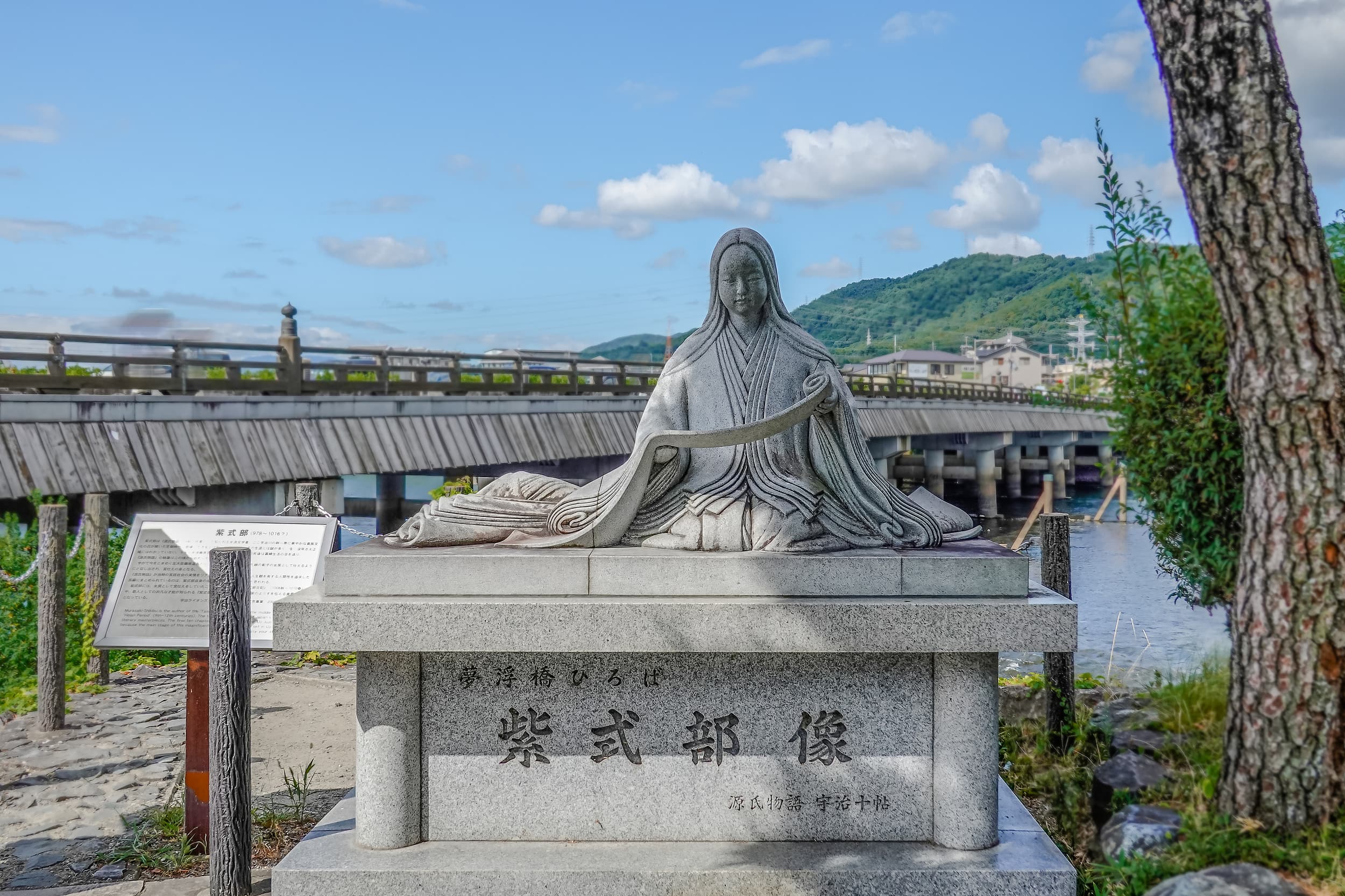
The Statue of Murasaki Shikibu in Uji commemorates the celebrated author of 'The Tale of Genji,' a foundational work of Japanese literature. Located conveniently near the Uji Bridge, it offers a brief cultural interlude for visitors exploring the city's literary connections and scenic riverside.
Attraction
Ukiyoe Small Museum
Ukiyoe Small Museum
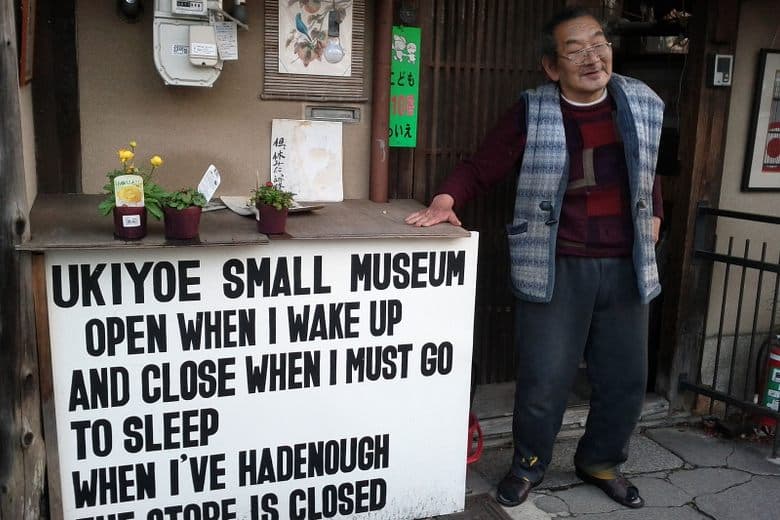
The Ukiyoe Small Museum is a charming, tiny studio showcasing traditional Japanese woodblock prints. Visitors can meet the artist, Ichimura Mamoru, and learn about the intricate process of ukiyo-e, a craft with few remaining practitioners.
Attraction
Umekōji Park
Umekōji Park · 梅小路公園 · Umekōji Kōen
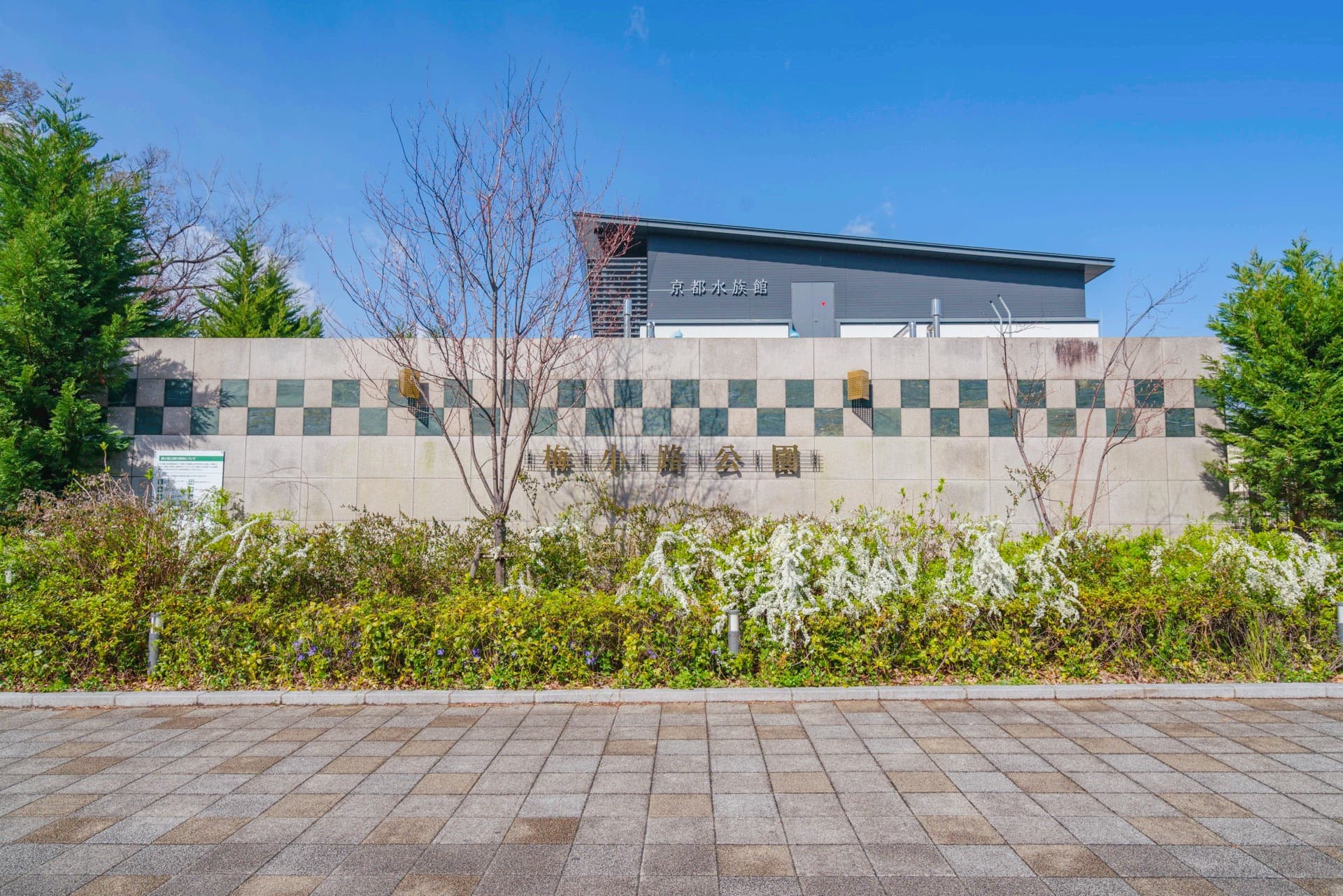
Umekoji Park is a spacious, free urban park in Kyoto, often praised for its family-friendly amenities and proximity to major attractions like the Railway Museum and Aquarium. While some find it an 'ordinary' park, many appreciate its cleanliness, green spaces, and the various events held there, making it a pleasant spot for relaxation.

Attraction
Kyoto Mikane Shrine
Kyoto Mikane Shrine · 御金神社 · Go Kin Jinja
Mikane Shrine, known for its striking golden torii gate, is a small yet popular spot in Kyoto dedicated to wealth and prosperity. Visitors come here to pray for good fortune and purchase unique amulets, often finding it a charming and interesting cultural experience despite its modest size.
Attraction
Tenzan no Yu
Tenzan no Yu · Tenzan no Yu · Tenzan no Yu
Kyoto has more than 140 sentō (public baths) — a tradition that dates back to medieval Japan — and also onsen (hot springs). The buildings that house sentō often resemble Japanese temples, since baths were frequently built at temples. Originally intended for monks, by the Kamakura period (1185–1333) they became popular with everyone. Visiting a bath is a ritual with a number of rules. For example, you must remove your shoes before entering the changing area and walk on reed tatami; women’s changing rooms usually have red noren (curtains), men’s blue; in most sentō people bathe naked, although swimsuits are allowed in some places. Bathhouses expect quiet behavior, alcohol is not permitted, and some establishments refuse entry to people with tattoos (because of associations with the yakuza). Budget public baths cost around 1000 yen per person. Tenzan-no-yu is considered one of the best sentō in the city.
Attraction
Heijō Palace
Heijō Palace · 平城宮 · Heijō-kyū
Nara (50 kilometers) is one of the country's oldest cities and was the capital of Japan from 710 to 784. It is home to eight UNESCO World Heritage sites: Buddhist temples — Todai-ji, which is the largest wooden structure in the world, Kofuku-ji, Gango-ji, Yakushi-ji and Toshodai-ji — the Shinto shrine Kasuga-taisha, Heijō Palace and the Kasuga Nature Park.
Attraction
Michi-no-Eki Tangooukoku Shokunomiyako
Michi-no-Eki Tangooukoku Shokunomiyako
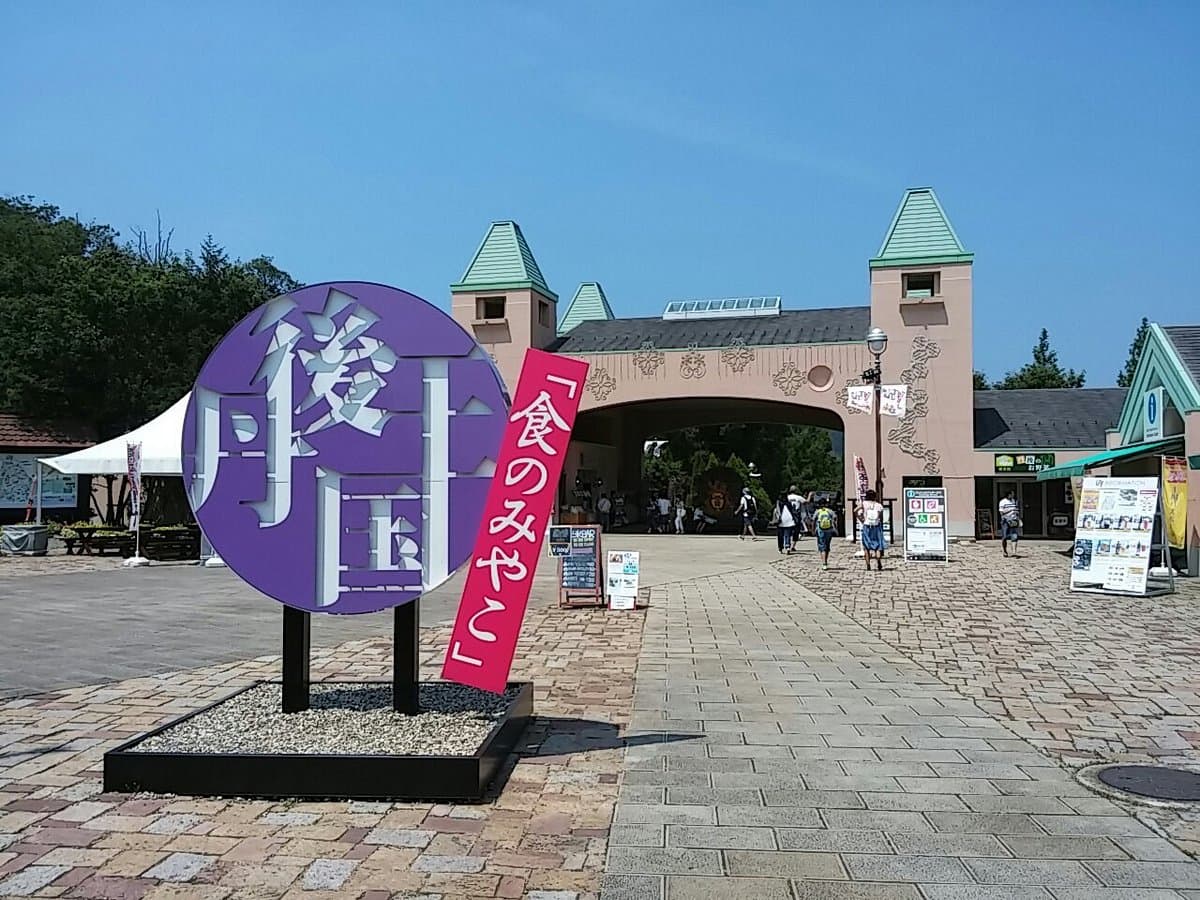
Michi-no-Eki Tangooukoku Shokunomiyako is a family-friendly roadside station and resort in Kyoto Prefecture, offering a range of activities from a small zoo and go-karts to an onsen and farm visits. It's particularly well-suited for families with young children, providing entertainment and dining options.
Attraction
Sodeshi Terraces
Sodeshi Terraces
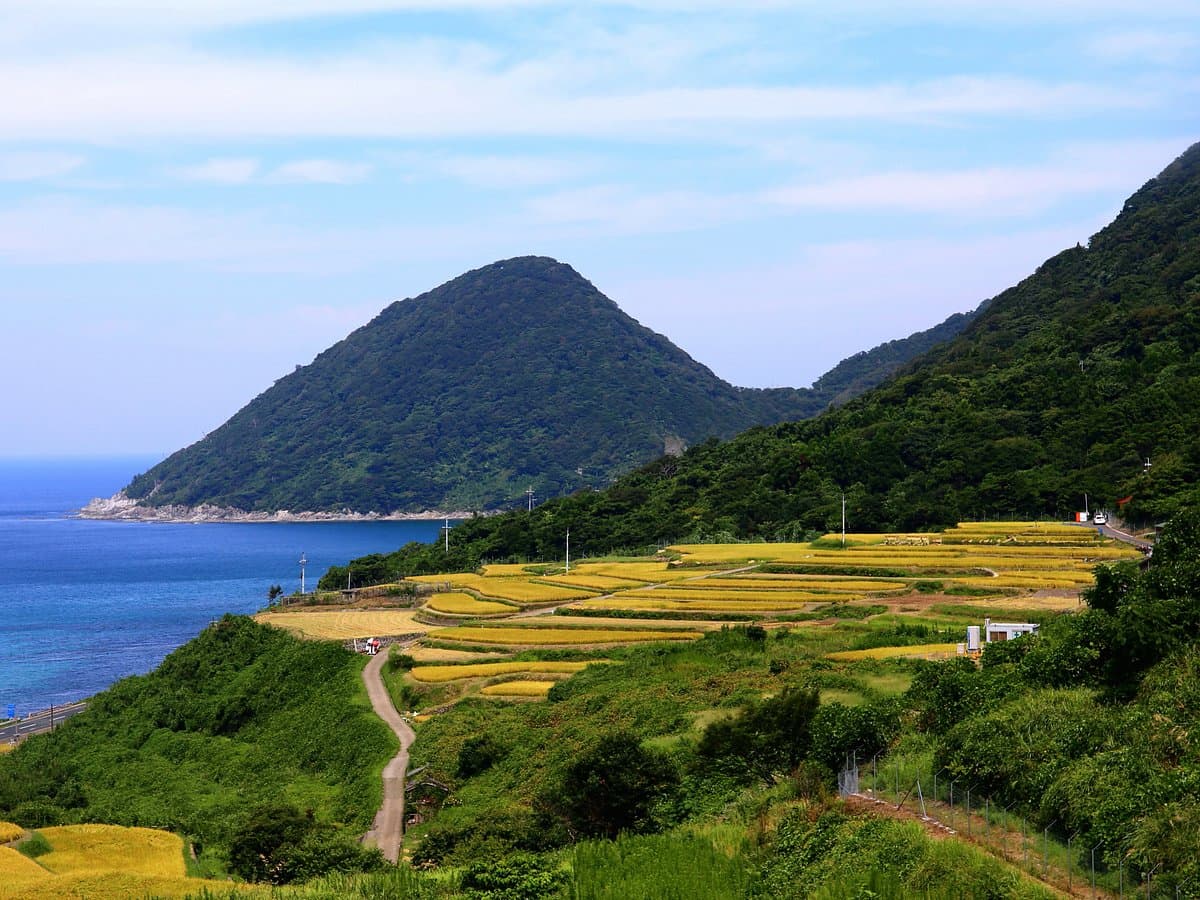
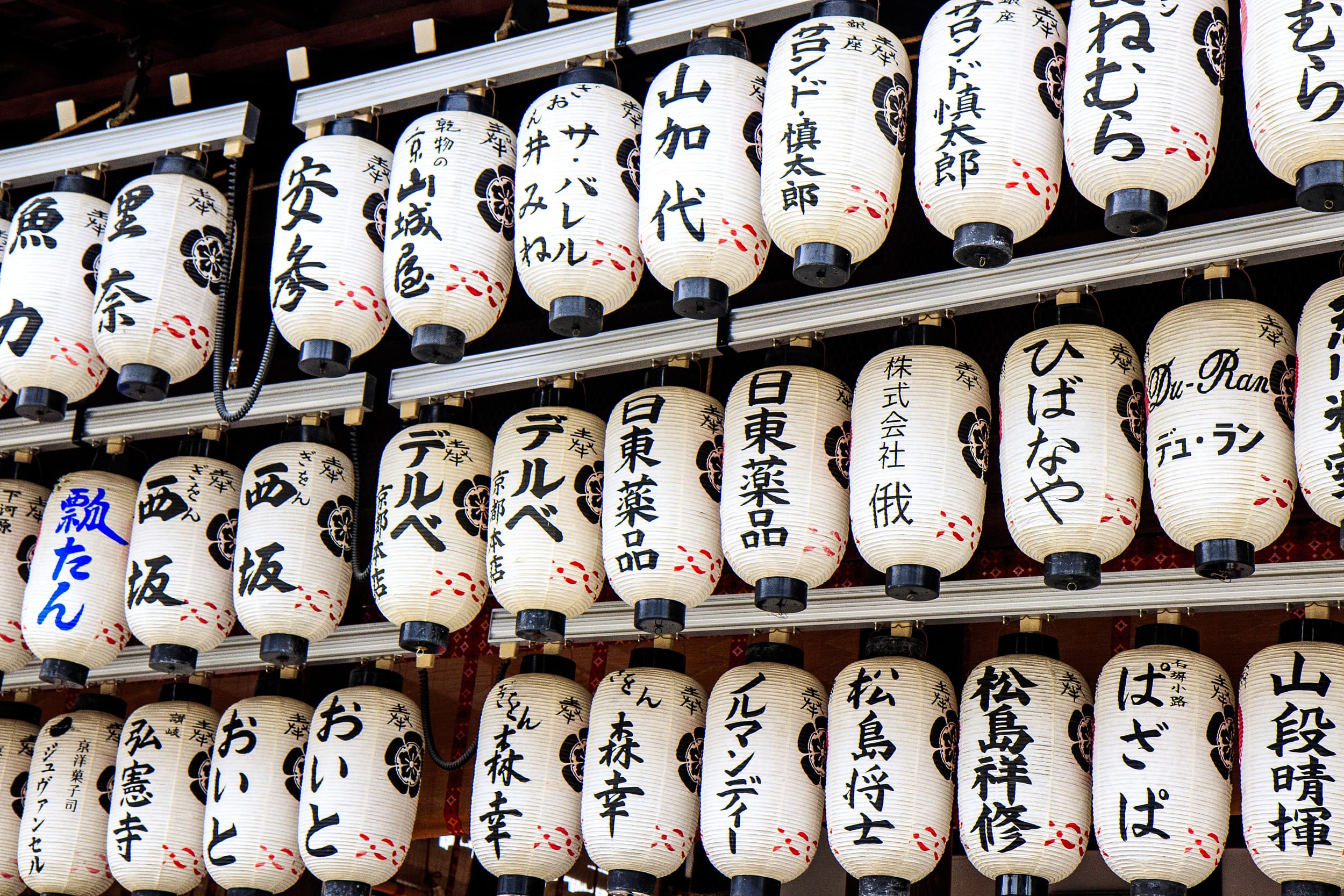
Sodeshi Terraces showcase a beautiful landscape of rice paddies carved into the hillsides, offering stunning views of the Sea of Japan. Visitors appreciate the tranquil atmosphere and the opportunity to witness traditional farming methods in a picturesque setting.
Attraction
Seimei-jinja Shrine
Seimei-jinja Shrine · 晴明神社 · Hare Akira Jinja
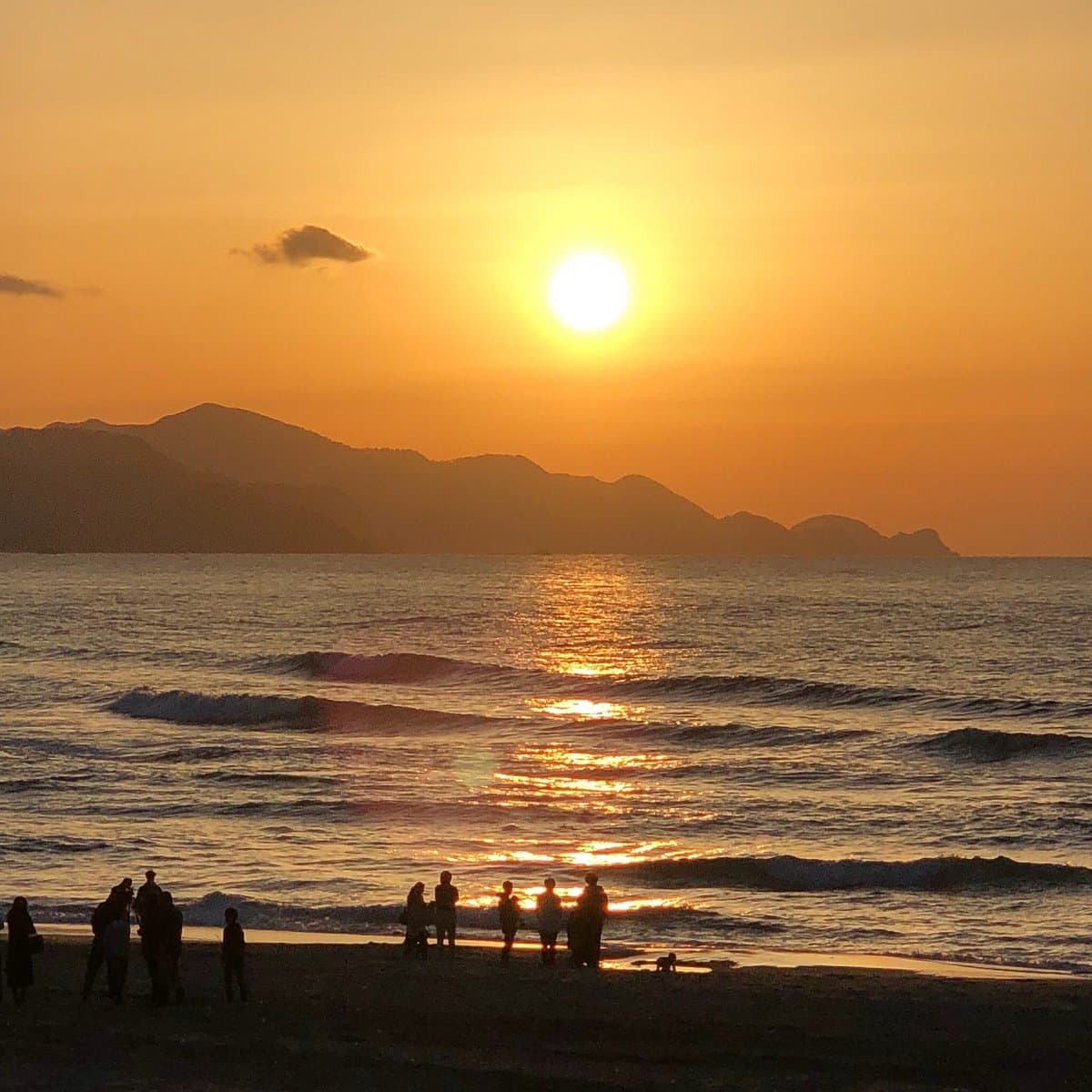
Seimei-jinja Shrine is dedicated to Abe no Seimei, a legendary Onmyoji (feng shui master) from the Heian period. Visitors, especially fans of related anime and movies, come to pay respects, make wishes, and purchase unique amulets. While not large, it offers a quiet and distinctive spiritual experience.
Attraction
Hamazume Beach
Hamazume Beach
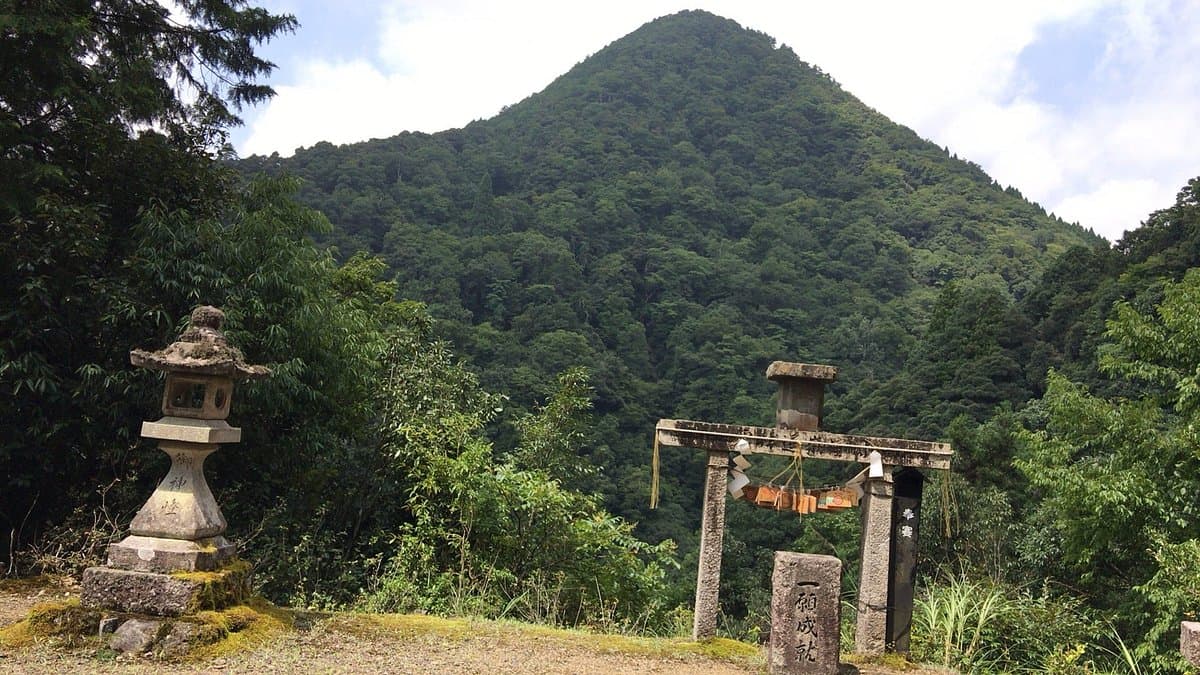
Hamazume Beach offers a serene escape with its distinctive rock formations and clear, calm waters, making it a pleasant spot for swimming and relaxation. Visitors appreciate its natural beauty and less crowded atmosphere compared to more famous beaches. It's a good choice for a peaceful day by the sea.
Attraction
Moto Isenaigu Kotai Shrine
Moto Isenaigu Kotai Shrine
Moto Isenaigu Kotai Shrine offers a tranquil and historically significant experience, often described as a 'power spot' by visitors. It's a place to connect with nature and ancient Japanese spirituality, away from the crowds of more famous shrines.
Attraction
Adashino Nenbutsu-ji
Adashino Nenbutsu-ji · 化野念仏寺 · Adashino Nenbutsu-ji
Adashino Nenbutsu-ji is just a few minutes from Otagi Nenbutsu-ji. Again you'll see a sea of stone Buddha figures. There's also a small bamboo grove, which you will likely enjoy in near solitude — the area is very quiet. Admission: ¥500.
Attraction
Shotenkyo Beach
Shotenkyo Beach
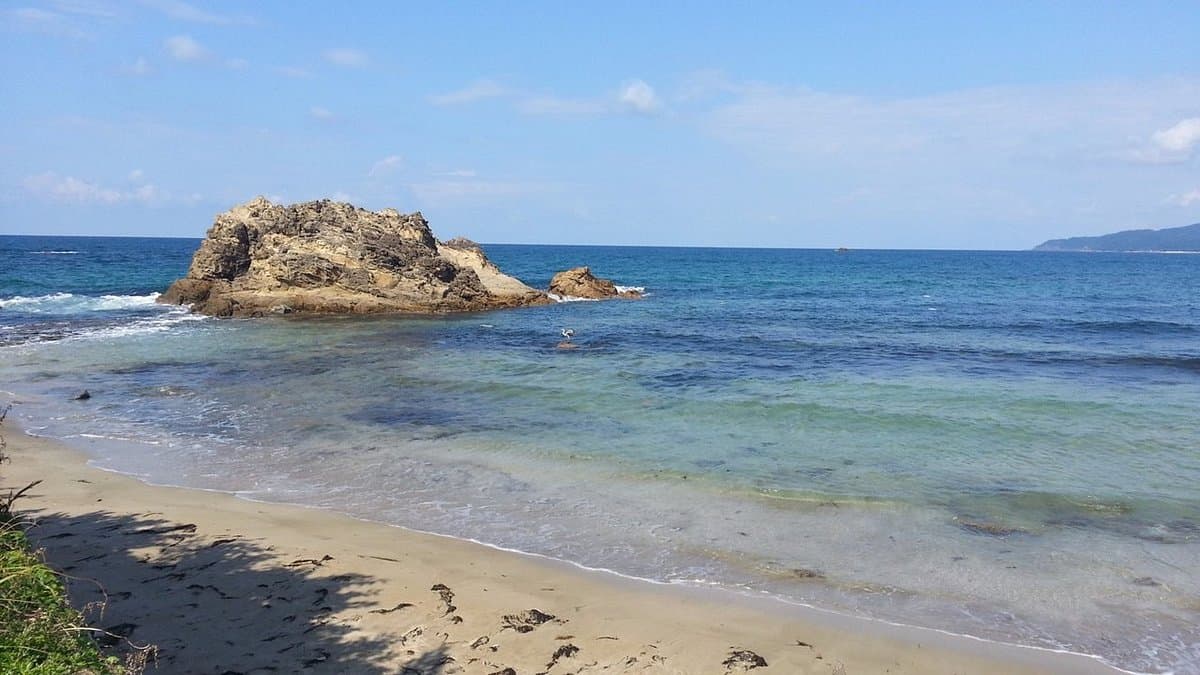
Shotenkyo Beach offers clear, shallow waters and soft, golden sand, a rarity in Japan, making it a pleasant spot for relaxation. Historically a popular resort, it now provides a quieter escape, especially during off-peak hours, surrounded by green pine trees.