Attractions — Kyoto
Attraction
Tōdai-ji
Tōdai-ji · 東大寺 · Tōdaiji
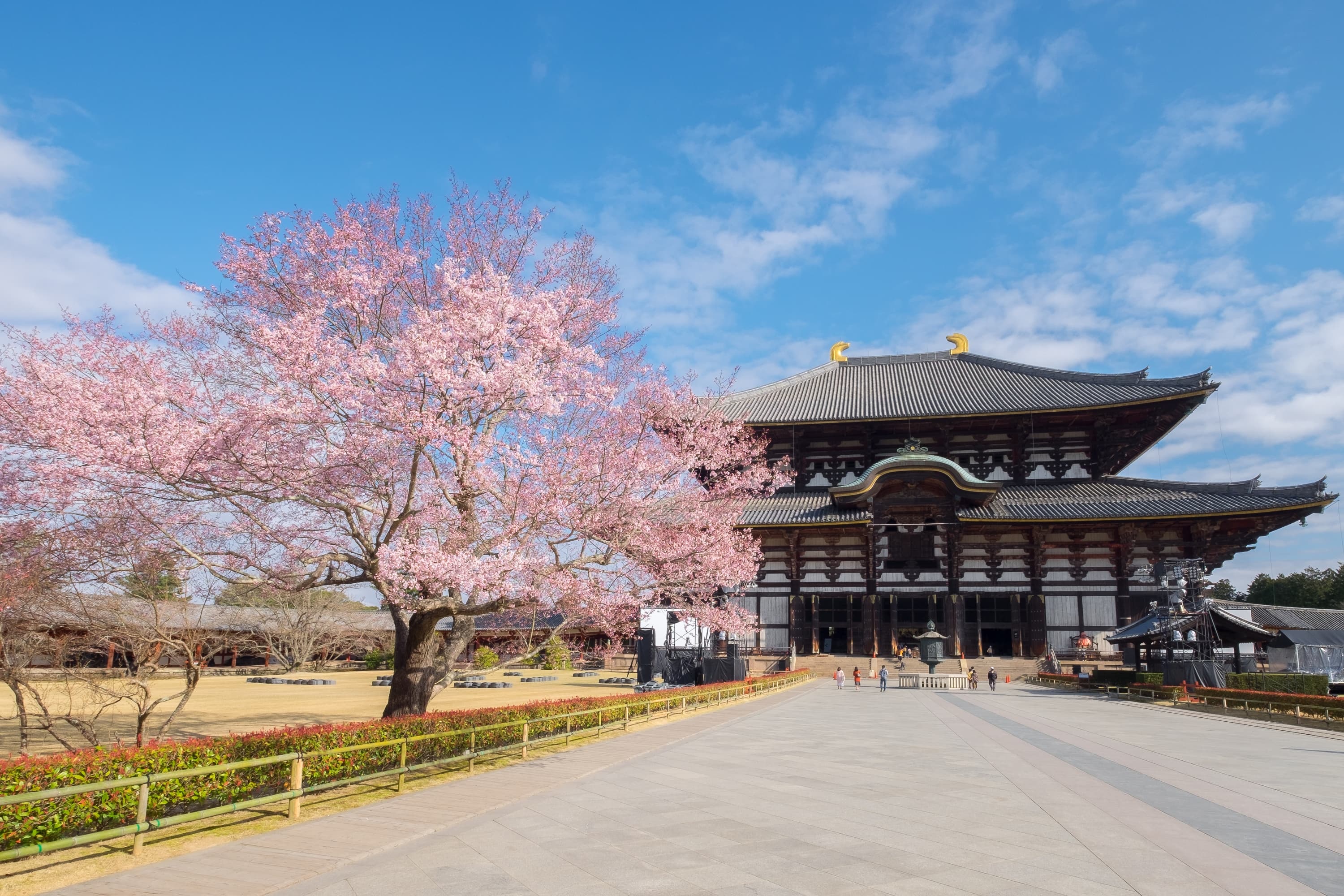
Tōdai-ji Temple, a UNESCO World Heritage site, is renowned for housing the world's largest bronze Buddha statue within its Great Buddha Hall, which is also the world's largest ancient wooden building. Visitors consistently praise its immense scale and historical significance, often noting the unique experience of encountering friendly deer that roam freely around the temple grounds.
Attraction
Historic Monuments of Ancient Kyoto (Kyoto, Uji and Otsu Cities)
Historic Monuments of Ancient Kyoto (Kyoto, Uji and Otsu Cities) · Historic Monuments of Ancient Kyoto (Kyoto, Uji and Otsu Cities) · Historic Monuments of Ancient Kyoto (Kyoto, Uji and Otsu Cities)
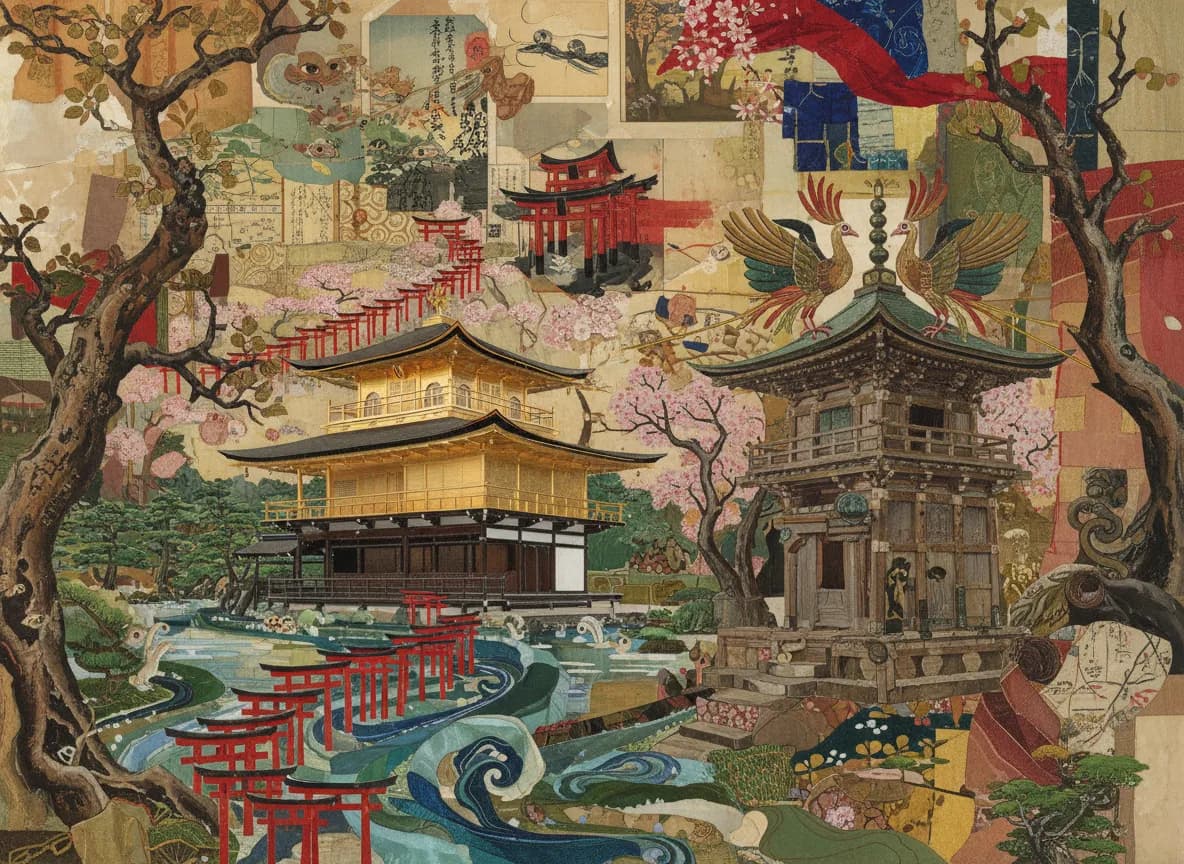
Kyoto's heart of traditional Japan with 17 UNESCO sites including golden Kinkaku-ji, Fushimi Inari's torii gates, and Byodo-in's Phoenix Hall.
Attraction
Arashiyama
Arashiyama · 嵐山 · Arashiyama
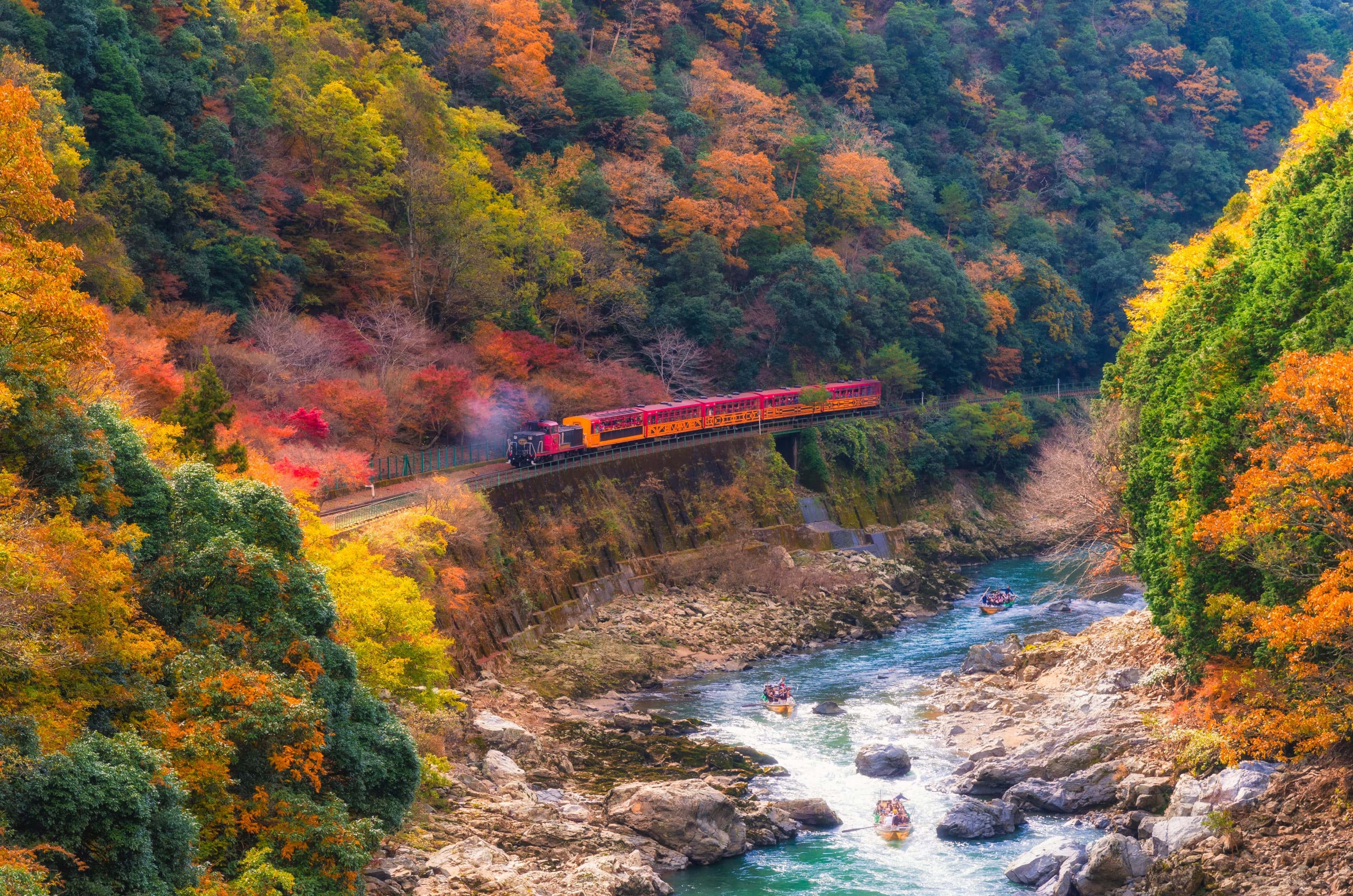
Arashiyama offers a captivating blend of natural landscapes and cultural sites, from the iconic Togetsukyo Bridge and serene bamboo groves to historic temples. Visitors consistently praise its picturesque scenery, especially during cherry blossom and autumn foliage seasons, making it a highly recommended destination for a full day's exploration.
Attraction
Senbon Torii (Thousand Torii Gates)
Senbon Torii (Thousand Torii Gates) · 千本鳥居 · Sembon Torii
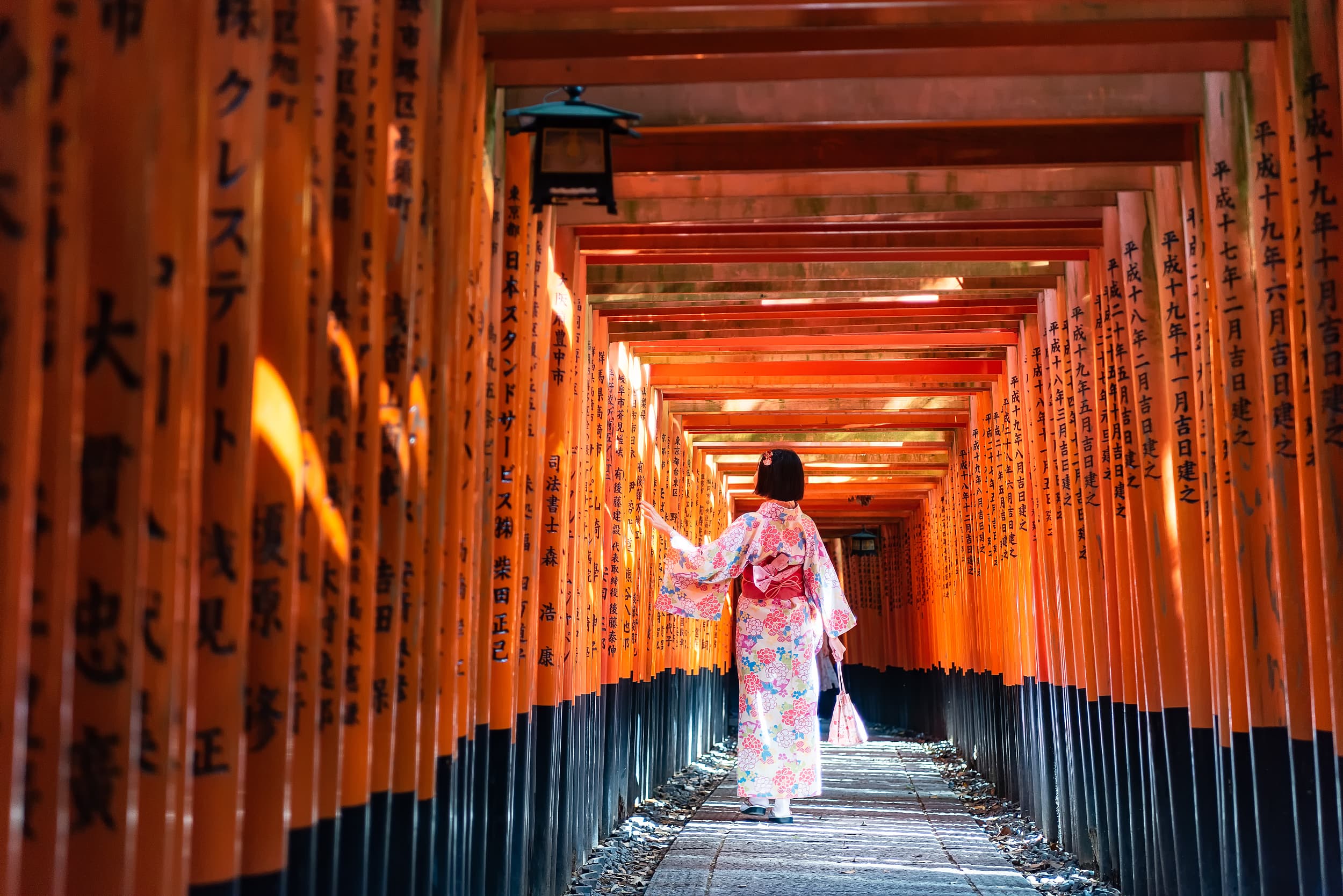
The Senbon Torii, or Thousand Torii Gates, at Fushimi Inari Taisha offers an unforgettable visual experience with its seemingly endless corridors of vibrant vermilion gates. Visitors consistently praise its unique atmosphere, spiritual feel, and photogenic qualities, making it a quintessential Kyoto attraction.
Attraction
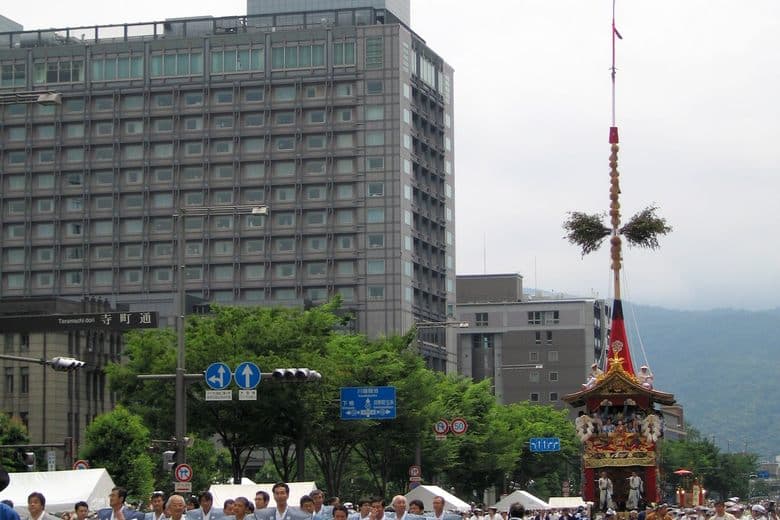
Yamaboko Festival in Kyoto - Gion Festival
Yamaboko Festival in Kyoto - Gion Festival
The Gion Festival, with its spectacular Yamaboko Float Parade, is one of Japan's oldest and most revered annual events. Witness massive, intricately decorated floats, some weighing over ten tons and built without nails, being pulled through Kyoto's streets, accompanied by traditional music and costumed participants.
Attraction
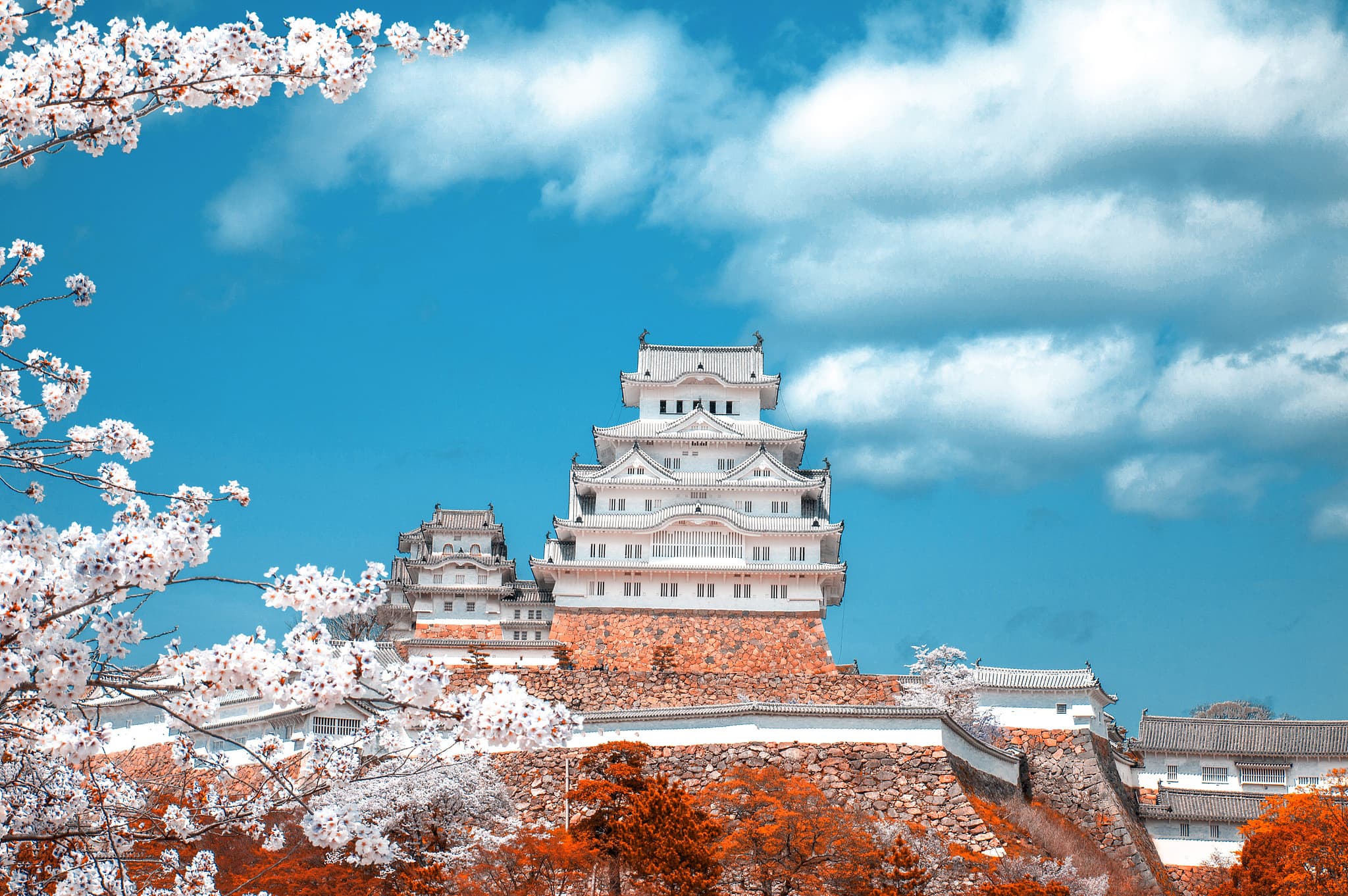
Himeji Castle (White Heron Castle)
Himeji Castle (White Heron Castle) · 姫路城 · Himejijō
Himeji Castle, often called the "White Egret Castle" for its stunning white exterior, is Japan's most magnificent and best-preserved feudal castle. Visitors consistently praise its grand scale, intricate wooden architecture, and the immersive experience of climbing its six stories, offering a deep dive into Japanese history and breathtaking views.
Attraction
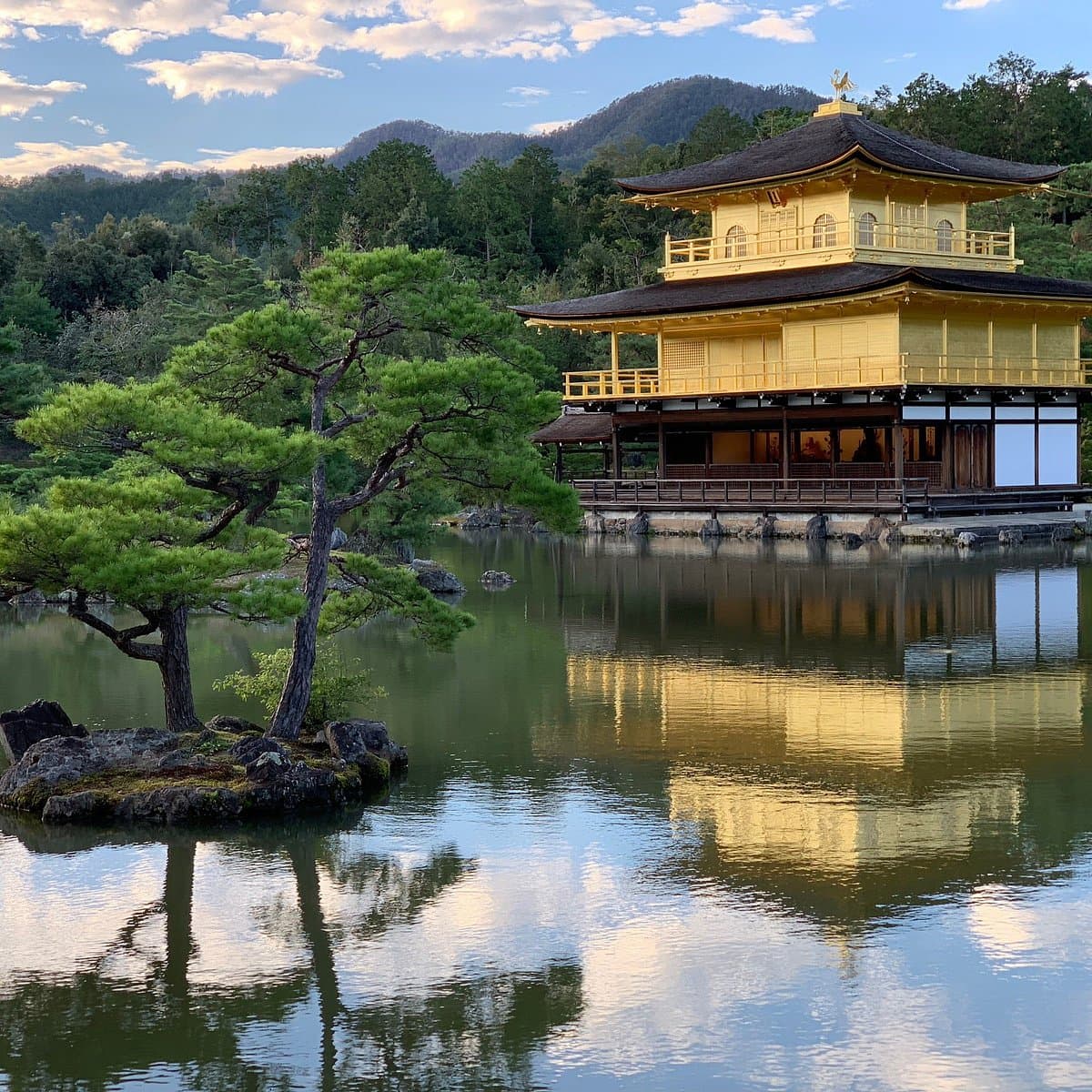
Kinkakuji Temple
Kinkakuji Temple
Kinkakuji Temple, also known as the Golden Pavilion, is a breathtaking Zen Buddhist temple in Kyoto, famous for its top two floors covered in dazzling gold leaf. Its reflection in the surrounding pond creates a magical, picture-perfect scene that deeply impresses visitors, making it a highlight of any Kyoto itinerary.
Attraction
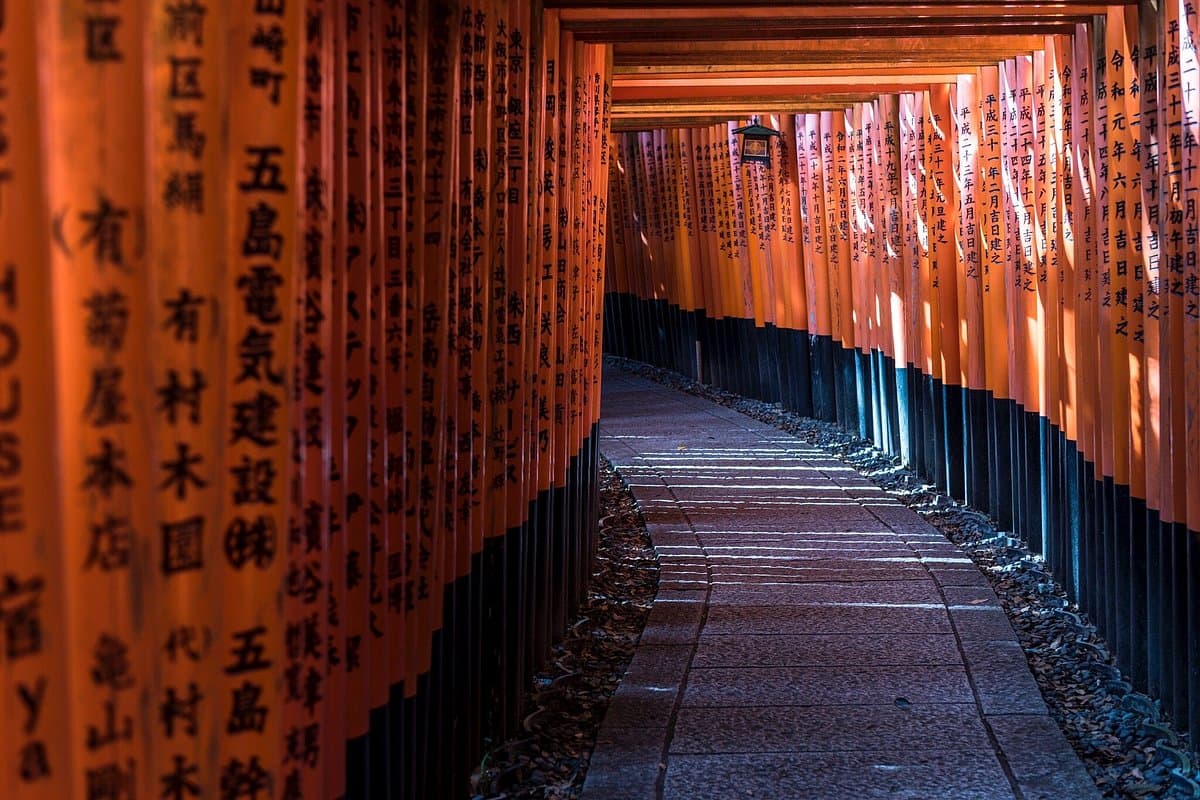
Fushimi Inari-taisha Shrine
Fushimi Inari-taisha Shrine
Fushimi Inari-taisha Shrine captivates visitors with its thousands of vibrant vermilion torii gates winding up Mount Inari, creating an unforgettable tunnel-like experience. It's a spiritual journey dedicated to Inari, the Shinto god of rice and business, offering both stunning photo opportunities and a peaceful hike away from the city's bustle.
Attraction
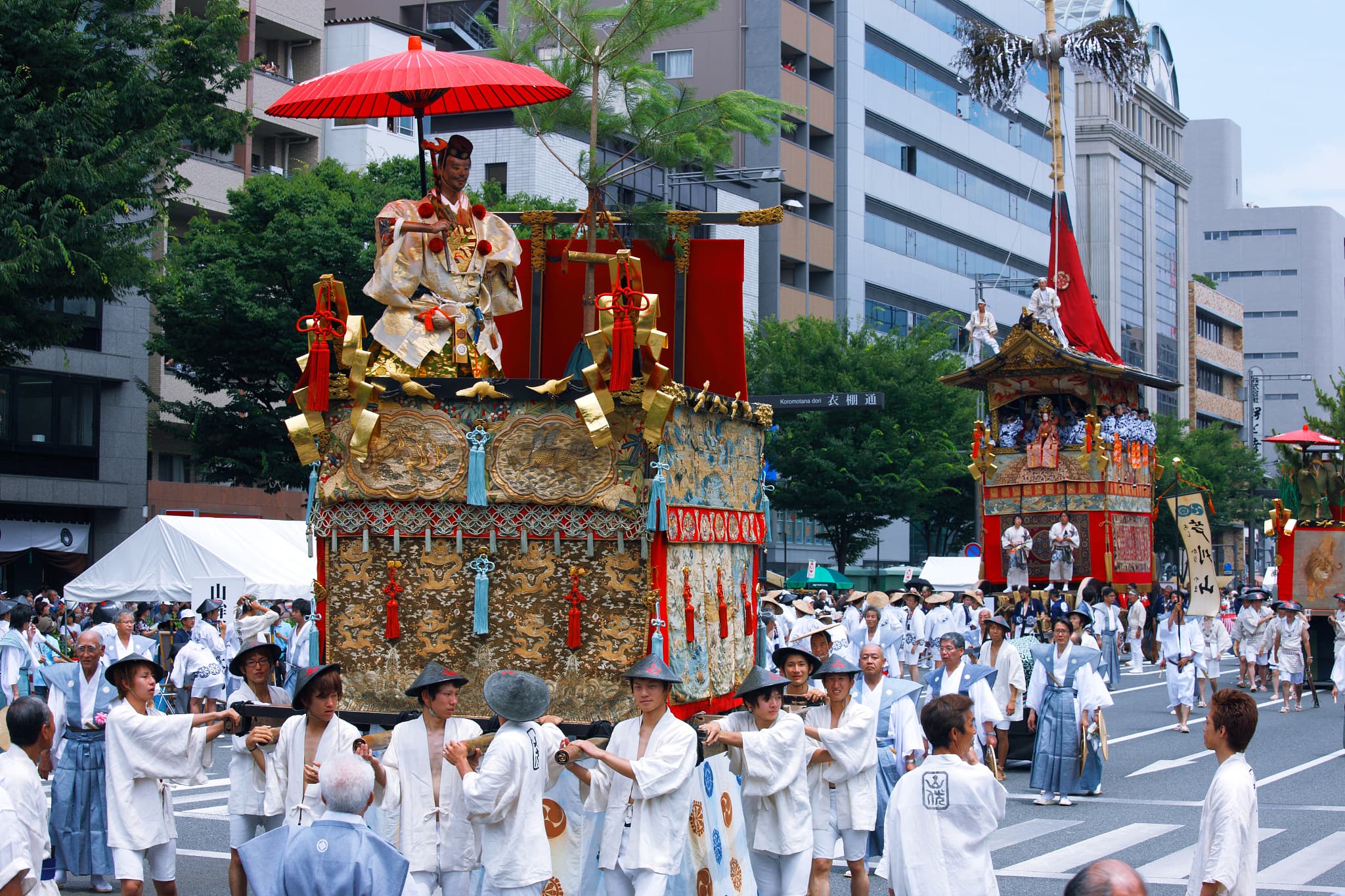
Kyoto Gion Matsuri
Kyoto Gion Matsuri · 京都祇園祭 · Kyōto Giommatsuri
The Gion Matsuri is Kyoto's most famous festival, spanning the entire month of July with its main highlight being the spectacular Yamahoko float parades. Visitors can experience a vibrant atmosphere, intricate traditional floats, and lively street scenes, often described as a 'moving art museum.'
Attraction
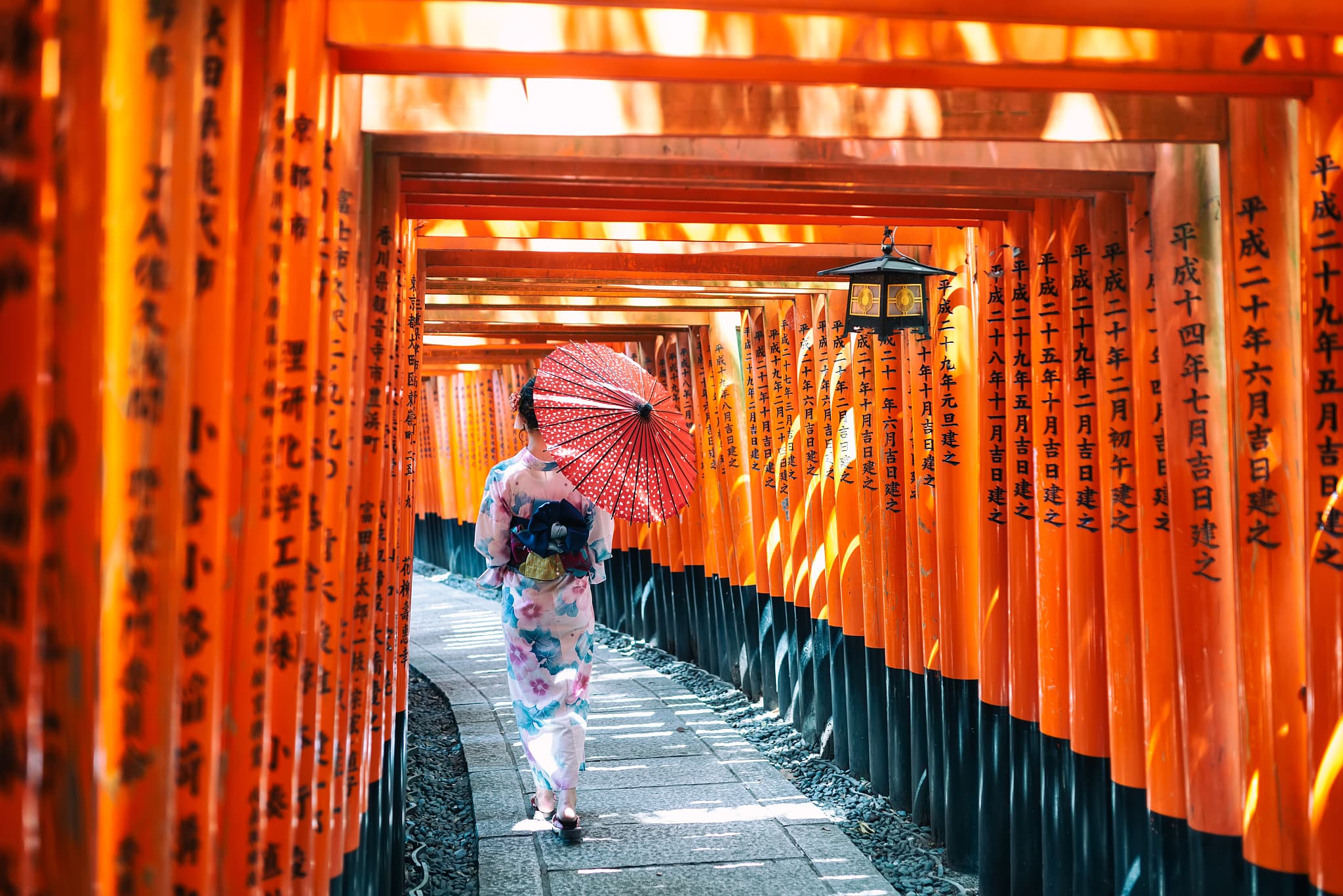
Fushimi Inari Shrine
Fushimi Inari Shrine · 伏見稲荷大社 · Fushimi Inari Taisha
Fushimi Inari Taisha is Kyoto's most visually striking shrine, famous for its thousands of vermilion torii gates winding up Mount Inari. Visitors can hike through these iconic tunnels, encountering fox statues and smaller shrines, while enjoying panoramic views and a unique spiritual atmosphere.
Attraction
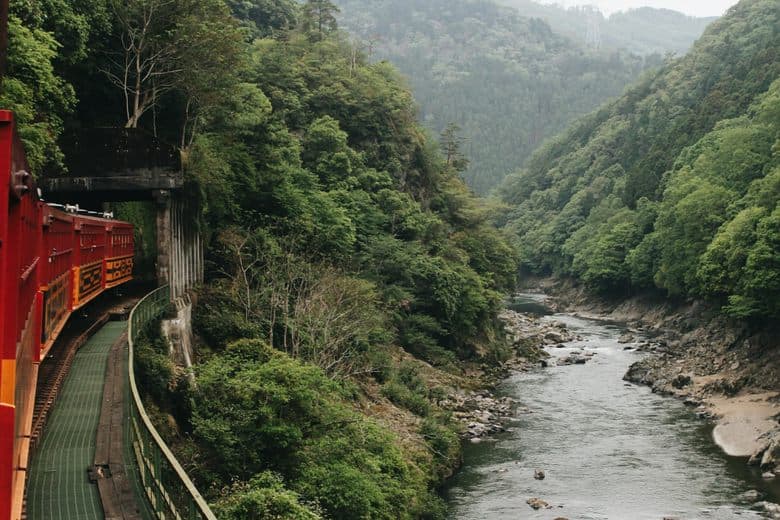
Sagano Scenic Railway
Sagano Scenic Railway
Experience Kyoto's natural beauty aboard the Sagano Scenic Railway, also known as the Sagano Romantic Train. This charming, old-fashioned train meanders along the Hozugawa River, offering panoramic views that transform with each season, from cherry blossoms to vibrant autumn foliage.
Attraction
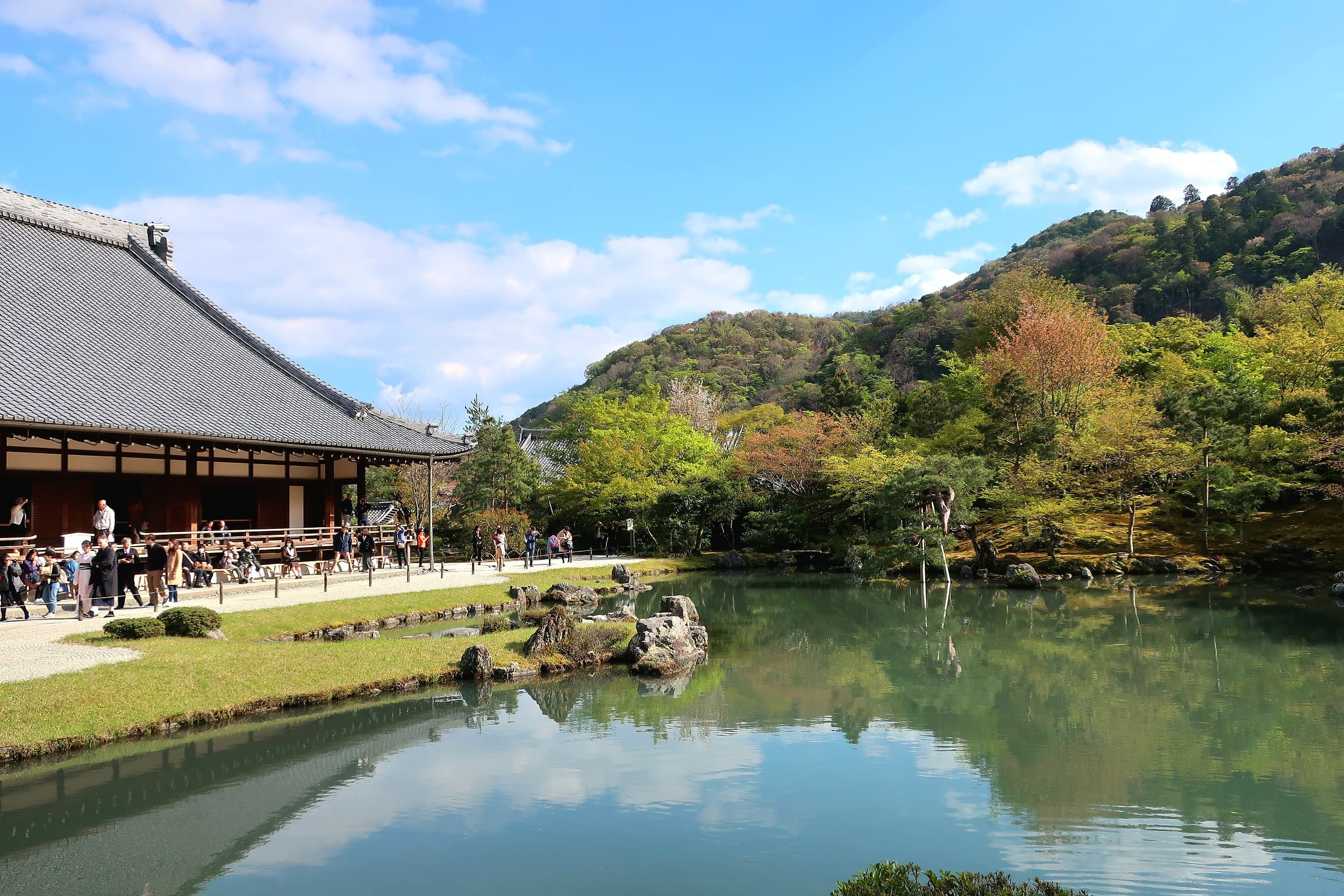
Tenryu-ji Temple
Tenryu-ji Temple · 天龍寺 · Tenryū Tera
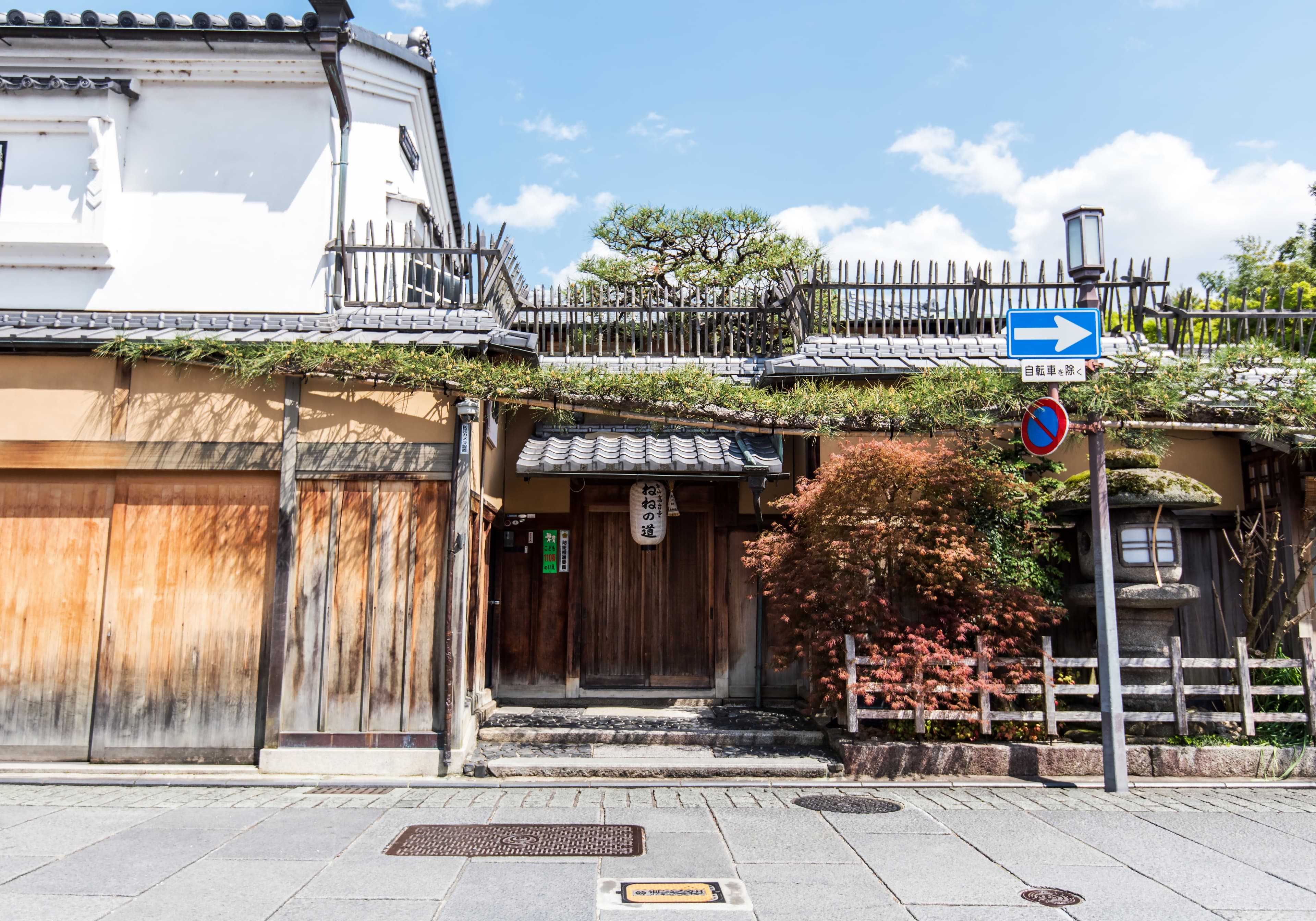
Tenryu-ji is a UNESCO World Heritage site renowned for its exquisite Zen garden, which seamlessly blends traditional design with the natural beauty of the Arashiyama mountains. Visitors consistently praise the garden's tranquility and seasonal beauty, making it a must-see for anyone exploring Kyoto's cultural landscape. While the temple buildings offer historical context, the garden is the primary draw, offering a peaceful escape and stunning photographic opportunities.
Attraction
Gion
Gion · Gion · Gion
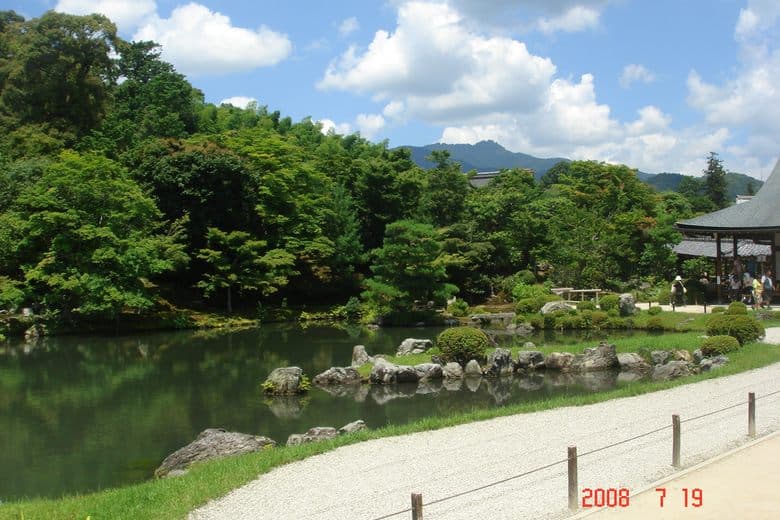
Gion is Kyoto's historic geisha district, renowned for its beautifully preserved traditional wooden machiya houses, charming teahouses, and atmospheric lantern-lit streets. Visitors flock here to experience old-world Japan, browse unique craft shops, and hope for a rare glimpse of a geisha or maiko hurrying to an engagement.
Attraction
Tenryu-Ji Shrine's Bamboo Trail
Tenryu-Ji Shrine's Bamboo Trail
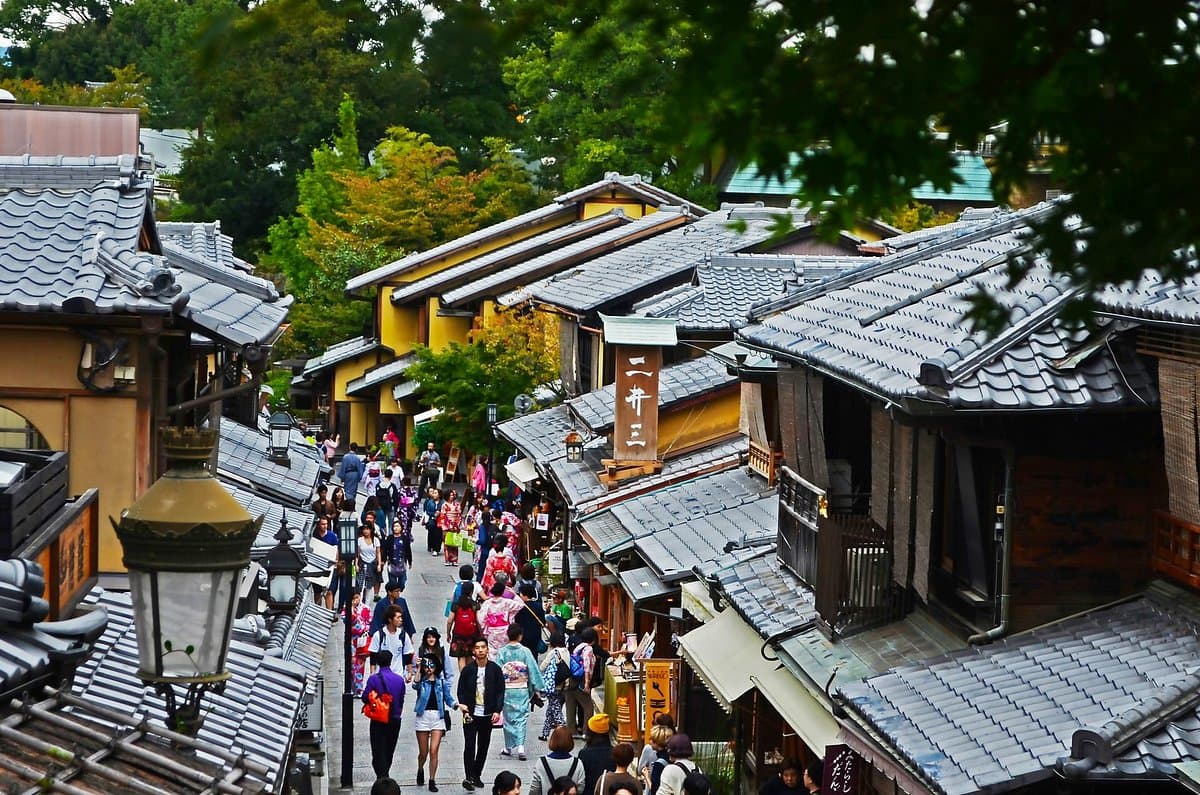
Immerse yourself in the ethereal beauty of Tenryu-Ji Shrine's Bamboo Trail, a captivating path lined with towering bamboo stalks. This UNESCO World Heritage site offers a tranquil escape, inviting visitors to stroll through its ancient Zen garden and experience a unique natural wonder.
Attraction
Kyoto Free Walking Tour
Kyoto Free Walking Tour
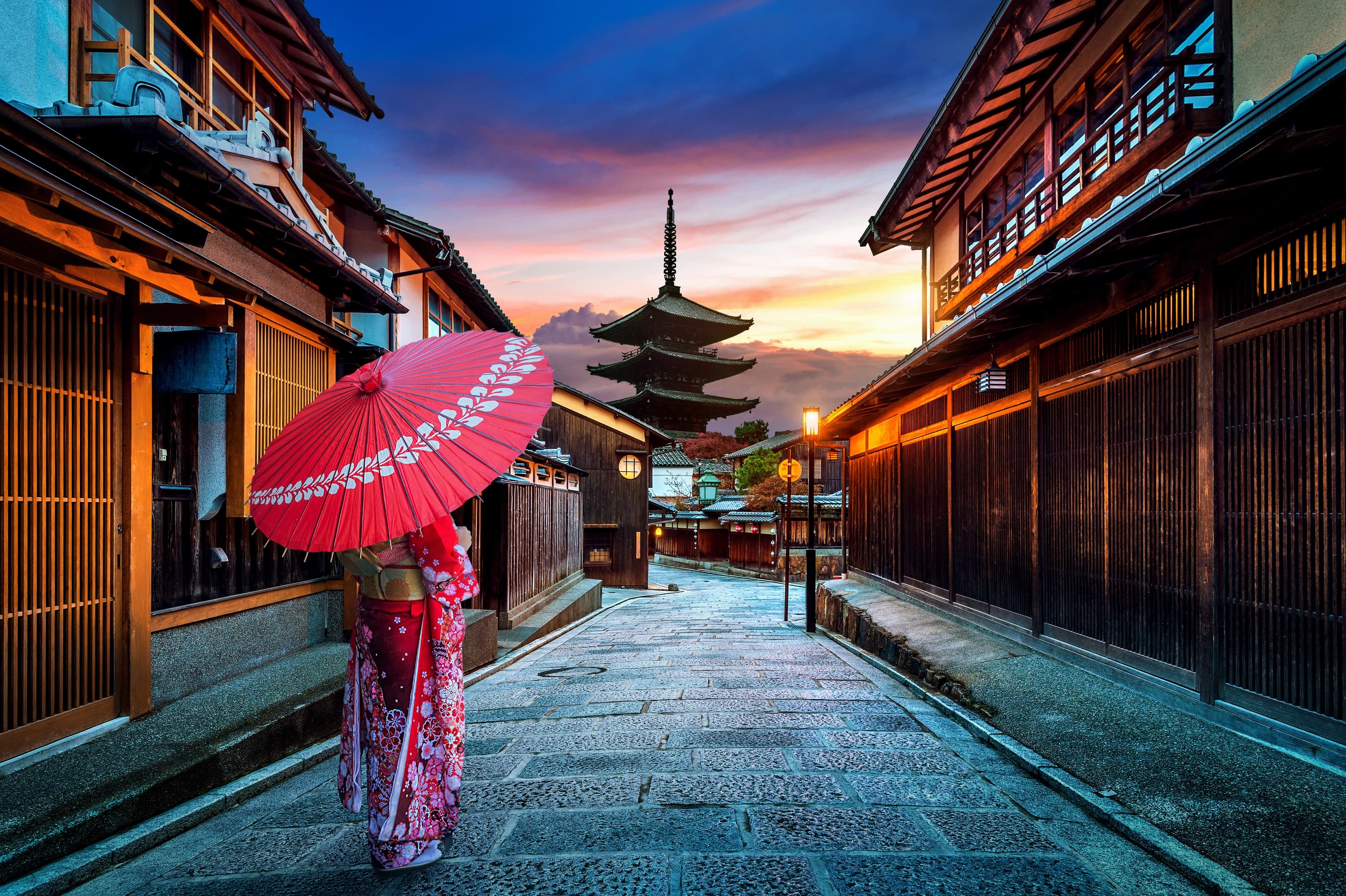
The Kyoto Free Walking Tour offers an engaging and informative exploration of Kyoto, primarily focusing on the historic Gion district and its geisha culture. Visitors consistently praise the knowledgeable and enthusiastic guides who provide deep insights into Japanese traditions and offer practical recommendations for further exploration.
Attraction
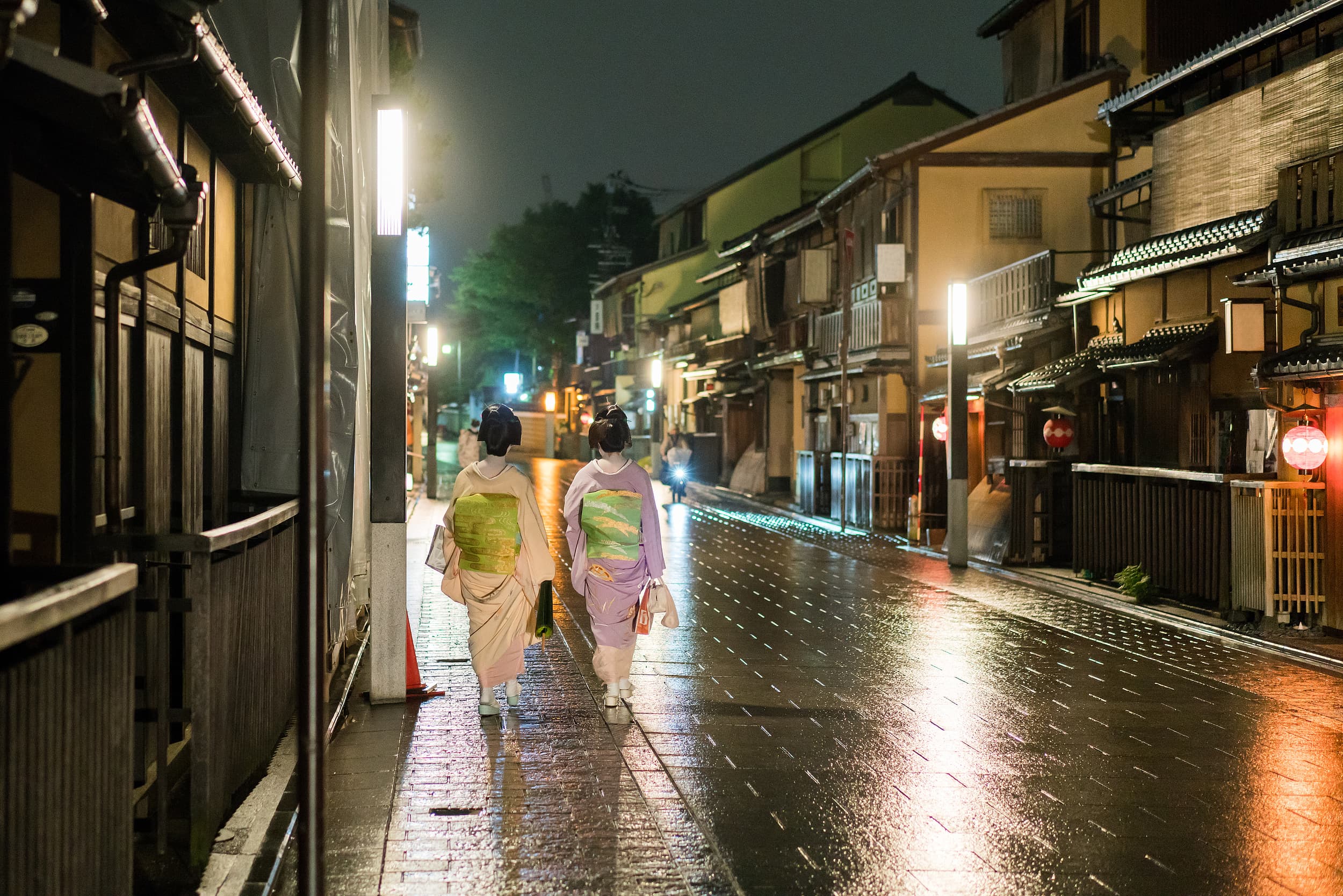
Sannenzaka
Sannenzaka · Sannenzaka · San Yasushi Zaka ( San Nen Zaka )
Sannenzaka and Ninenzaka are charming, historic pedestrian streets in Kyoto's Higashiyama district, famous for their beautifully preserved traditional wooden houses, stone steps, and artisan shops. They offer a unique glimpse into old Japan, leading visitors through a vibrant atmosphere filled with local crafts, snacks, and photo opportunities, especially with the iconic Yasaka Pagoda as a backdrop.
Attraction
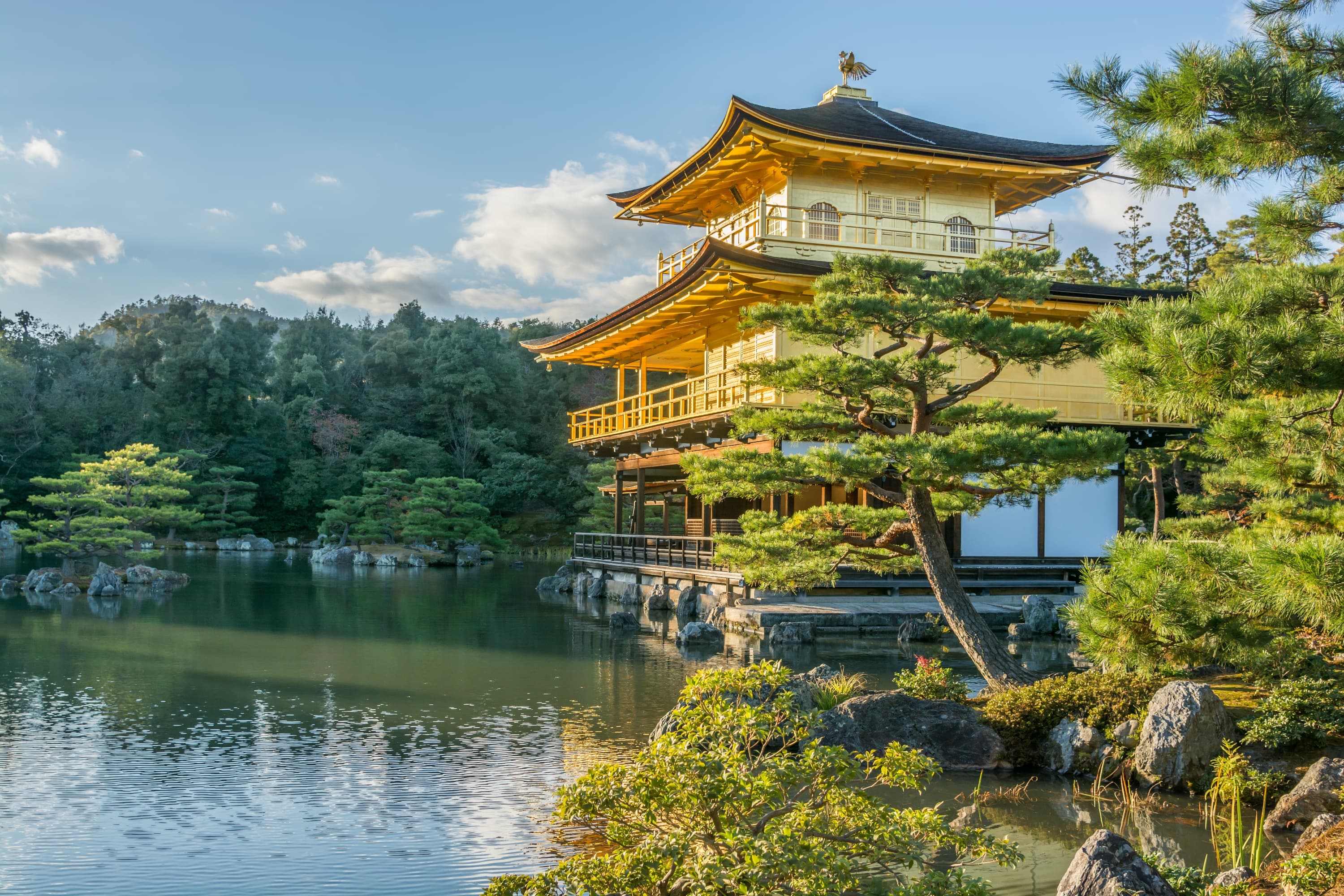
Hanamikoji-dori
Hanamikoji-dori · 花見小路通 · Hanami Kōji Dōri
Hanamikoji-dori is a 1-kilometre preserved geisha street in Kyoto's Gion district, lined with traditional wooden teahouses and restaurants dating back to the Edo period. Visitors come primarily to experience authentic old Japan and potentially glimpse geisha in their traditional attire, though the street has become increasingly crowded with tourists in recent years. The atmosphere shifts dramatically between north (modern bars) and south (traditional teahouses), and early morning visits offer a markedly different, quieter experience than evenings.
Attraction
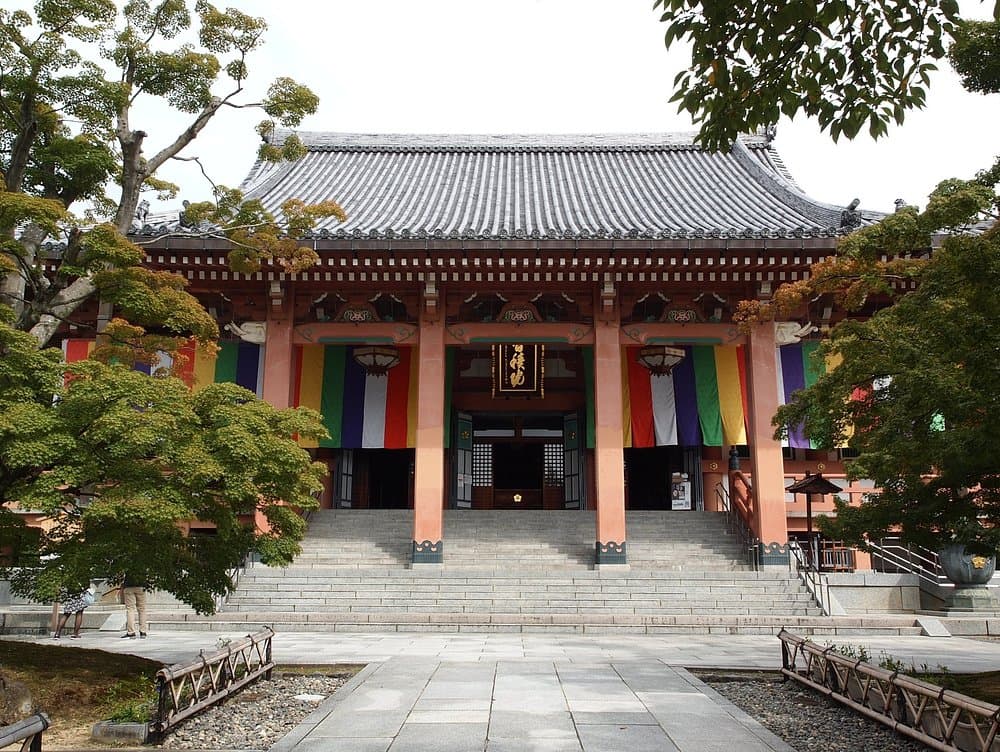
Kinkaku-ji (Golden Pavilion)
Kinkaku-ji (Golden Pavilion) · 金閣寺 · Kinkakuji
Kinkaku-ji, the Golden Pavilion, is a stunning Zen Buddhist temple in Kyoto, famous for its top two floors entirely covered in gold leaf. Reflected beautifully in the surrounding pond, it offers a breathtaking sight that captivates visitors with its historical significance and serene beauty.
Attraction
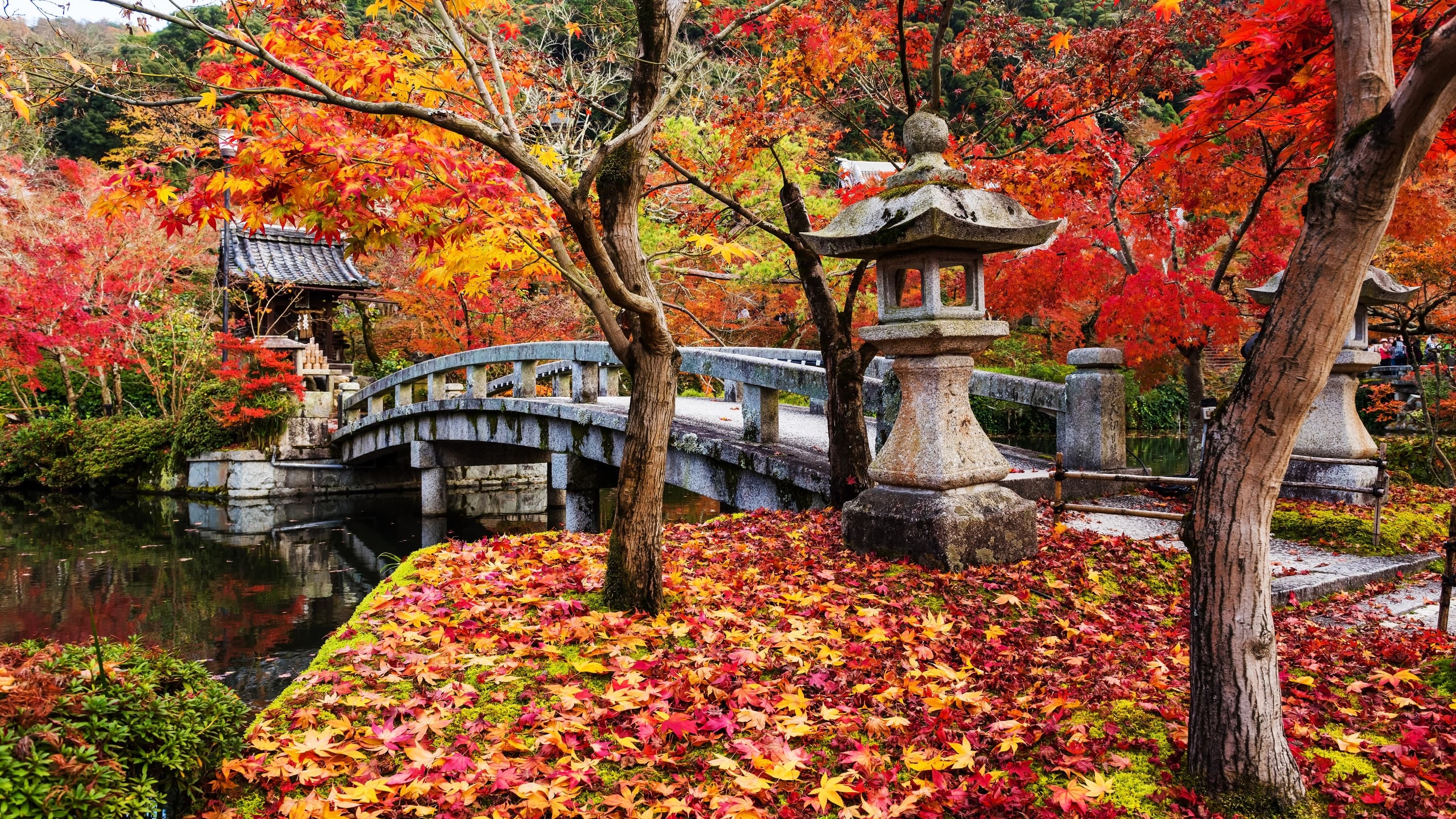
Chishakuin Temple
Chishakuin Temple · 総本山 智積院 · Sōhonzan Chishaku In
Sanjusangendo Temple is renowned for its awe-inspiring main hall, housing 1,001 life-sized statues of Kannon, the Buddhist goddess of mercy, alongside a massive central Kannon and guardian deities. Visitors consistently describe the experience as breathtaking and unlike any other temple in Kyoto, despite the strict no-photography rule inside.
Attraction
Eikando Temple
Eikando Temple · 禅林寺 (永観堂) · Zenrinji ( Eikandō )
Eikando Temple, also known as Zenrin-ji, is renowned as one of Kyoto's premier spots for autumn foliage, transforming into a vibrant spectacle of red, orange, and yellow. Beyond its seasonal beauty, visitors praise its expansive, tranquil gardens, unique architecture, and the distinctive 'over-the-shoulder' Amida Buddha statue. It offers a peaceful escape with stunning views, particularly from its pagoda.