 Tabelog rating
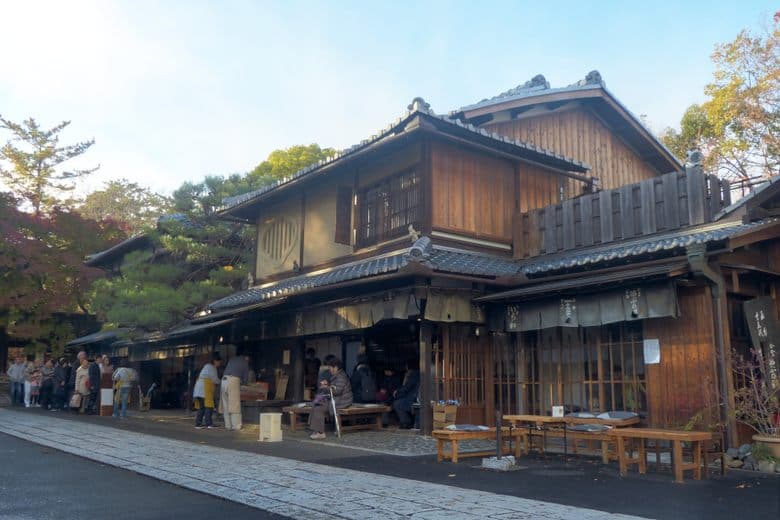
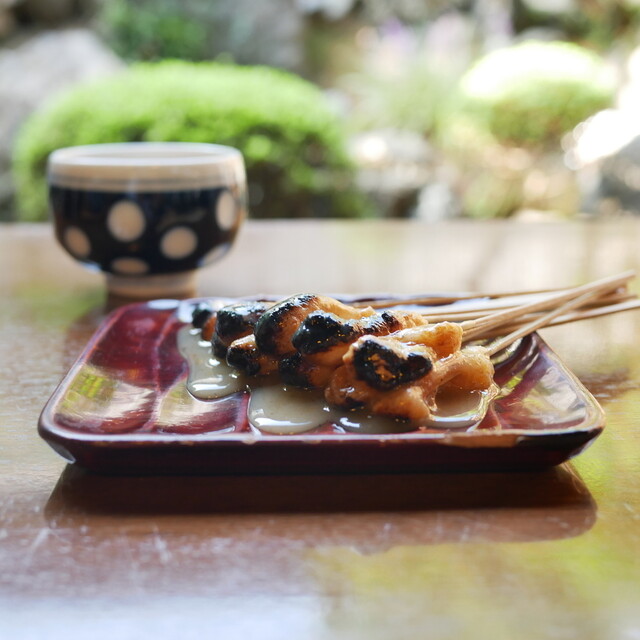
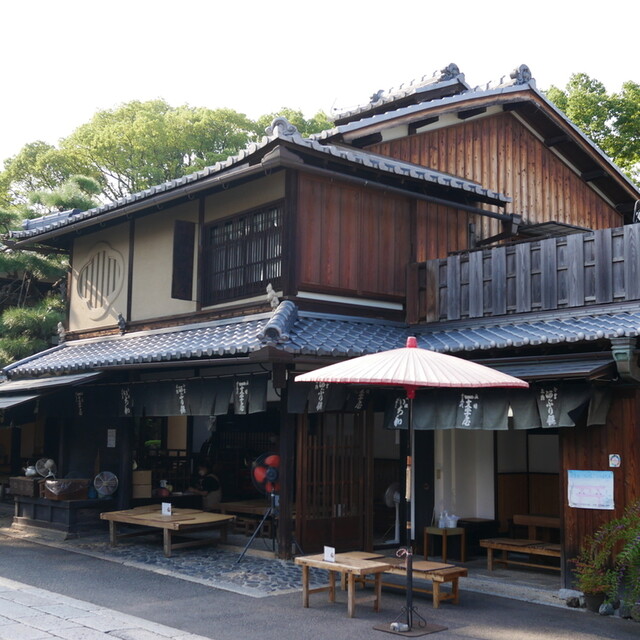
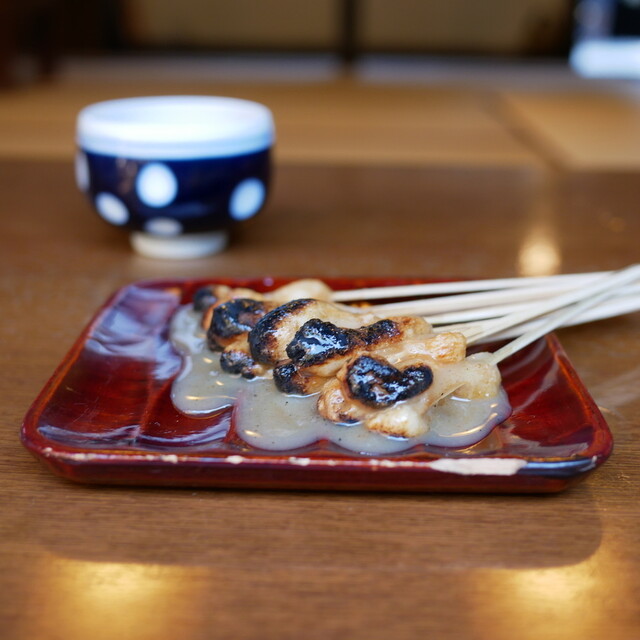
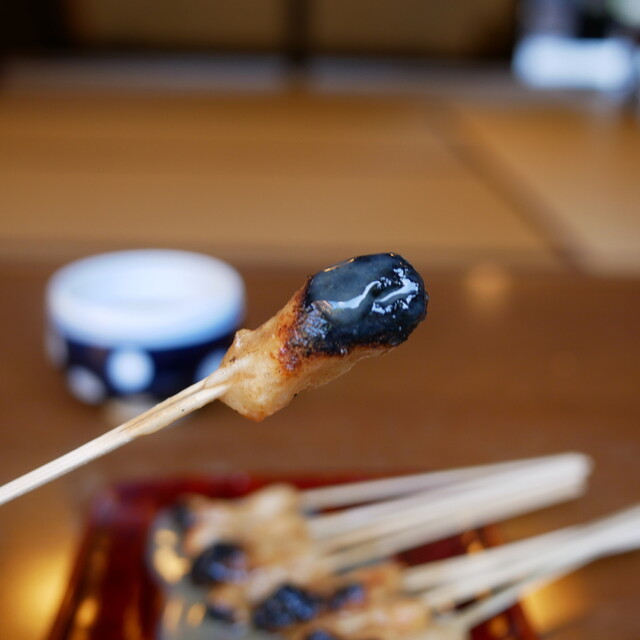
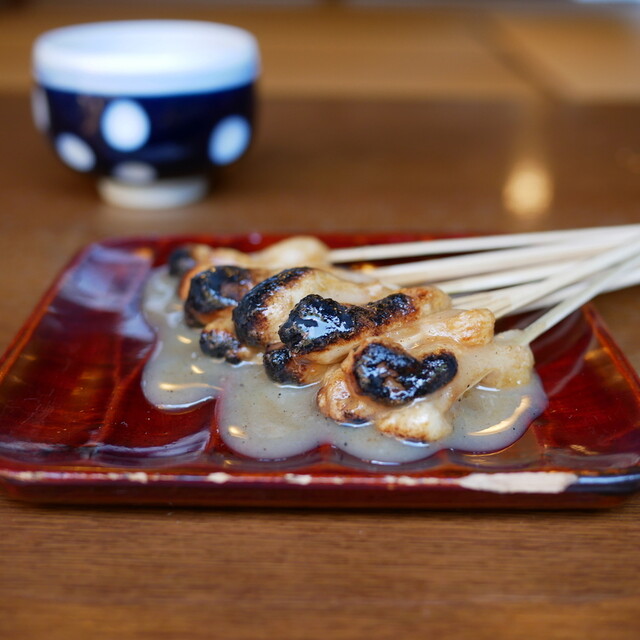
Founded in the year 1000, Ichiwa Ichimonjiya Wasuke (一和 一文字屋 和輔) is one of Japan's oldest confectioners. Located on the path to Imamiya Shrine in Kyoto, this ancient teahouse serves just one thing: aburi-mochi. Small skewers of mochi are grilled to order over high-quality binchotan charcoal, then brushed with a delicate sauce of sweet white miso and kinako (roasted soybean flour).
The experience is a ritual. Guests sit on tatami mats, often with a view of a small garden, and are served a plate of freshly grilled skewers. Reviewers consistently praise the smoky aroma from the charcoal, the perfect balance of the sauce, and the hot tea (sencha or hojicha) that accompanies the snack. The historic atmosphere is as much a part of the appeal as the food itself.
The shop's fame means queues are common, with waits of up to an hour reported during busy periods. A few visitors have noted occasional uneven grilling, and while most find the experience unique, some feel it may not warrant a long trip across town on its own. It is best combined with a visit to the shrine.
A single serving of aburi-mochi (around 11 skewers) cost reviewers ¥600 in recent years, making it an excellent value. A visit here is a light snack, with typical spend under ¥1,000 per person.
- Getting There: Take Kyoto City Bus Route 46 to the "Imamiya Jinja-mae" stop; the shop is a 2-minute walk from there, on the approach to the shrine's east gate.
- Booking: Reservations are not accepted. Be prepared to queue, especially at peak times.
- Payment: Cash only. Credit cards, electronic money, and QR code payments are not accepted.
- Seating: Seating is on traditional tatami mats.
- Takeout: Takeout is available for orders of three servings or more, but the mochi is best enjoyed hot and fresh at the shop.
- Parking: Parking is available, and reviewers mention vouchers for nearby coin parking.
- Closures: The shop is closed on Wednesdays, but will open if a Wednesday falls on a public holiday (closing the following day instead). Check ahead for closures during long holiday periods.