Attractions — Tokyo
Attraction
National Theatre
National Theatre · 国立劇場 · Kokuritsu Gekijō
Bunraku is puppet theatre — a complex art in which a single puppet is usually operated by several people who train extensively to achieve natural, coordinated movement. Bunraku originated in Osaka, but performances in Tokyo are held at the National Theatre. The National Theatre is currently closed for renovation, and performances are taking place at other venues; you can still buy tickets and find details on the theatre’s website.
Attraction
Golden Gai
Golden Gai · 新宿ゴールデン街 · Shinjuku Gooruden Gai
Golden Gai is made up of several narrow, scruffy alleys packed with more than 200 tiny bars and restaurants. Most places open from around 8:00 p.m., and because many venues are very small some charge a table/cover fee called otoshi of roughly ¥500; in return you’ll usually receive a small complimentary appetizer.
Attraction
Nigao-e Coin Laundry
Nigao-e Coin Laundry
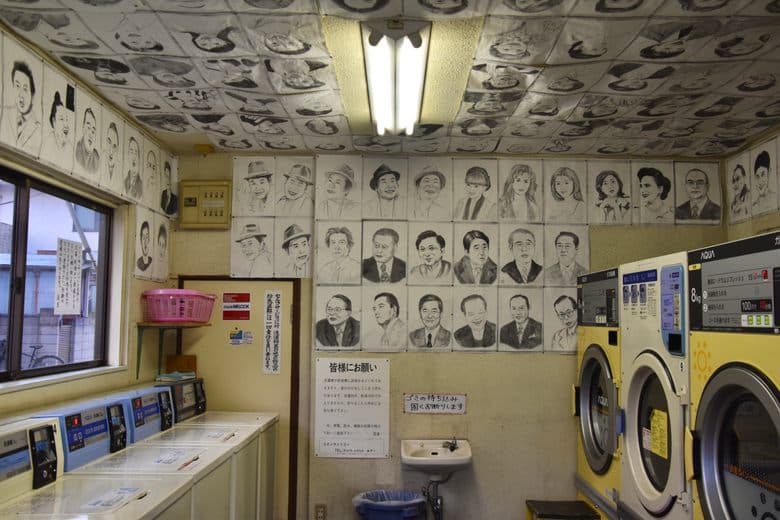
Nigao-e Coin Laundry is far from an ordinary laundromat; it's a quirky art gallery where every wall is covered with hundreds of hand-drawn portrait sketches. Visitors can do their laundry while admiring a diverse collection of faces, from local celebrities to international figures, offering a uniquely Japanese blend of the mundane and the artistic.
Attraction
Transparent Restroom
Transparent Restroom
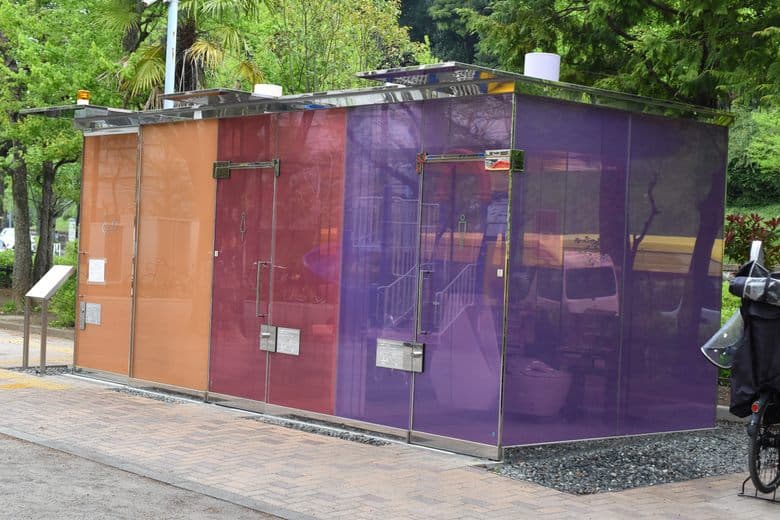
Tokyo's Transparent Restrooms are a fascinating architectural experiment, designed by Shigeru Ban as part of The Tokyo Toilet project. These public facilities feature transparent glass walls that turn opaque upon locking, offering both a sense of security and an intriguing visual experience for visitors.
Attraction
Old Iwabuchi Watergate
Old Iwabuchi Watergate
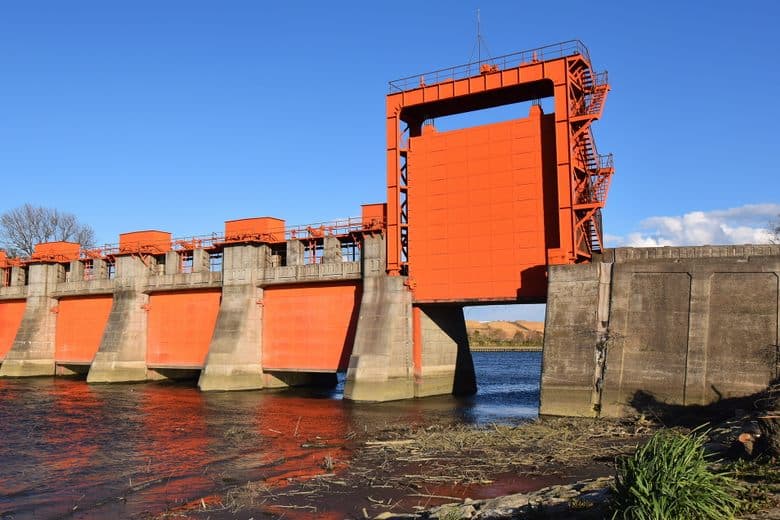
The Old Iwabuchi Watergate, also known as the Red Watergate, is a significant historical flood control structure in Tokyo. It offers a peaceful riverside setting popular with joggers and fishing enthusiasts, and its distinctive red color makes it a photogenic spot with a unique, slightly eerie atmosphere due to local ghost stories.
Attraction
Nihonbashi
Nihonbashi · 日本橋 · Nihombashi
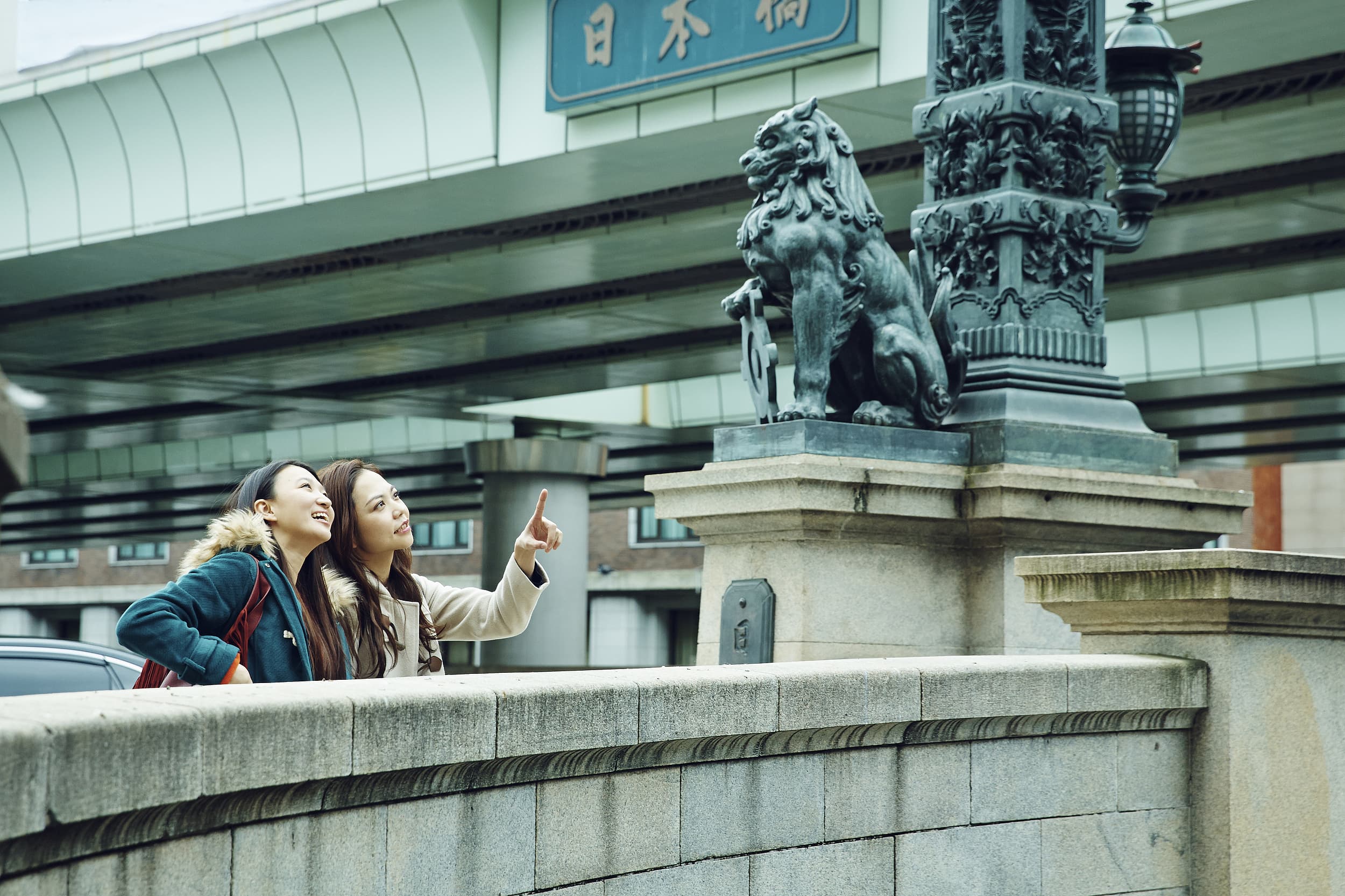
Nihonbashi is a historic bridge and district in Tokyo, known as the kilometer zero marker for Japan's national highway network. Visitors appreciate its unique blend of Japanese and Western architectural styles, particularly the iconic Kirin statues, and its significance as a former commercial and financial hub.
Attraction
SAMURAI NINJA MUSEUM
SAMURAI NINJA MUSEUM · サムライ忍者体験ミュージアム · Samurai Ninja Taiken Myūjiamu
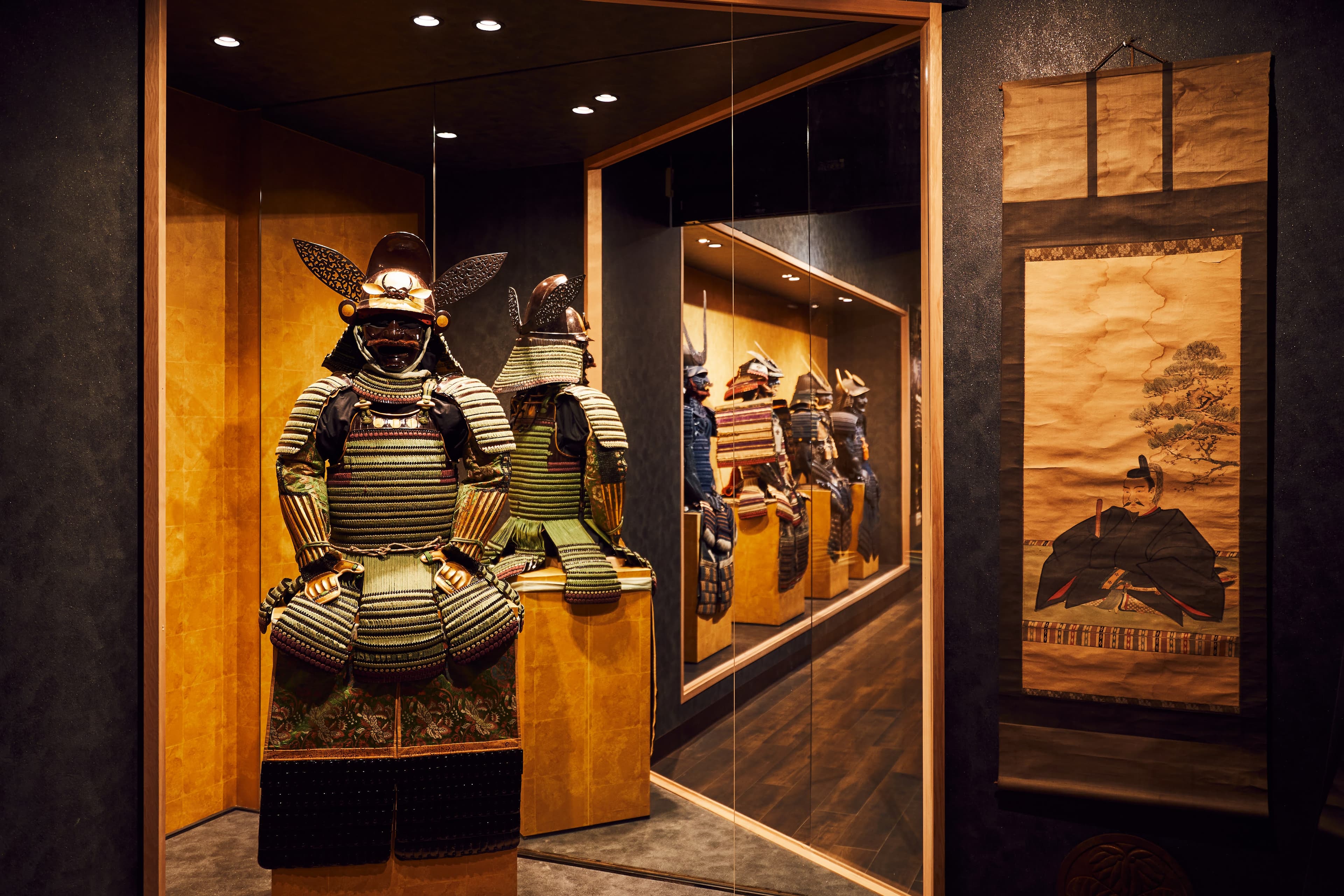
The SAMURAI NINJA MUSEUM TOKYO offers an interactive dive into Japan's warrior history, allowing visitors to learn about samurai and ninja through engaging activities. Reviewers highlight the fun of trying out weapons and the value of English-speaking guides. It's a hands-on experience rather than a traditional historical exhibit.

Attraction
Okuno Building
Okuno Building · Okuno Building · Okuno Building
Step back in time at the Okuno Building, a well-preserved pre-war structure in Ginza, home to art galleries and antique shops. Its main draw is a rare manually-operated elevator, offering a unique, self-guided ride through Tokyo's architectural past.
Attraction
TOKYO NO KABA Amphibious Bus
TOKYO NO KABA Amphibious Bus · 水陸両用バス TOKYO NO KABA · Suiriku Ryōyō Basu TOKYO NO KABA
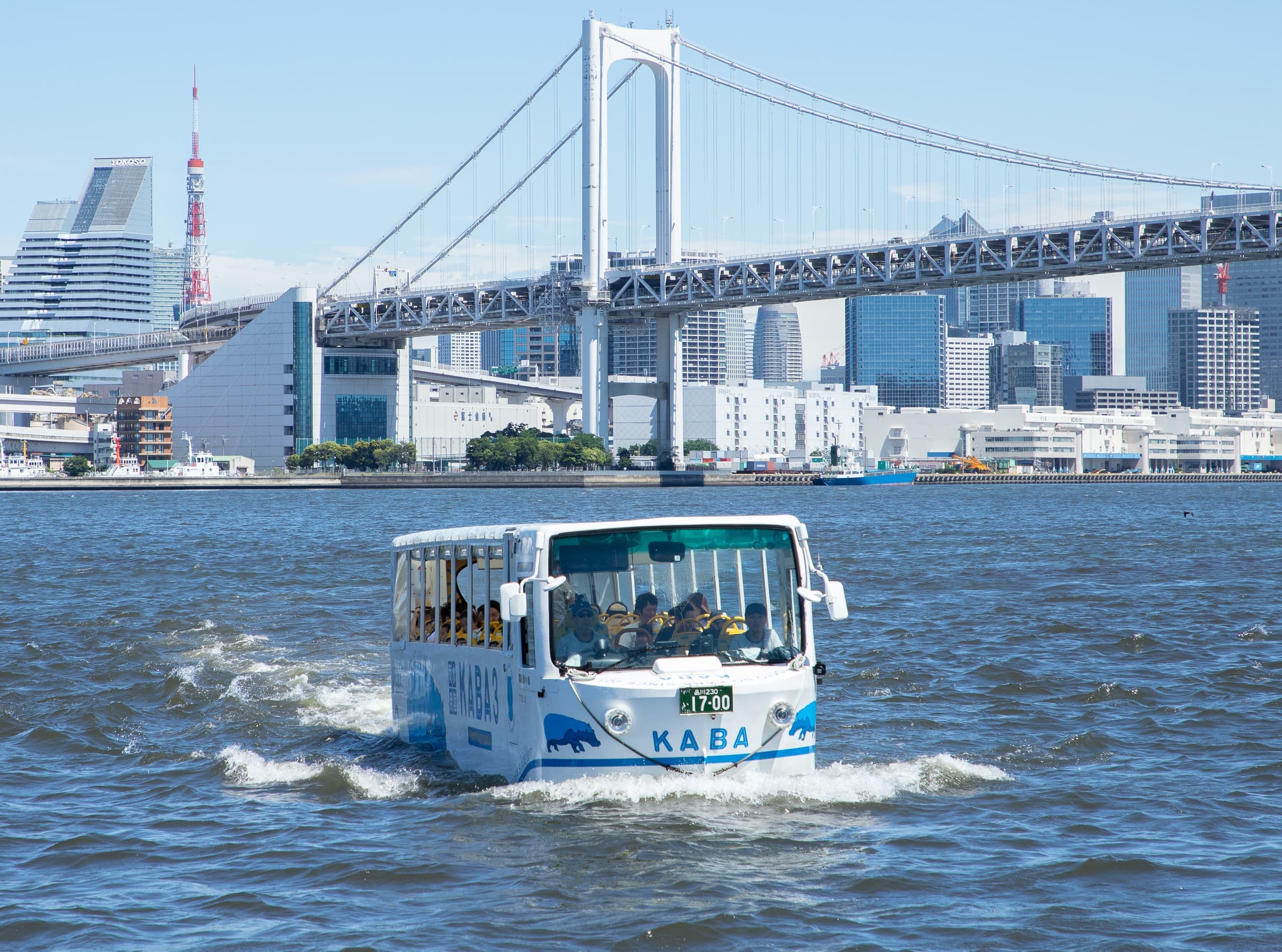
Experience Tokyo's Odaiba area from a unique perspective aboard the TOKYO NO KABA Amphibious Bus. This colorful vehicle transitions seamlessly from road to water, offering a fun and memorable ride, particularly for families, with engaging narration and immersive sound.
Attraction
Spadium Japon
Spadium Japon · スパジアム ジャポン · Supajiamu Japon
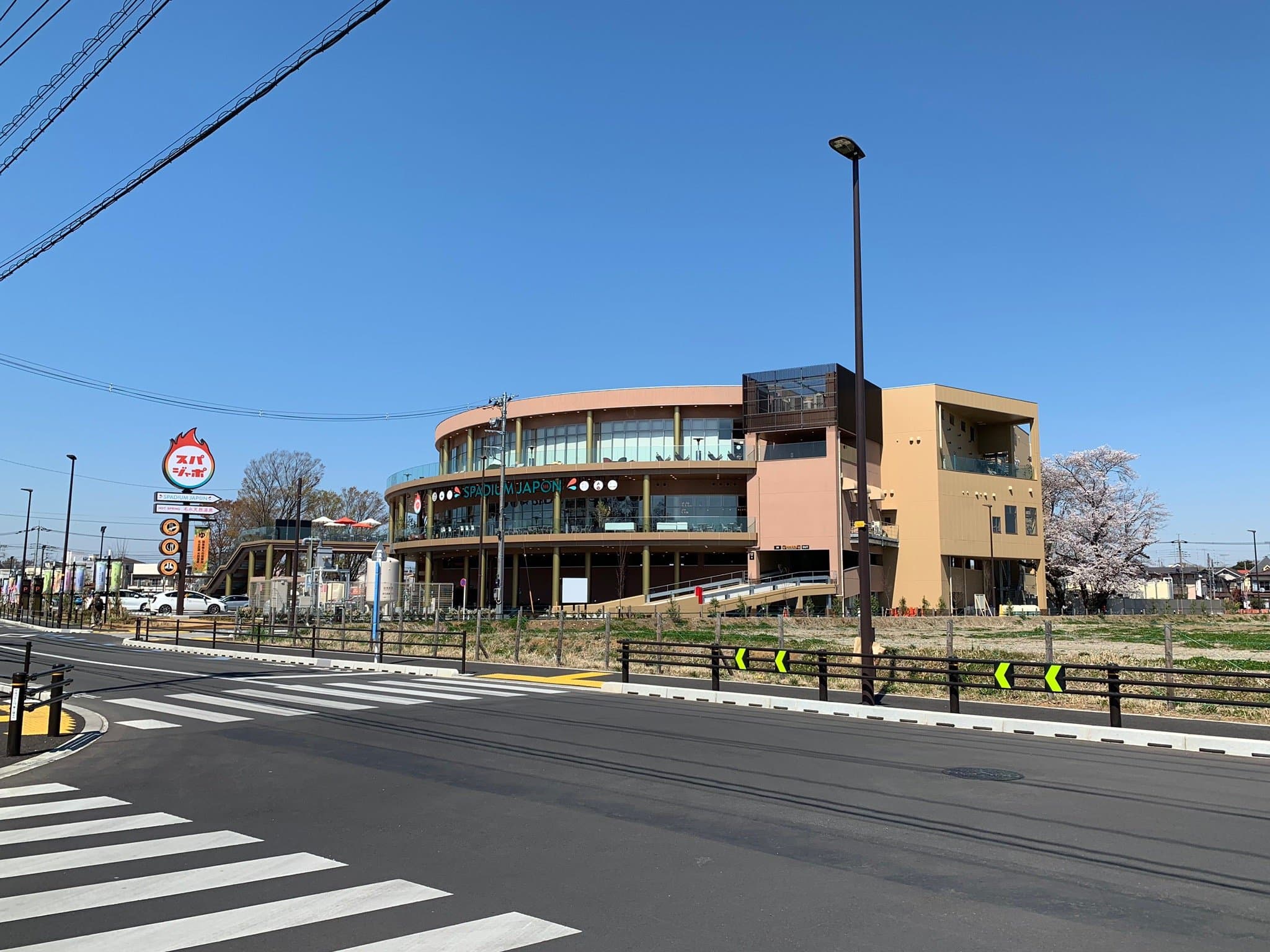
Spadium Japon offers a modern hot spring and relaxation complex with extensive amenities, including numerous comic books, comfortable lounging areas, and unique features like an artificial snow freezer room. Visitors praise its cleanliness and variety of facilities, making it a good spot for unwinding.
Attraction
Kotokuji Temple
Kotokuji Temple
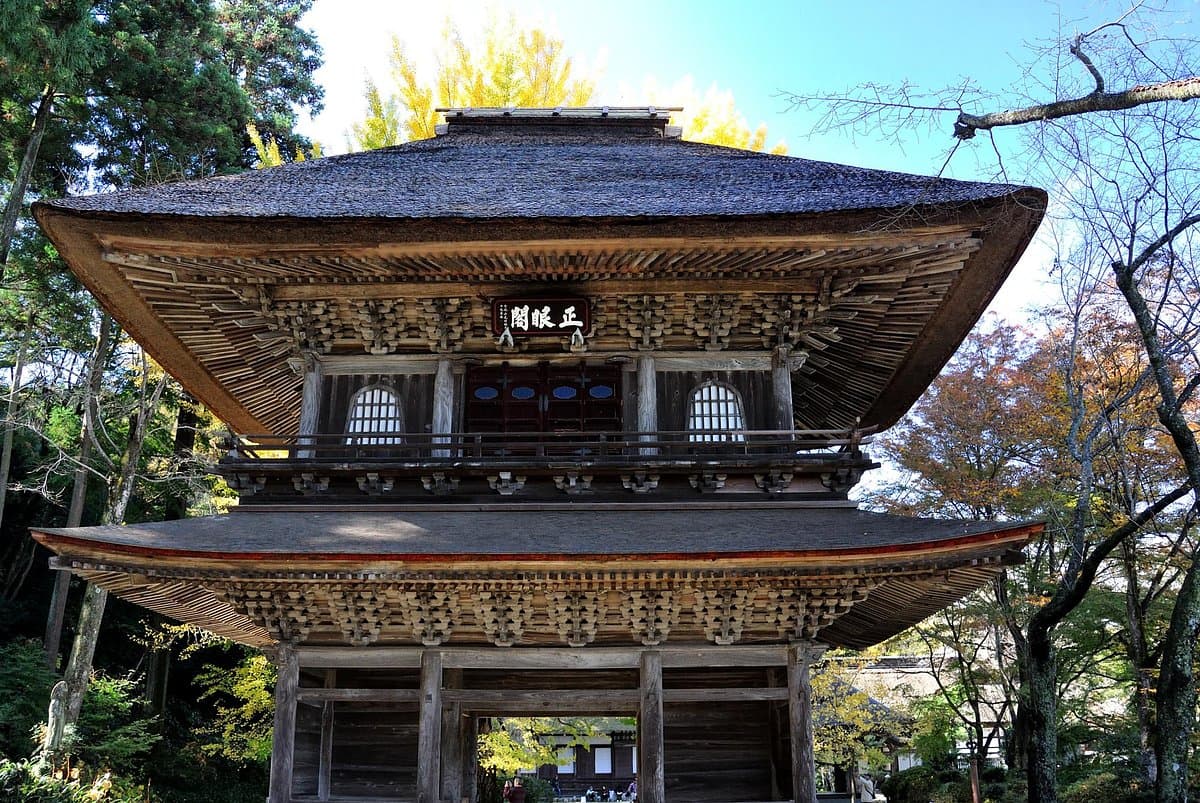
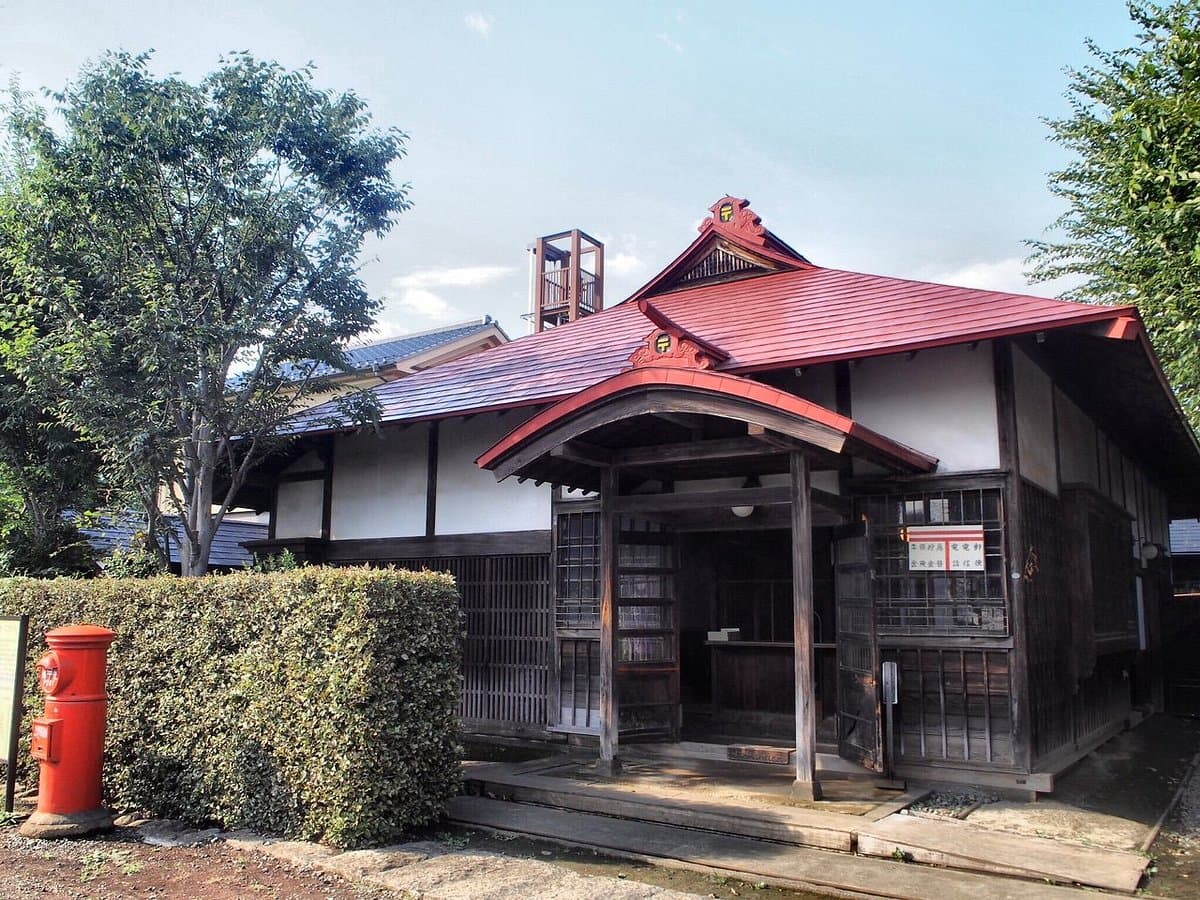
Kotokuji Temple offers a peaceful escape with its ancient history and impressive natural surroundings. Visitors praise its serene atmosphere, especially during the autumn foliage and cherry blossom seasons, highlighting the beauty of its large ginkgo and cherry trees.
Attraction
Kodaira Furusatovillage
Kodaira Furusatovillage
Kodaira Furusato Village provides a tranquil escape, showcasing traditional Japanese farmhouses and a watermill. Visitors appreciate the opportunity to experience local culture, often participating in workshops or enjoying the peaceful, well-maintained grounds.
Attraction
Mt. Mito
Mt. Mito
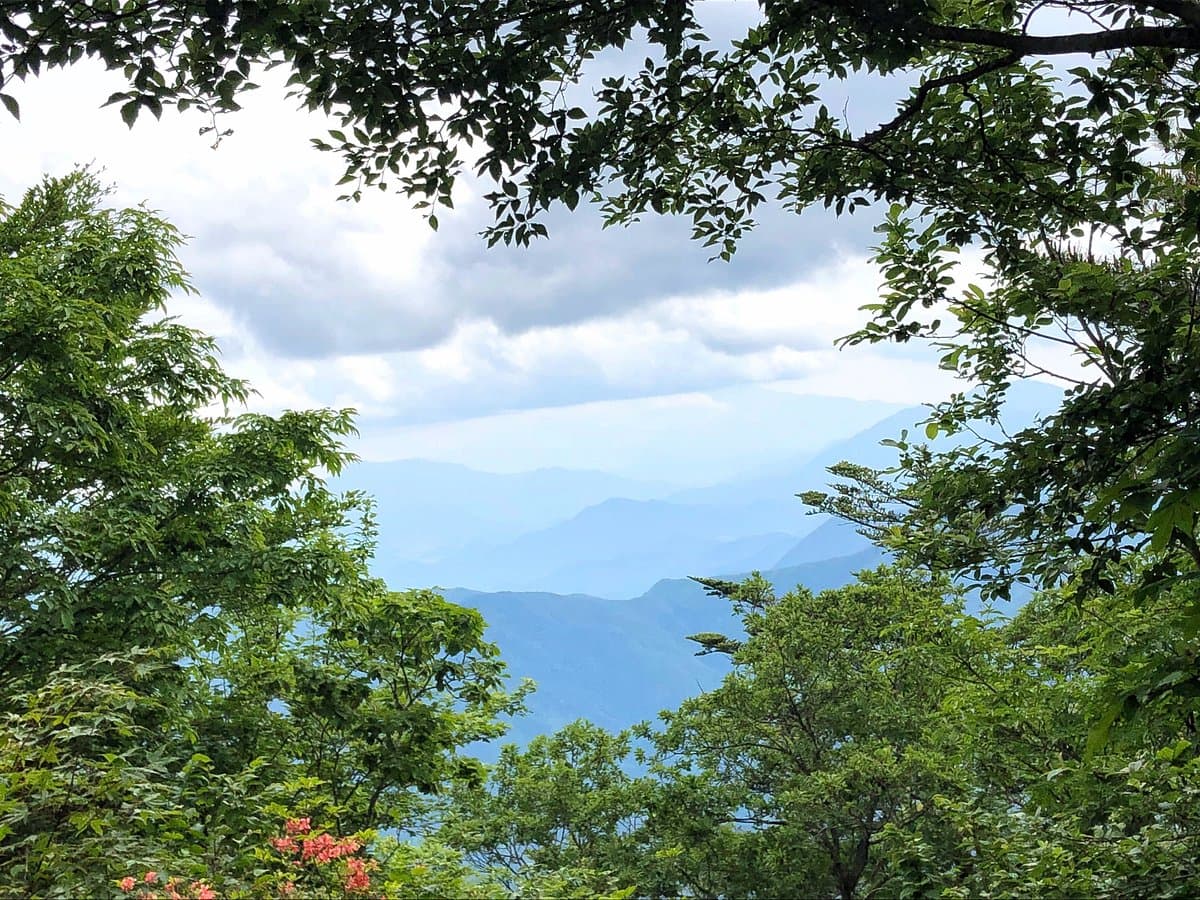
Mt. Mito is the highest peak in the Okutama Sanzan mountain range, located within a well-maintained Tokyo citizen's forest about 90 minutes from central Tokyo. The moderate hike takes approximately 6 hours round-trip and offers clear-day views of Mt. Fuji, though the trail has minimal signage and steep sections early on.
Attraction
Otake Cave
Otake Cave
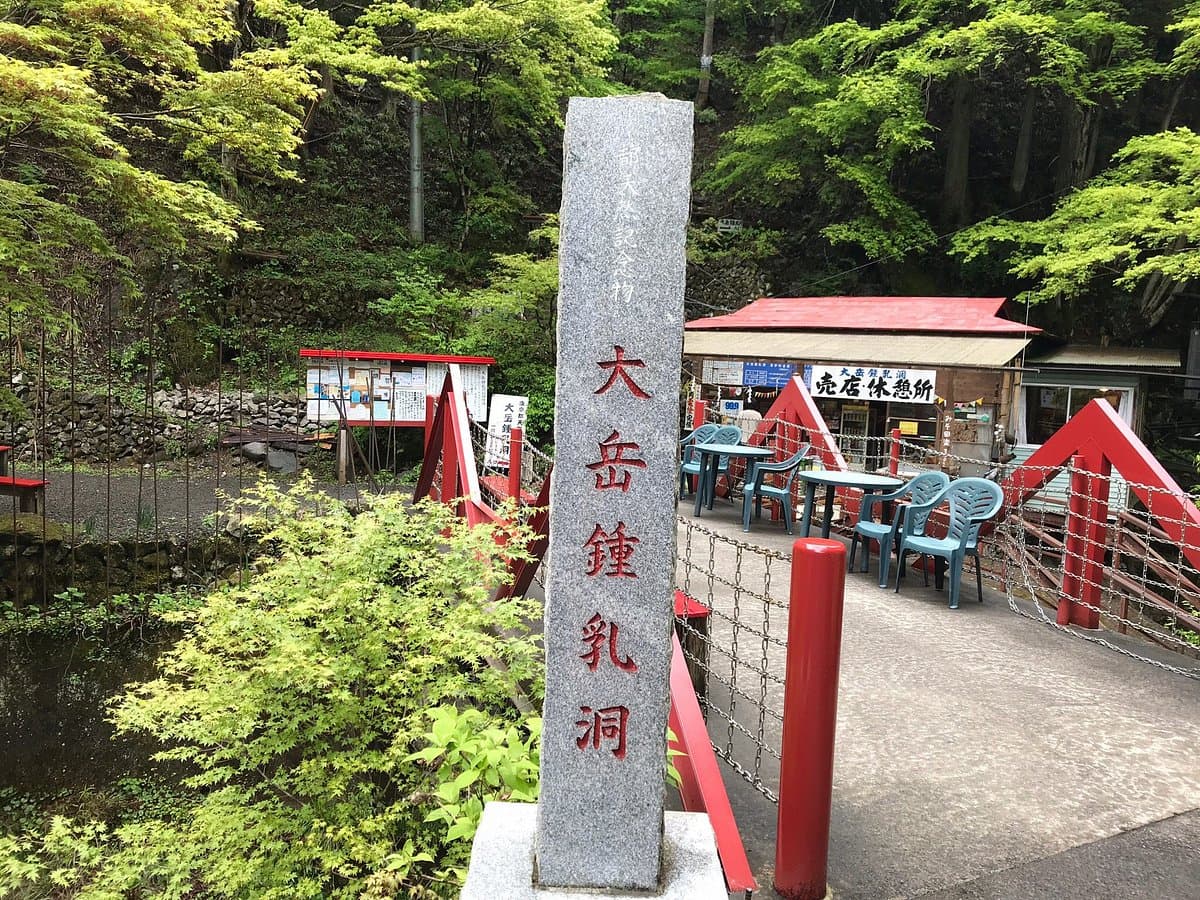
Otake Cave offers a cool, subterranean escape with impressive stalactites and stalagmites, providing a refreshing contrast to Tokyo's urban bustle. Visitors can explore its illuminated chambers, experiencing a unique natural wonder that feels far removed from the city.
Attraction
Machida City Museum of Graphic Arts
Machida City Museum of Graphic Arts
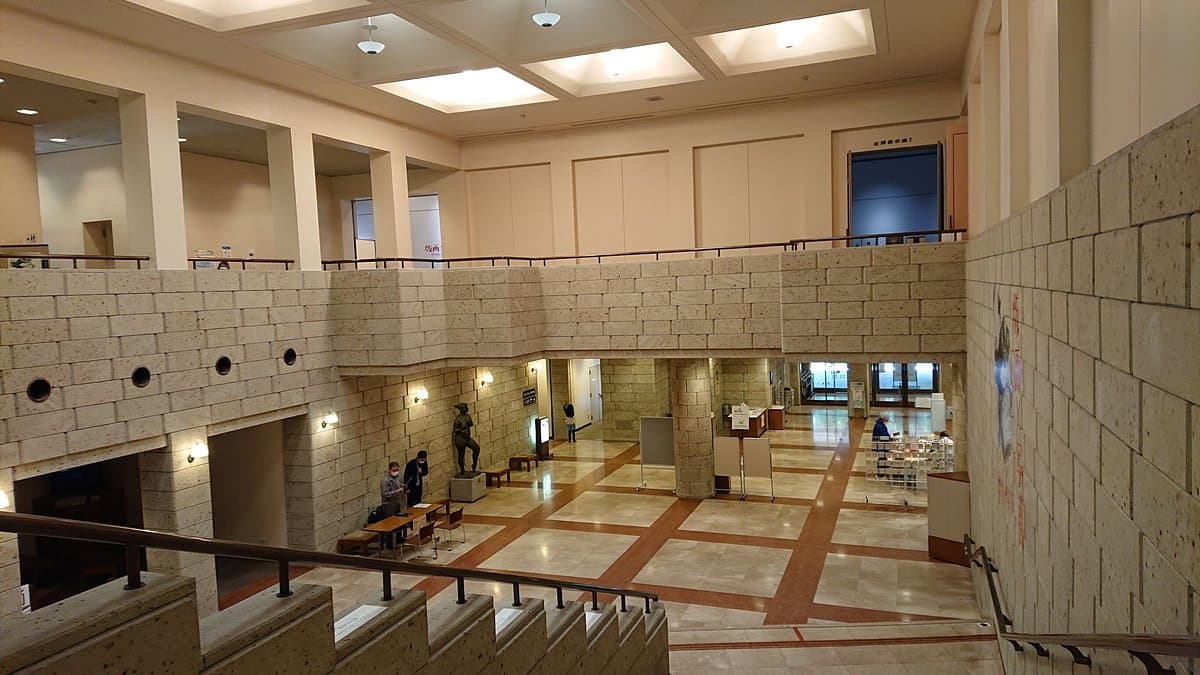
The Machida City Museum of Graphic Arts focuses on prints, with a notable emphasis on contemporary Japanese works. Visitors appreciate its smaller, manageable size and the quality of its temporary exhibitions, though exhibition themes can vary.
Attraction
Tama Central Park
Tama Central Park
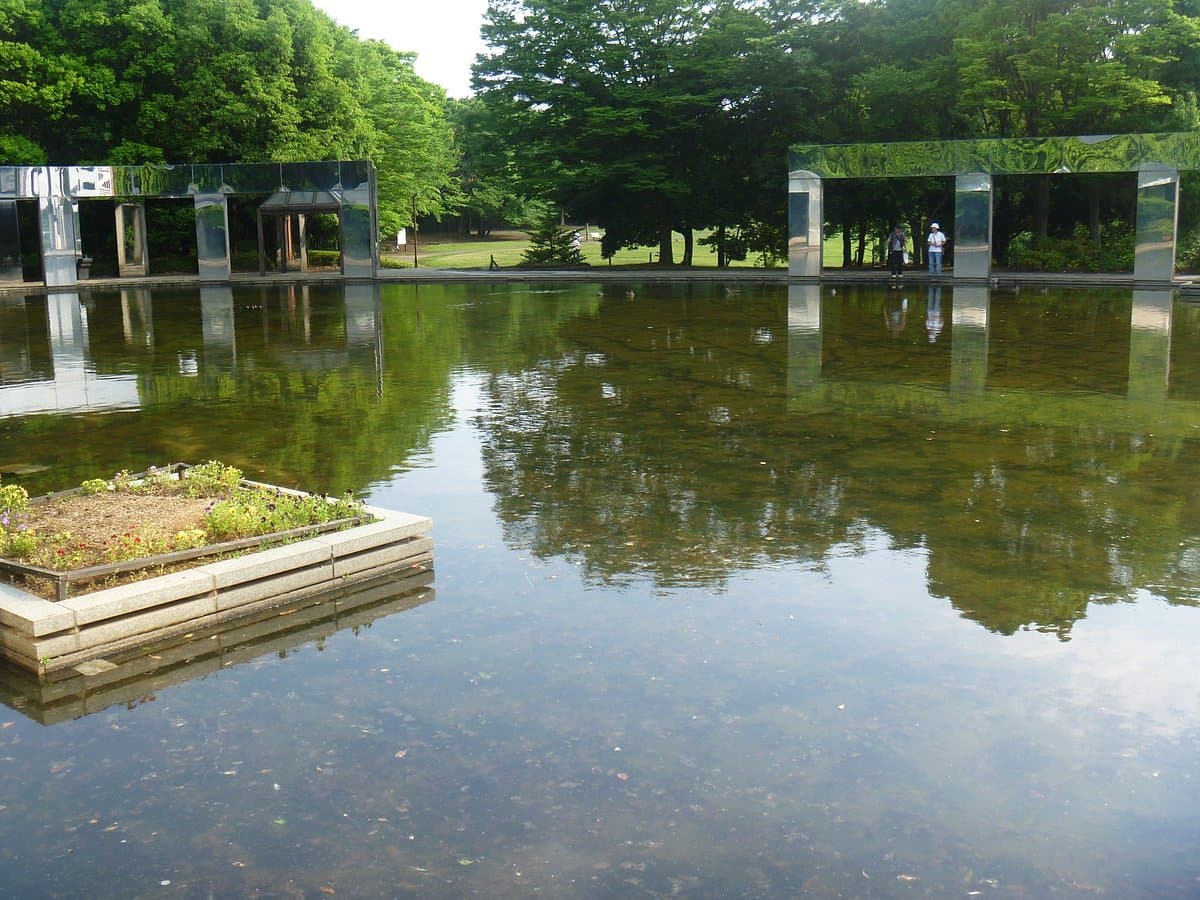
Tama Central Park offers a peaceful urban oasis with a large lawn, a pond, and various facilities for relaxation and recreation. Visitors appreciate its clean, quiet atmosphere, making it a suitable spot for families, couples, or anyone looking to unwind away from the city's intensity.
Attraction
13 Bridges of the Ebi River
13 Bridges of the Ebi River
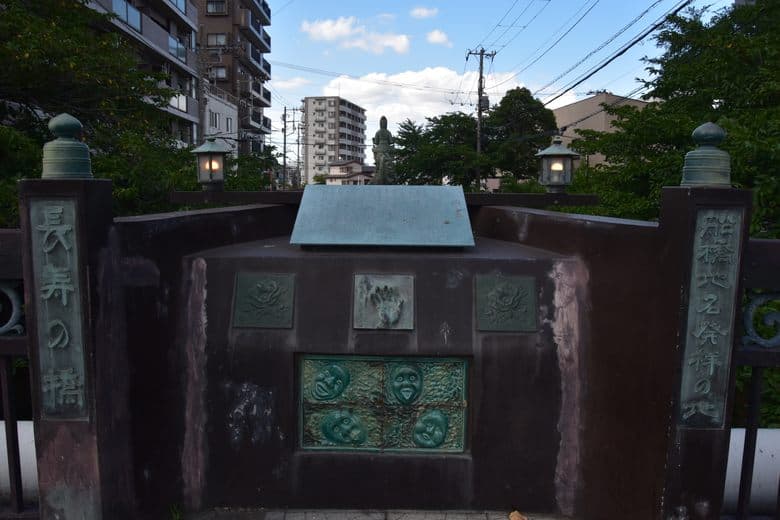
The 13 Bridges of the Ebi River offer a unique cultural walk through Funabashi, each adorned with sculptures and monuments reflecting local history, folklore, and famous Japanese artists and writers. Visitors can enjoy a leisurely stroll discovering tributes to kappa, manga legends, and literary figures like Osamu Dazai.
Attraction
Aogashima Volcano
Aogashima Volcano
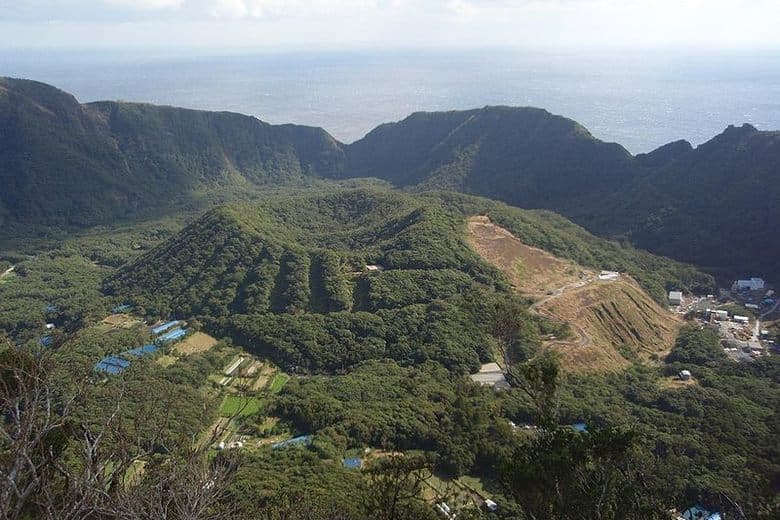
Aogashima Volcano is a remote, active double volcano island, offering a dramatic escape from urban life. Visitors can hike to the inner crater, enjoy natural steam vents for cooking, and experience stunning night skies free from light pollution, all powered by its unique geology.
Attraction
Shōzoku Inari-jinja Shrine
Shōzoku Inari-jinja Shrine
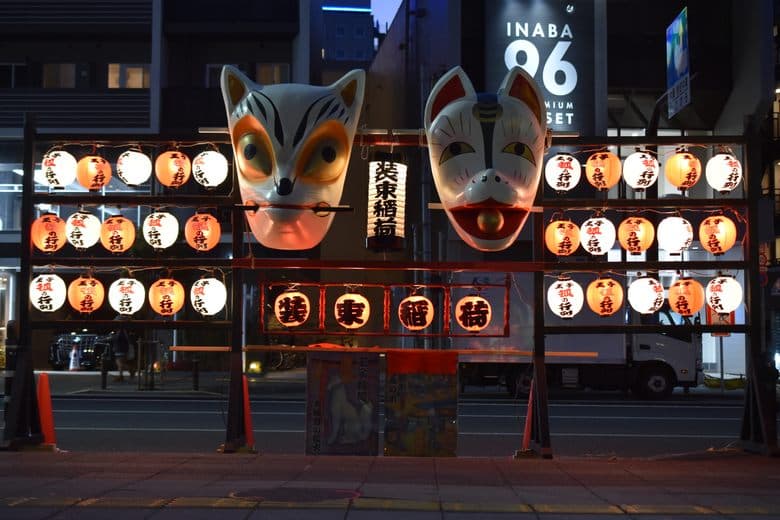
Shōzoku Inari-jinja Shrine is a small, historically significant site in Tokyo's Ōji district, known for its connection to a legendary New Year's Eve fox parade. While the original 'Garment Hackberry' tree is gone, the shrine commemorates the folklore, and locals revive the tradition with a popular fox mask parade annually.
Attraction
'Fugetsu En'nen'
'Fugetsu En'nen'
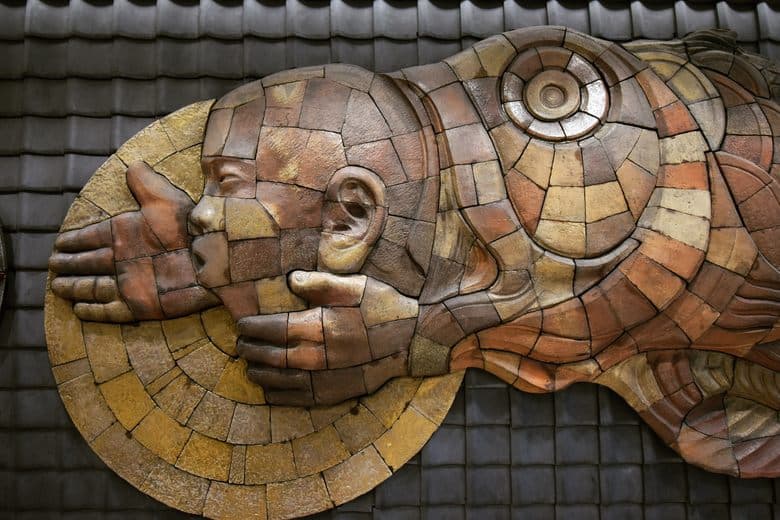
Fugetsu En'nen is a captivating mural by Luis Nishizawa located in Keisei Ueno Station, rich with Japanese symbolism. It depicts a boy emerging from a koi fish, reaching for a pinwheel, representing themes of Children's Day, overcoming hardship, and the future.