
 Tabelog rating
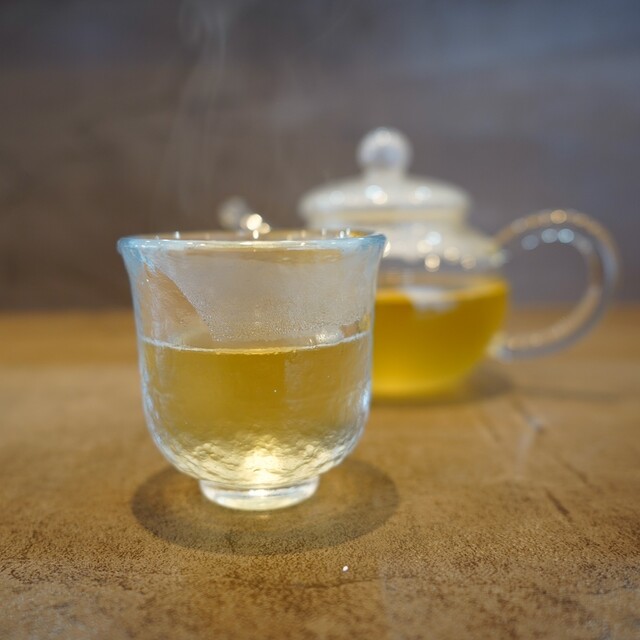
Dashi Ryouri Ju (だし料理 十) is a restaurant with a single-minded focus: exploring the depths of dashi, the foundational broth of Japanese cuisine. The experience is less a conventional meal and more a guided tasting, built around a ritual that begins with a cold shot of dashi and progresses to infusions brewed in a teapot-like kyusu, allowing guests to appreciate the subtle changes in flavour as the temperature shifts.
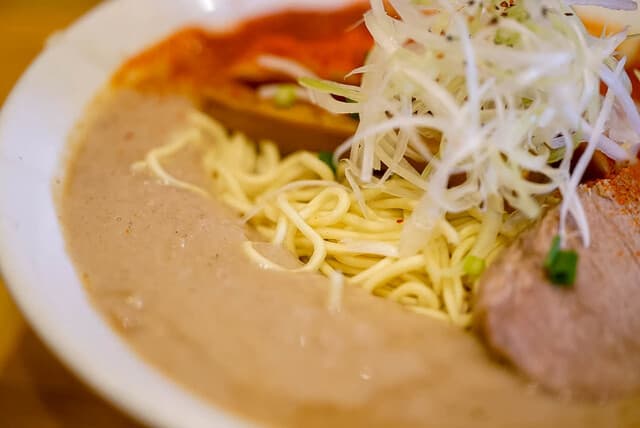
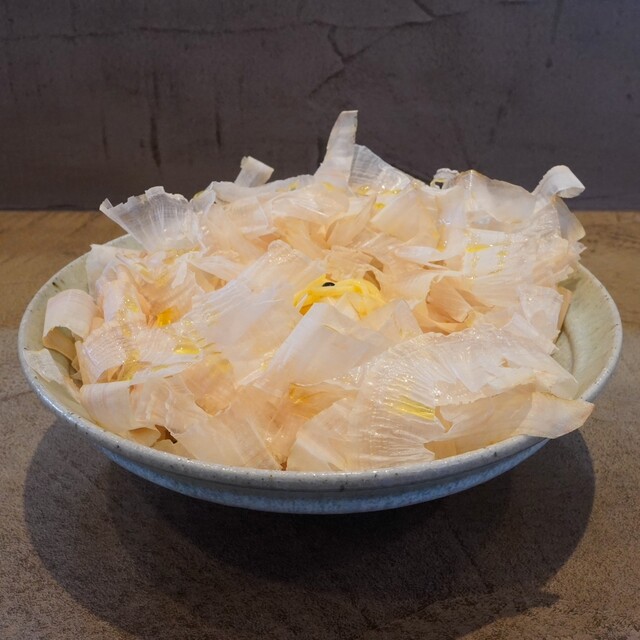
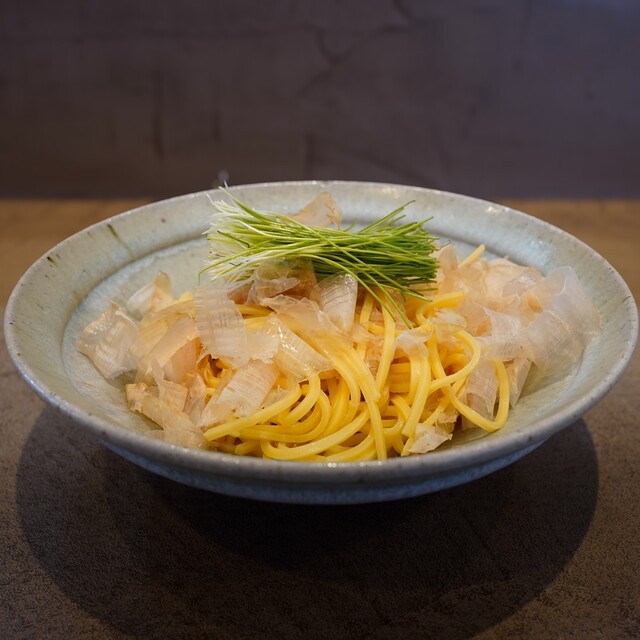
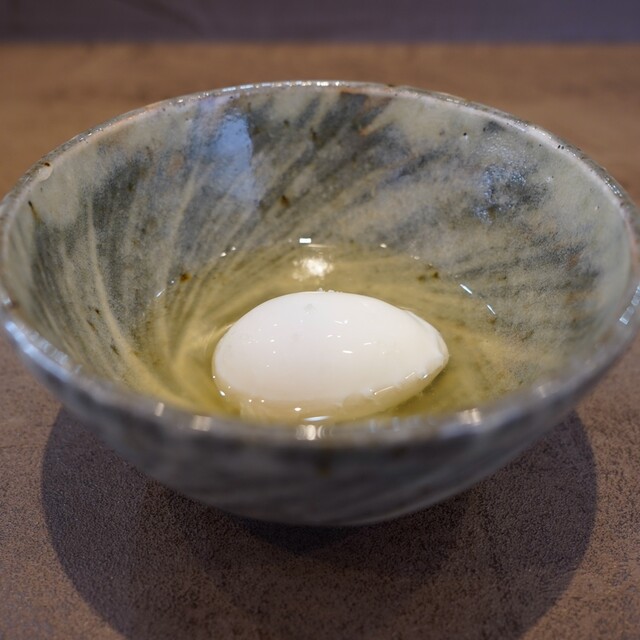
Reviewers are almost unanimously impressed by the clarity and complexity of the dashi. The meal is a lesson in flavour, with the chef patiently explaining the process and the high-quality local ingredients, including the specific type of kombu seaweed used. The signature dishes are exercises in simplicity, designed to highlight the broth. Guests praise the house-made flat noodles, served with just dashi, salt, and olive oil, and the comforting rice dishes like tamago-kake-gohan (rice with raw egg) topped with freshly shaved flakes of dried tuna (maguro-bushi).
The main criticisms are practical. As a tiny, often one-person operation, service can be slow. Some diners find the prices, typically ¥3,000–¥5,000 for lunch, a bit high for the modest portion sizes, though most who appreciate the technique feel it's excellent value. A few found the use of olive oil or wasabi a little assertive. Reviewers recently paid around ¥4,100 for a noodle set and ¥800 for a bowl of maguro-bushi tamago-kake-gohan.
- Booking: Reservations are essential. The restaurant has only 6-10 counter seats and is often run by the chef alone. Phone reservations are the standard.
- Getting There: Located in the Ichijoji area of Sakyo ward, about a 10-minute walk from Ichijoji Station. Two parking spaces are available at the front.
- Payment: Credit cards are accepted. Electronic money and QR code payments are not.
- Language: While there is no English menu, the chef is noted for his patient explanations, and several non-Japanese speaking visitors have reported excellent experiences.
- Ordering: The menu structure can be confusing. Choosing a set is often simpler than ordering à la carte, where a two-item minimum may apply.
- Seating: All seating is at the counter.
- Smoking: The restaurant is entirely non-smoking.