Attractions — Kanagawa
Attraction
Ume no Utage
Ume no Utage
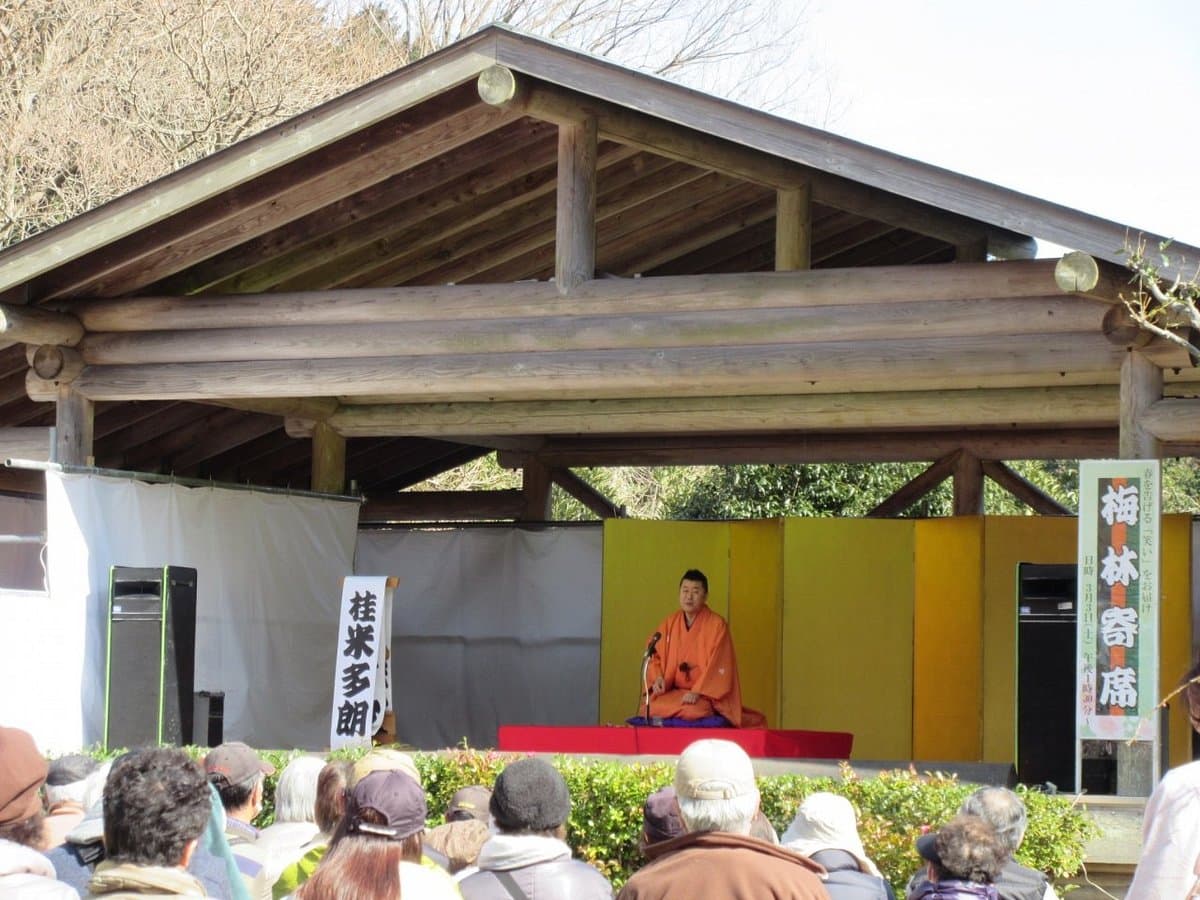
Ume no Utage is an annual plum blossom festival held in Makuyama Park, Yugawara, offering visitors a chance to see thousands of plum trees in bloom. While the scenery can be beautiful, its appeal is highly dependent on the timing of the visit and the specific stage of the blossoms.
Attraction
Ninomiya Shrine
Ninomiya Shrine
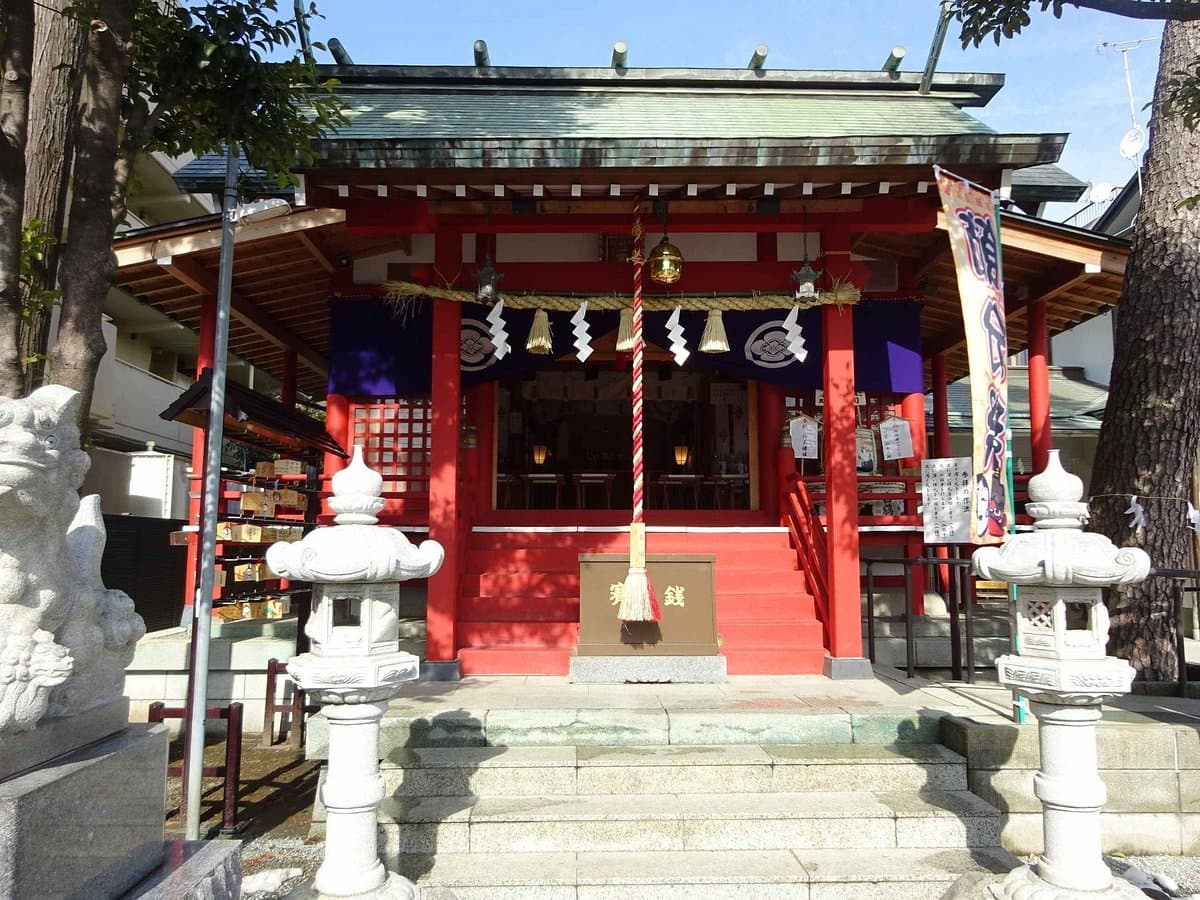
Ninomiya Shrine is a modest local shrine offering a peaceful atmosphere away from the bustling city. Visitors often describe it as a quiet spot for reflection, featuring traditional Japanese architecture and a serene environment, though it lacks major attractions.
Attraction
Morse Seaside Laboratory Site
Morse Seaside Laboratory Site
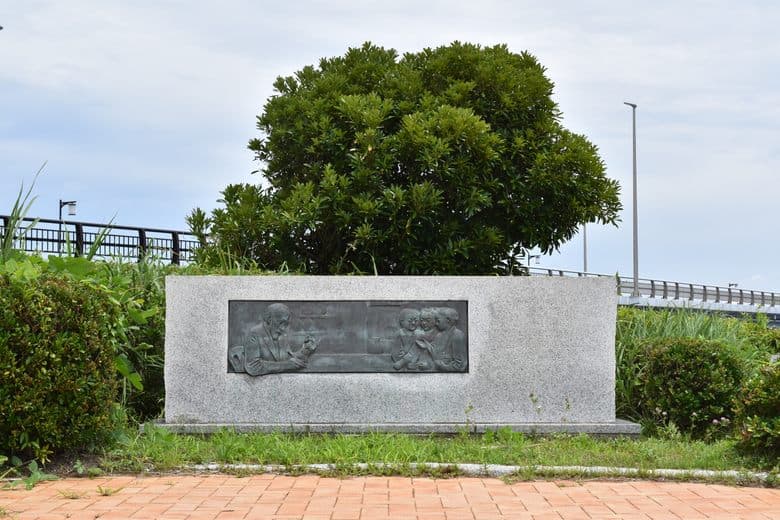
The Morse Seaside Laboratory Site commemorates one of the world's first marine biological research facilities, established by American zoologist Edward S. Morse. While not a major attraction, it offers a quiet historical footnote for those exploring Enoshima Island beyond its main tourist hubs.
Attraction
Yushin Valley
Yushin Valley
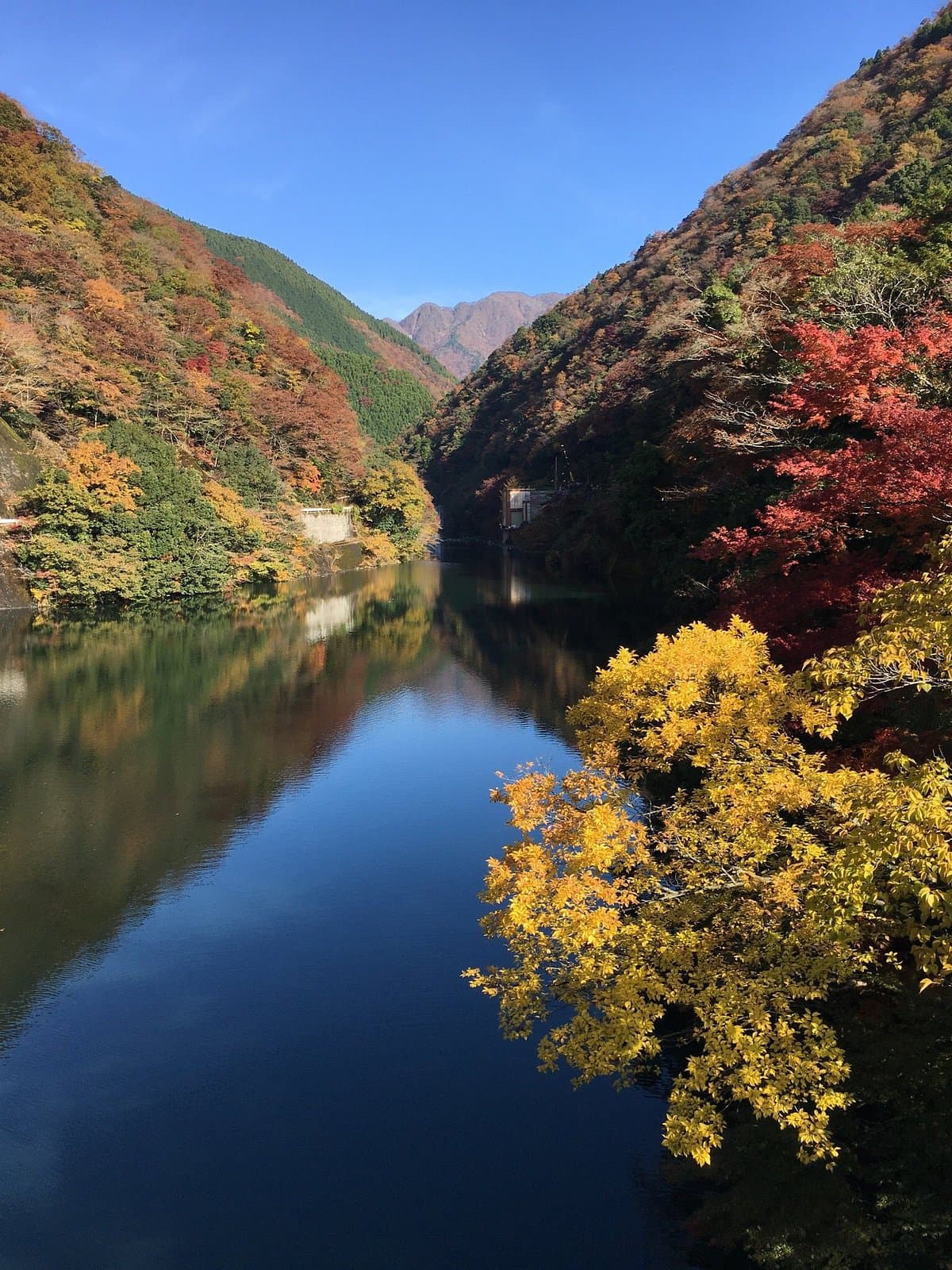
Yushin Valley offers a scenic, easy walk through nature, featuring waterfalls and a dark tunnel that adds an element of adventure. However, visitors should be aware of potential access issues, including closed paths and the need for proper preparation for certain trails.
Attraction
Aeon Ebina
Aeon Ebina
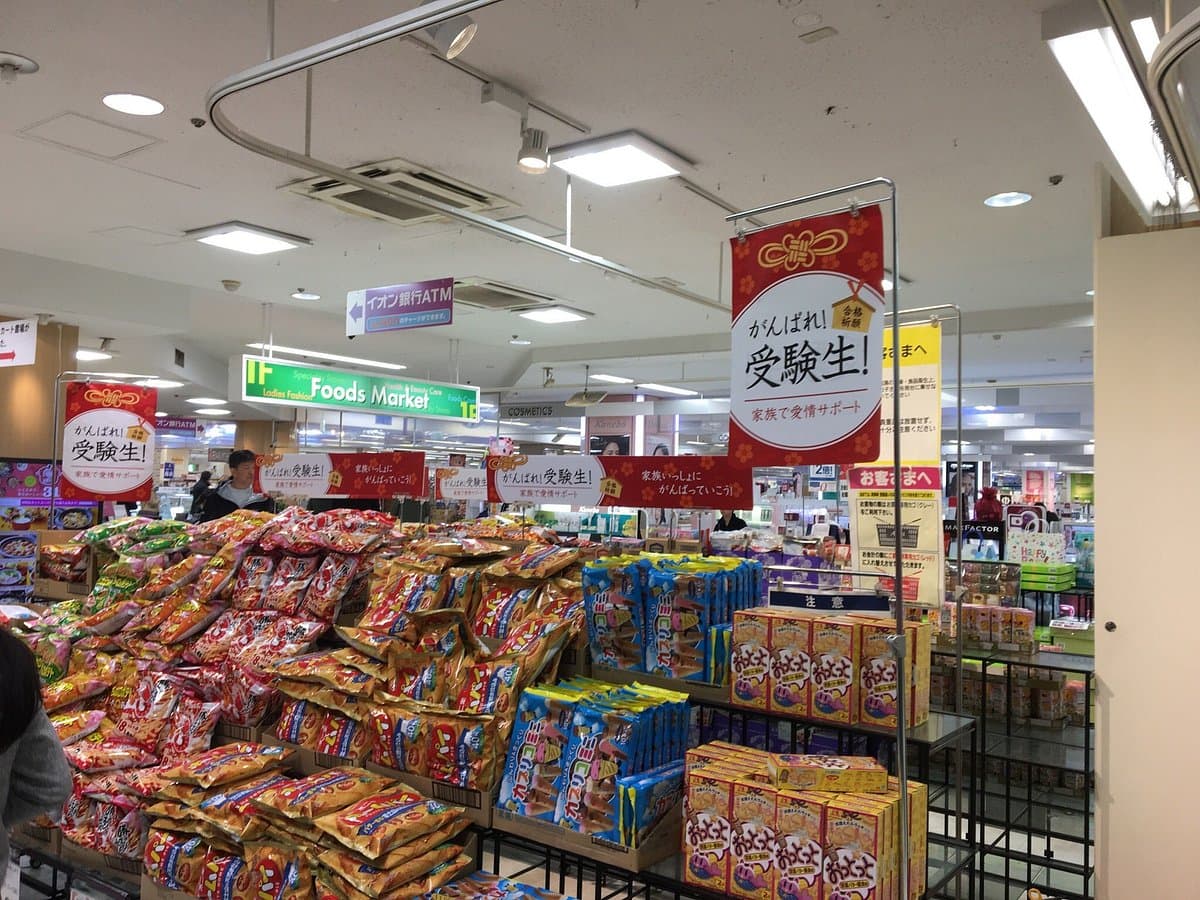
Aeon Ebina is a comprehensive shopping mall offering a diverse range of stores, from groceries to fashion and sports, alongside an Aeon cinema. Visitors find it a convenient one-stop destination for various needs, though it's primarily a local amenity rather than a tourist attraction.
Attraction
Onoyama
Onoyama
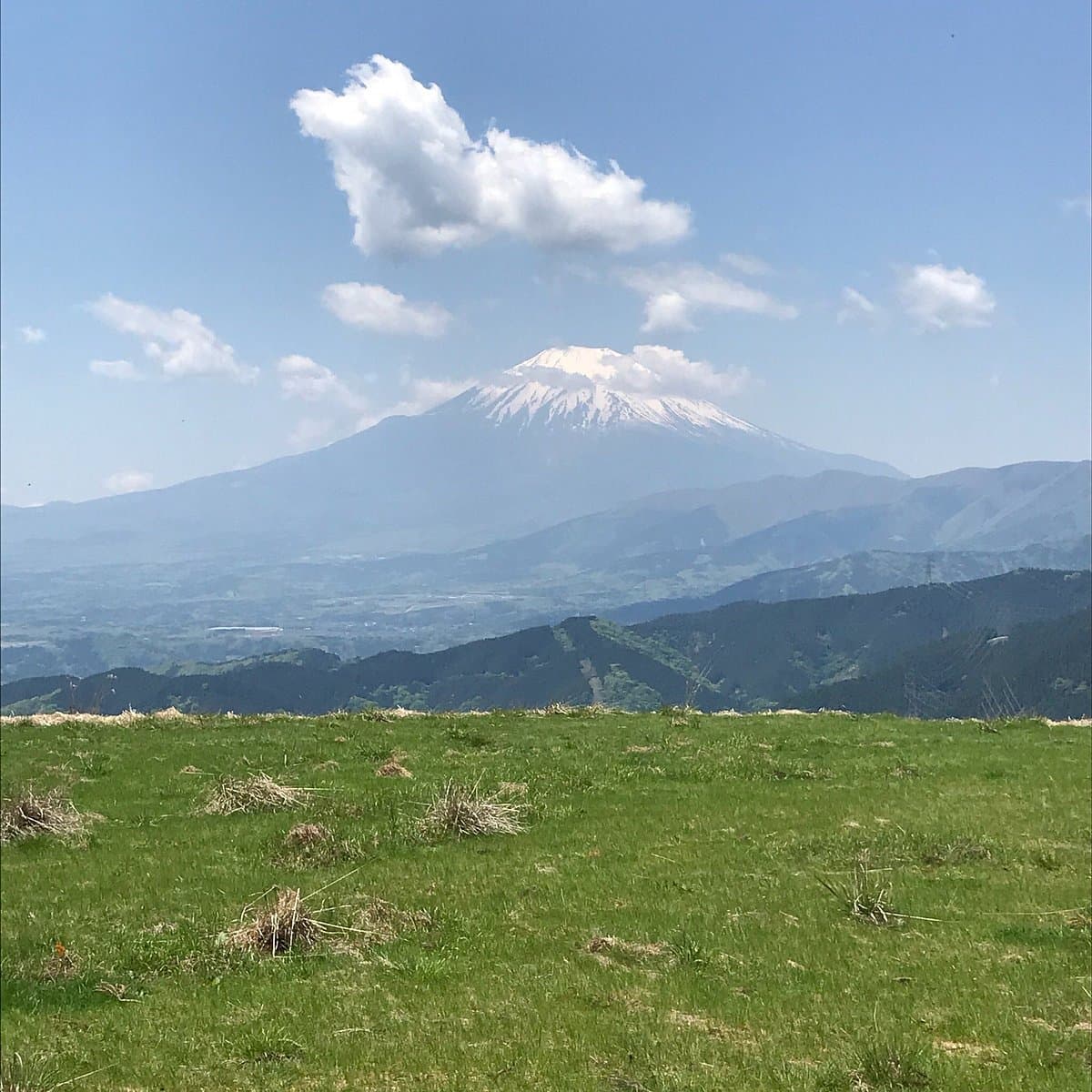
Onoyama offers a tranquil escape into nature, primarily known for its scenic views and a quiet atmosphere. Visitors often describe it as a pleasant spot for a short, peaceful walk, particularly appealing to those looking to avoid crowds and enjoy local Japanese landscapes.
Attraction
Indian Drinking Fountain
Indian Drinking Fountain
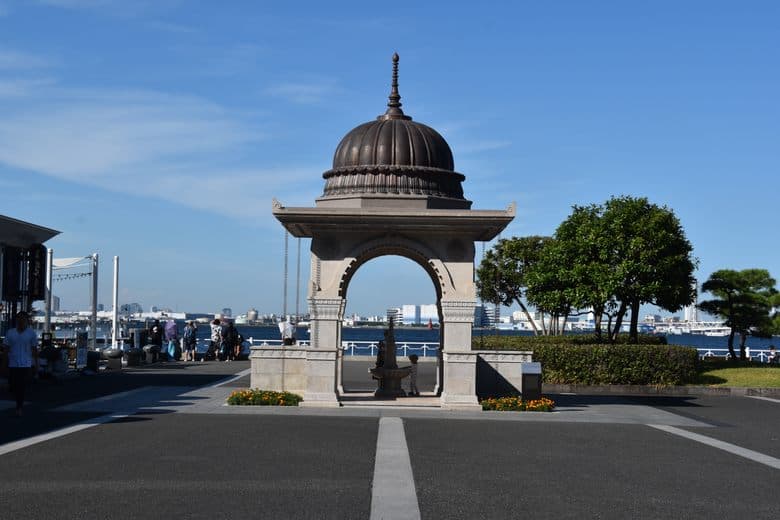
Nestled within Yokohama's Yamashita Park, the Indian Drinking Fountain is a unique memorial to Indian merchants who perished in the 1923 Great Kantō earthquake. Its distinctive Mughal-inspired architecture stands as a testament to cross-cultural solidarity and resilience, offering a quiet moment of reflection for park visitors.
Attraction
Shiroyama Lake
Shiroyama Lake
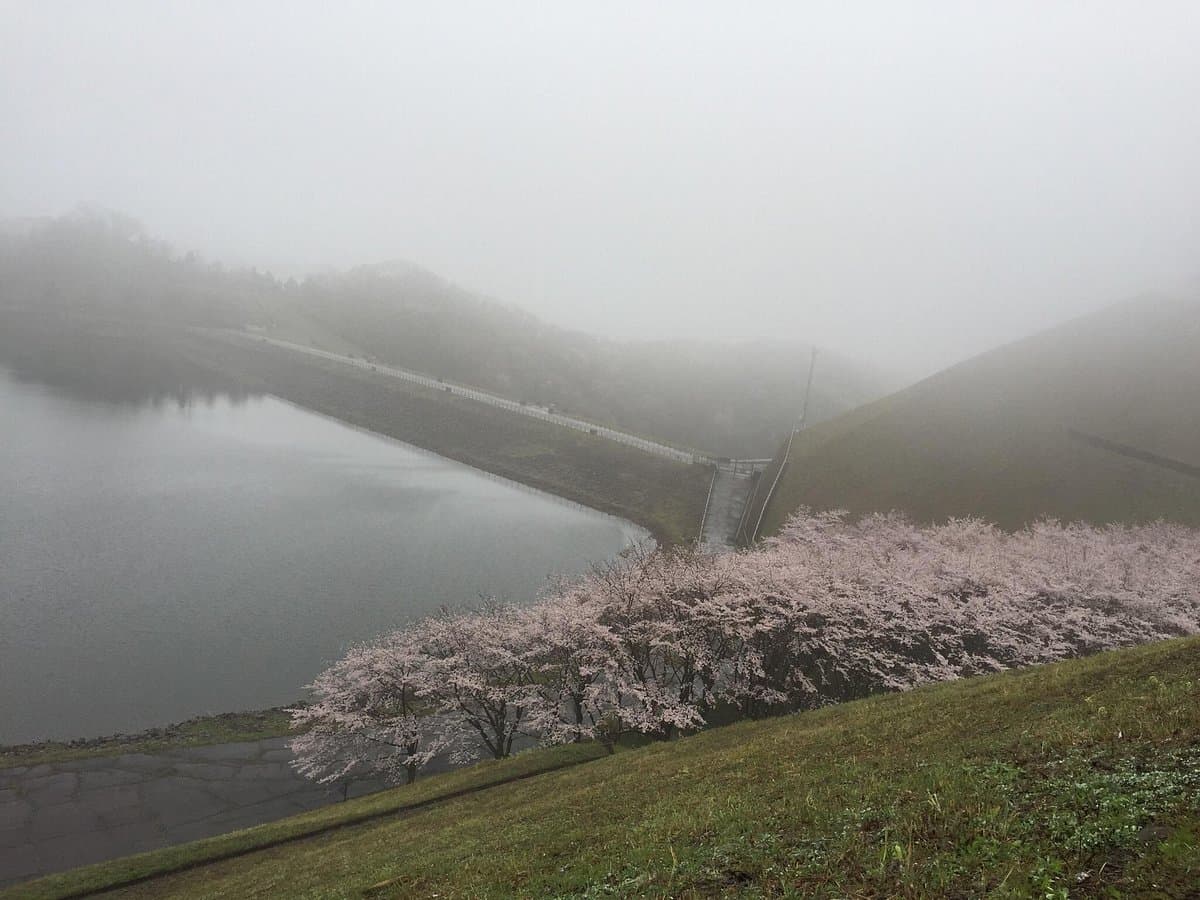
Shiroyama Lake offers a tranquil escape with scenic views, particularly appealing during autumn foliage. Visitors enjoy the peaceful atmosphere for walking, cycling, and picnicking, making it a good spot for a relaxed day out away from the city.
Attraction
Nakagawa Kazumasa Museum of Art
Nakagawa Kazumasa Museum of Art
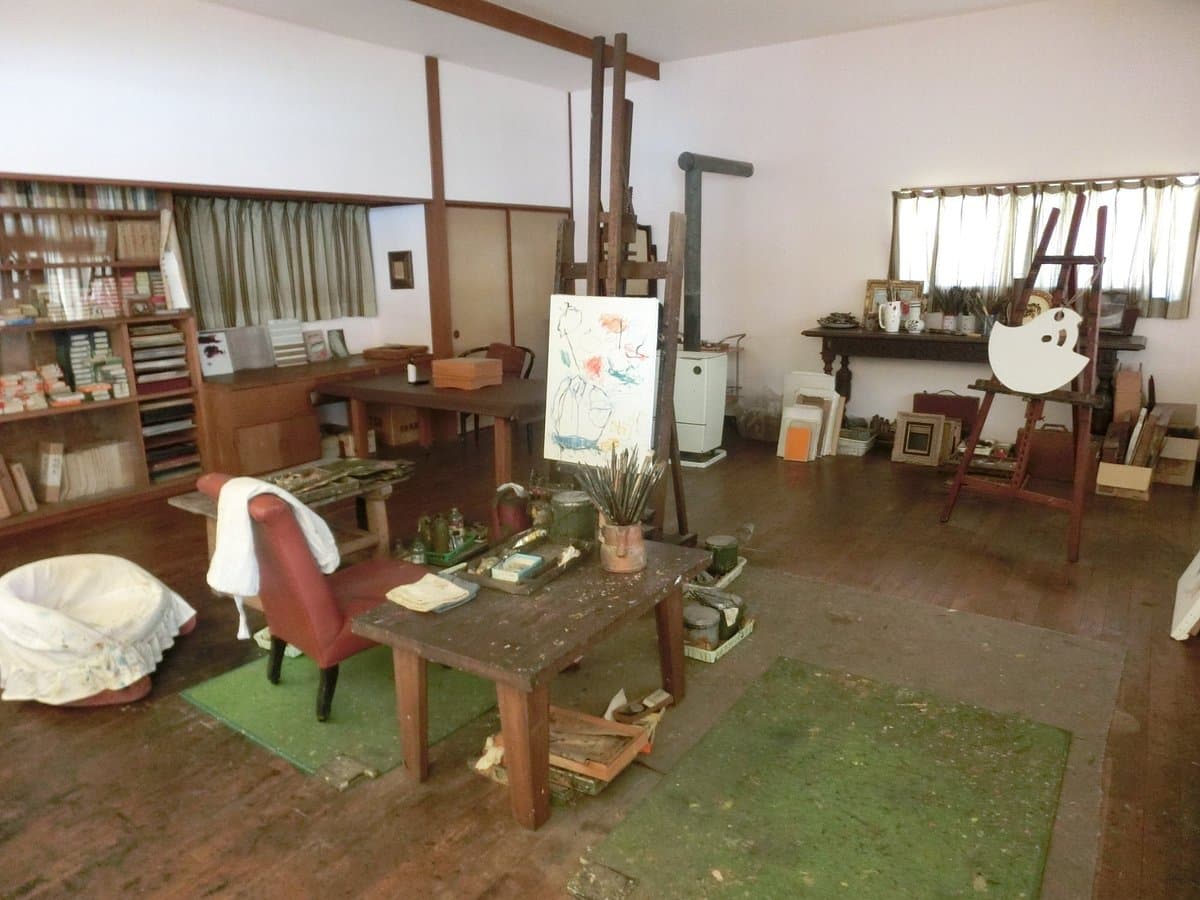
The Nakagawa Kazumasa Museum of Art showcases the works of Kazumasa Nakagawa, a pioneering Japanese Western-style painter. Visitors can explore his artistic journey and gain insight into his life, with the added bonus of seeing a recreation of his workshop nearby.
Attraction
Mt. Hirugatake
Mt. Hirugatake
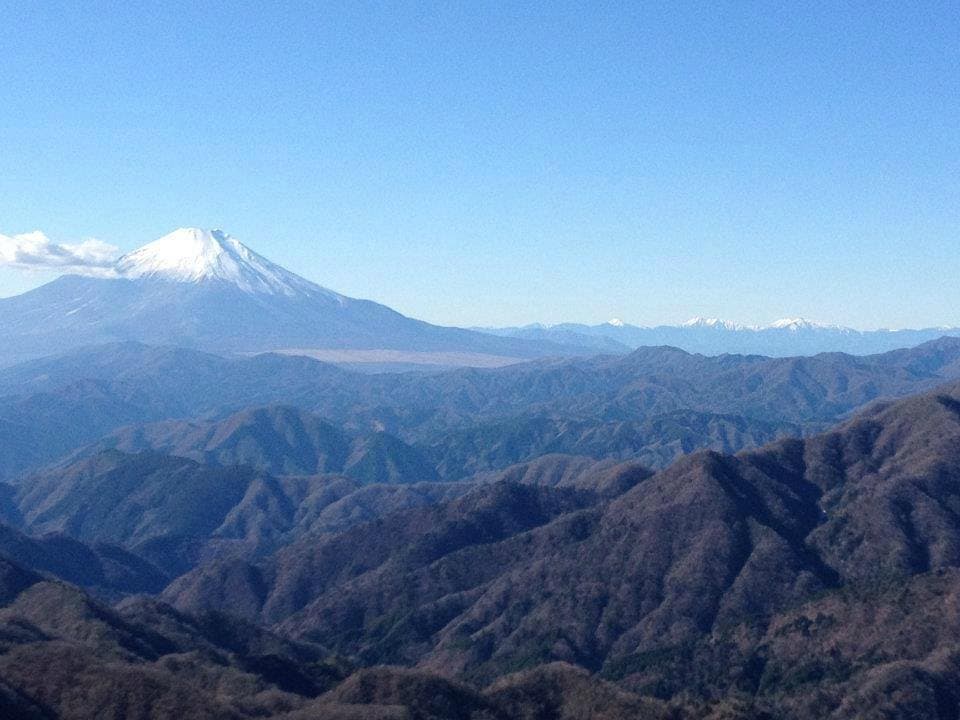
Mt. Hirugatake offers a challenging and rewarding hiking experience, known for its steep ascents and panoramic views from the summit. Visitors should be prepared for a full-day trek, often involving multiple peaks and significant elevation changes, making it suitable for seasoned hikers.
Attraction
Dr. Hepburn’s Former Residence
Dr. Hepburn’s Former Residence
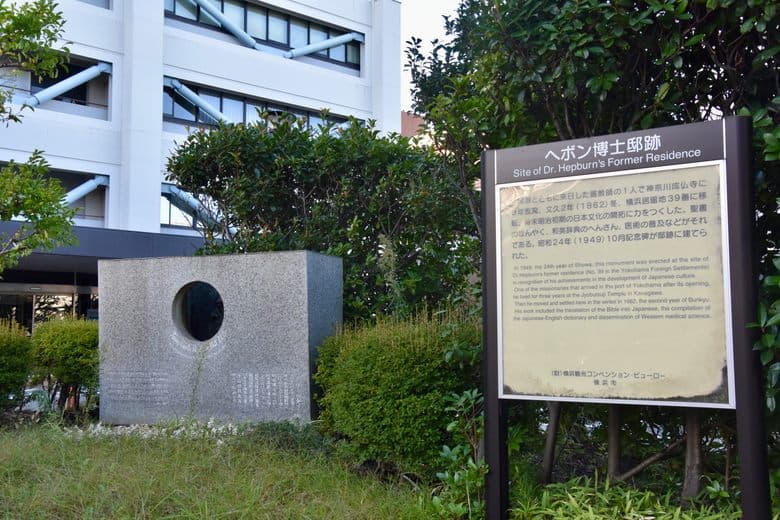
Dr. Hepburn's Former Residence is commemorated by a historical marker and a relief portrait, honoring the man who created the first Japanese-English Dictionary and developed the Hepburn romanization system. It's a subtle nod to a significant historical figure, located in a bustling area of Yokohama.
Attraction
Sagamihara Gion Stadium
Sagamihara Gion Stadium
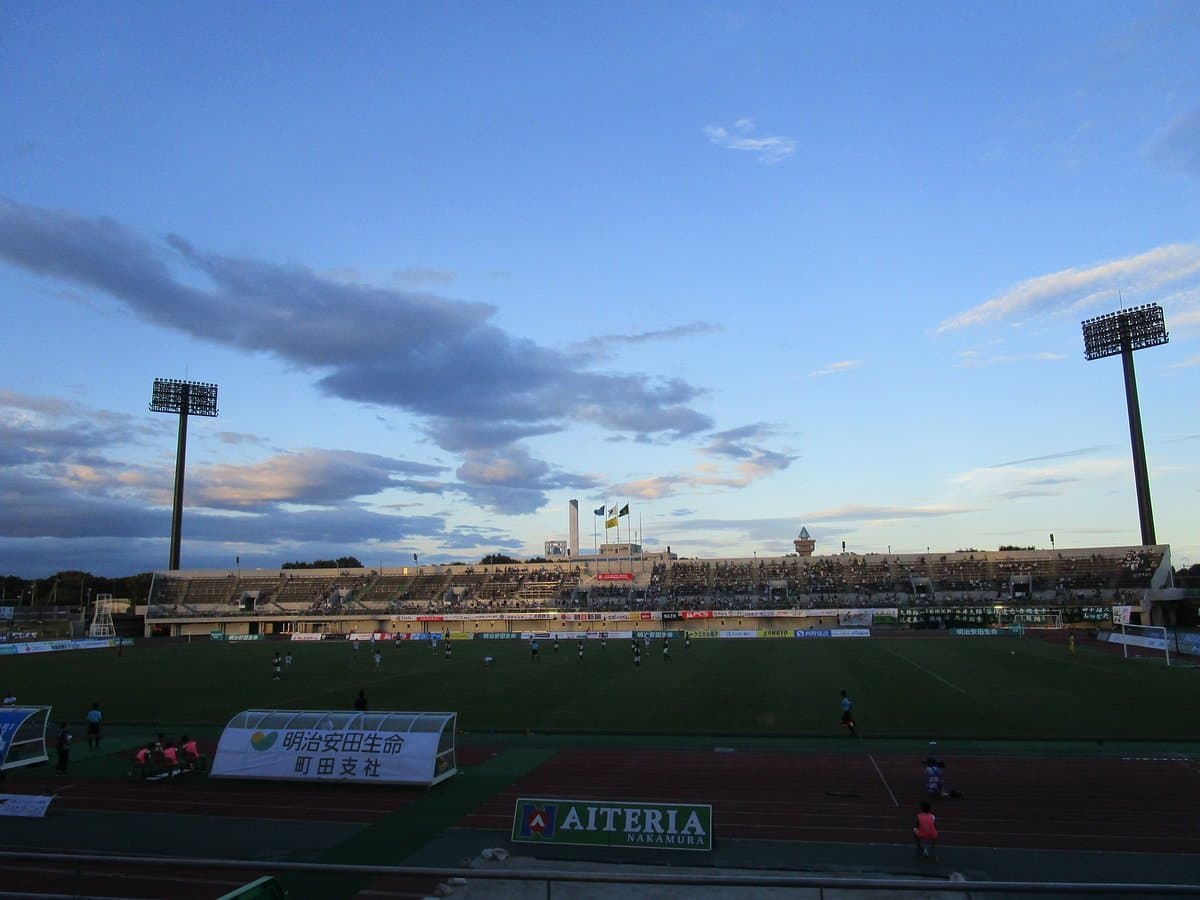
Sagamihara Gion Stadium is a local sports venue primarily known for hosting rugby and football matches. Visitors describe it as a functional stadium with good facilities for viewing games, though its appeal is limited to those attending specific events.
Attraction
Prince Morinaga's Dungeon
Prince Morinaga's Dungeon
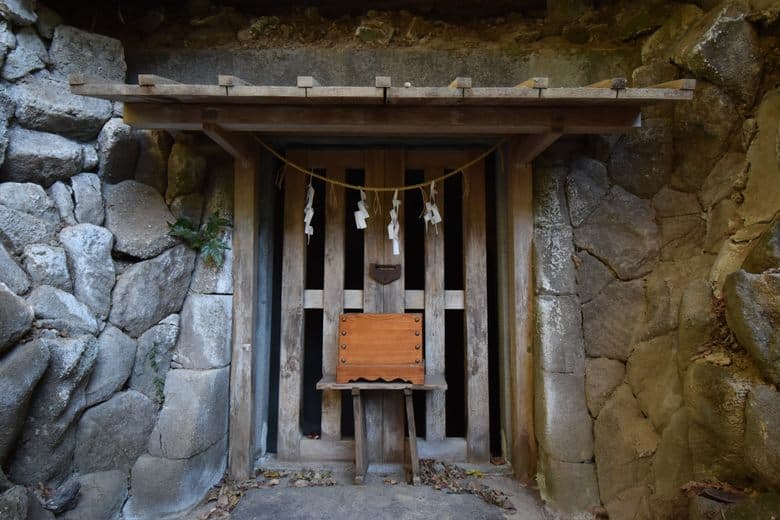
Located behind Kamakura-gū Shrine, Prince Morinaga's Dungeon is a small, reconstructed grotto marking the alleged imprisonment site of a historical figure. Visitors find it a poignant, albeit brief, historical stop, often noting its somber atmosphere and the story it represents.
Attraction
Ryuko-Myojin Shrine
Ryuko-Myojin Shrine
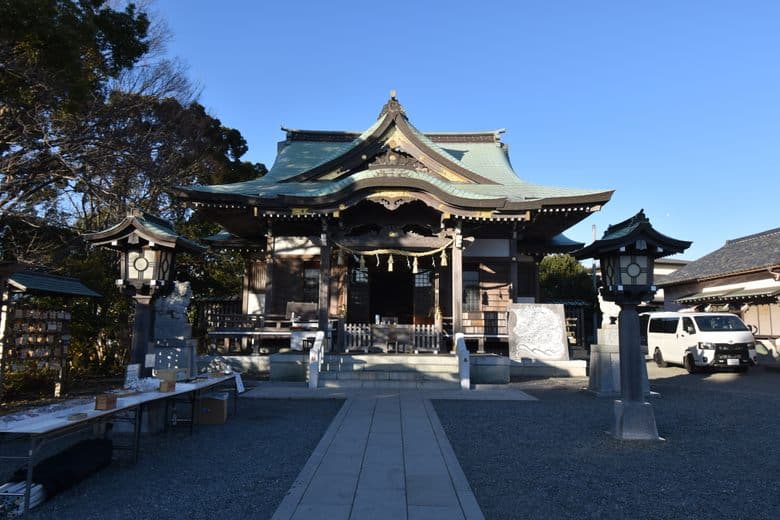
Ryuko-Myojin Shrine is a small, historically significant Shinto shrine dedicated to Gozūryū-Ōkami, the Five-Headed Dragon God. It offers a quiet, contemplative experience for visitors interested in local legends, particularly the tale of the dragon's love for the goddess Benzaiten and its transformation into a mountain.
Attraction
Sagami River Bridge Ruins
Sagami River Bridge Ruins
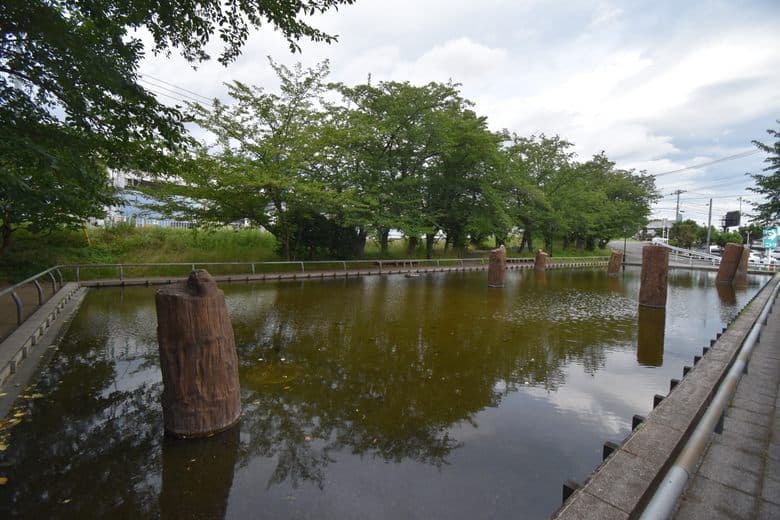
The Sagami River Bridge Ruins mark the unexpected discovery of medieval bridge pillars, unearthed by an earthquake in 1923. While the original pillars are now preserved underground, replicas stand in their place, offering a glimpse into Japan's ancient past and the dynamic nature of its landscape.
Attraction
Seimei Stone
Seimei Stone
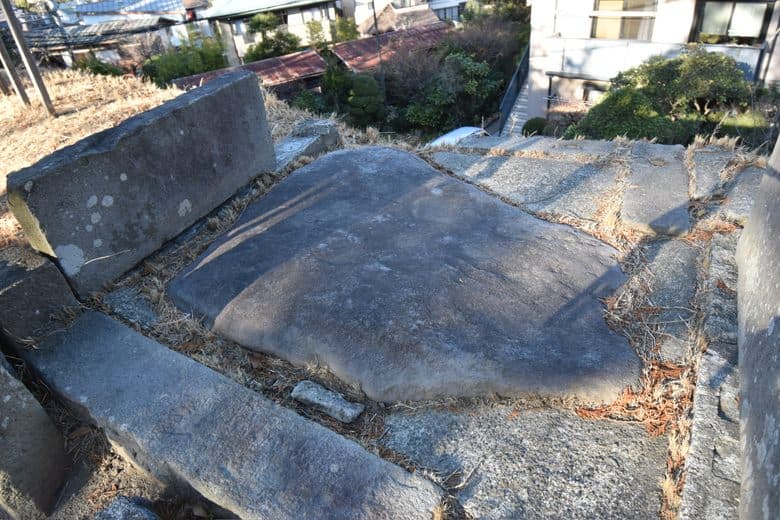
Nestled within the Yakumo Shrine in North Kamakura, the Seimei Stone is steeped in the folklore of Abe no Seimei, Japan's legendary sorcerer. While its historical connection to Seimei is debated, local legend claims stepping on it unknowingly brings good fortune for your legs, but knowing about it invites bad luck. It's a quiet spot for those intrigued by obscure Japanese myths.
Attraction
‘Shake Hands With Lima-chan’
‘Shake Hands With Lima-chan’
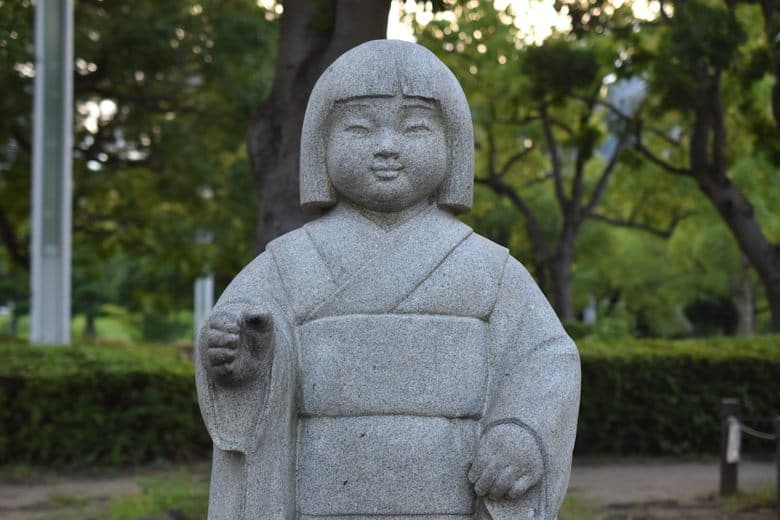
The 'Shake Hands With Lima-chan' statue in Yokohama's Rinko Park commemorates the 1899 Japanese migration to Peru. It features a girl with an outstretched hand, symbolizing friendship and looking towards the Pacific, mirroring a sister statue in Lima.
Attraction
Shōchiku Ōfuna Studio Site
Shōchiku Ōfuna Studio Site
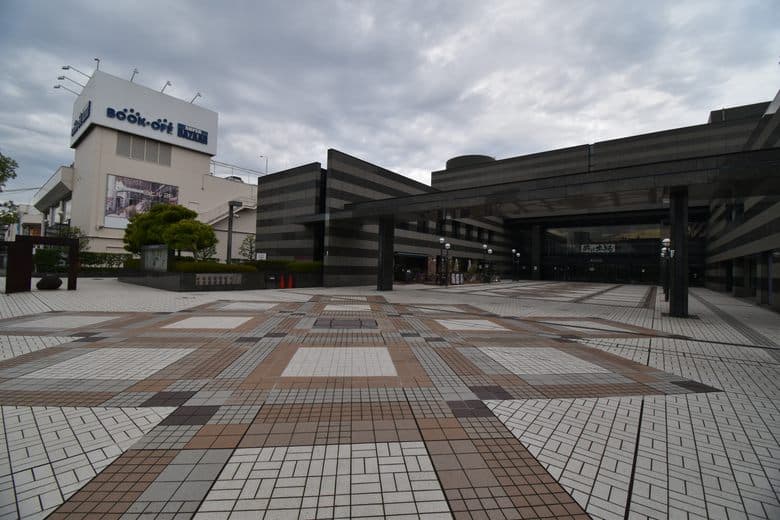
The Shōchiku Ōfuna Studio Site, now a shopping center, was once a pivotal location for Japanese cinema, producing iconic films like "Tokyo Story." While the studio itself is gone, subtle nods to its cinematic past, such as monuments and themed smoking rooms, can be found for those who know where to look.
Attraction
Six Ksitigarbhas of Yuigahama
Six Ksitigarbhas of Yuigahama
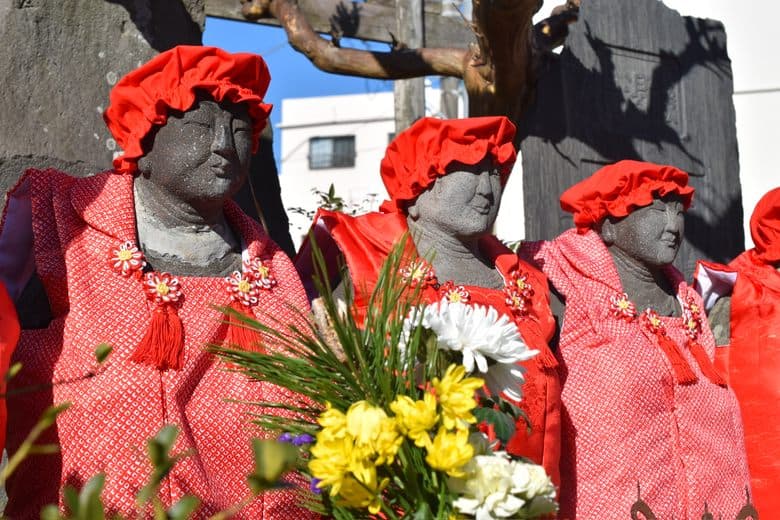
The Six Ksitigarbhas of Yuigahama are a set of six Jizō statues, each wearing a red bib, located near Yuigahama Beach. They commemorate the souls of those executed centuries ago on the beach, offering a quiet, poignant glimpse into Kamakura's darker history amidst its scenic beauty.
Attraction
Ganki Inari
Ganki Inari
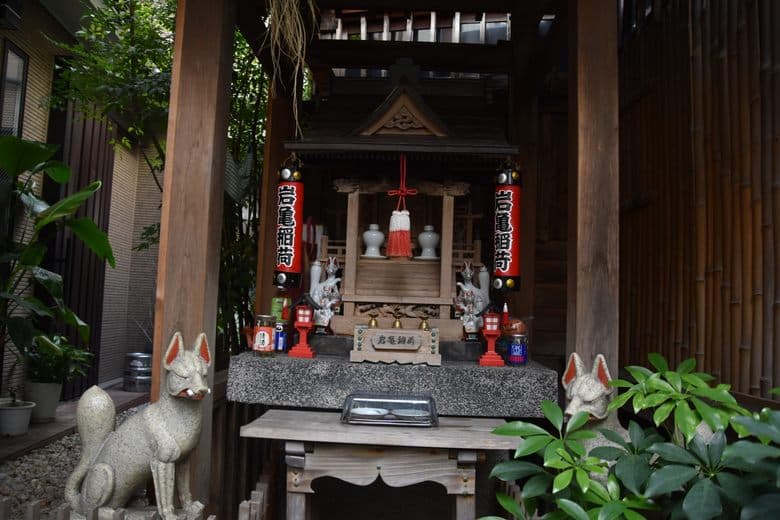
Hidden down a narrow alley, Ganki Inari is a small, well-maintained fox shrine that offers a glimpse into Yokohama's historic red-light district. Visitors appreciate its quiet, local atmosphere and the sense of discovering a secret piece of history.