Attractions — Kyoto
Attraction
Saihoji Temple
Saihoji Temple · 西芳寺 · Saihōji
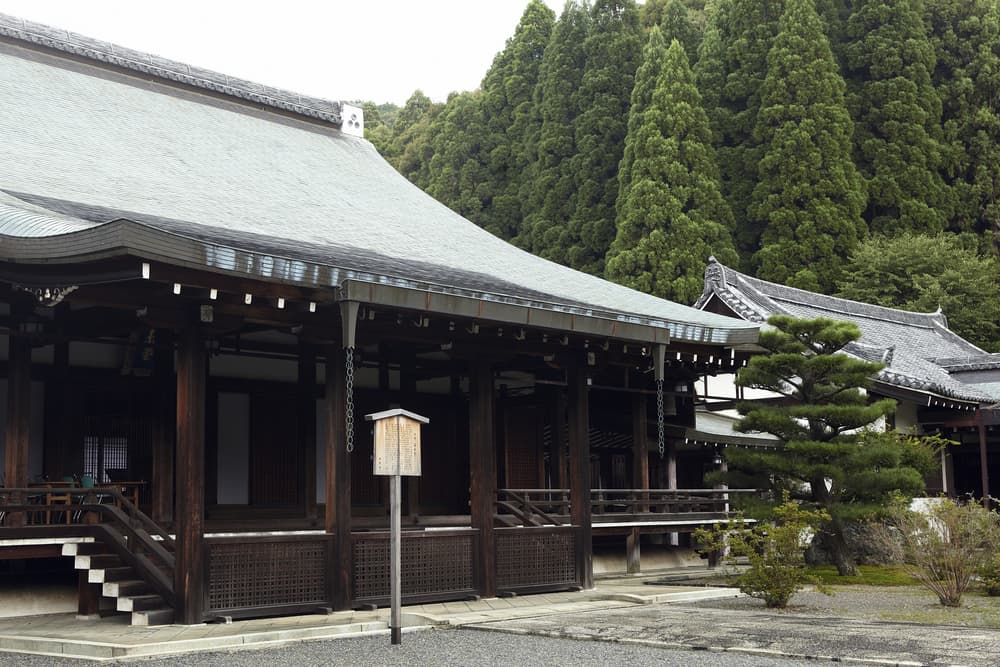
Saihoji Temple, famously known as the Moss Temple, offers a serene escape with its meticulously maintained moss garden and a unique pre-visit ritual of sutra copying. Visitors consistently praise the tranquil atmosphere and the beauty of the 120+ varieties of moss, which create an otherworldly, meditative experience. The strict reservation system, though challenging, ensures a peaceful visit away from crowds.

Attraction
Amanohashidate Viewland
Amanohashidate Viewland · 天橋立ビューランド · Amanohashidate Byūrando
Amanohashidate Viewland offers a breathtaking panoramic view of the famous Amanohashidate sandbar, often described as a 'dragon flying in the sky.' Visitors can reach the summit via a scenic chairlift or monorail, enjoying not only the iconic landscape but also a small park with family-friendly activities.
Attraction
Gion district
Gion district · 祇園 · Gion
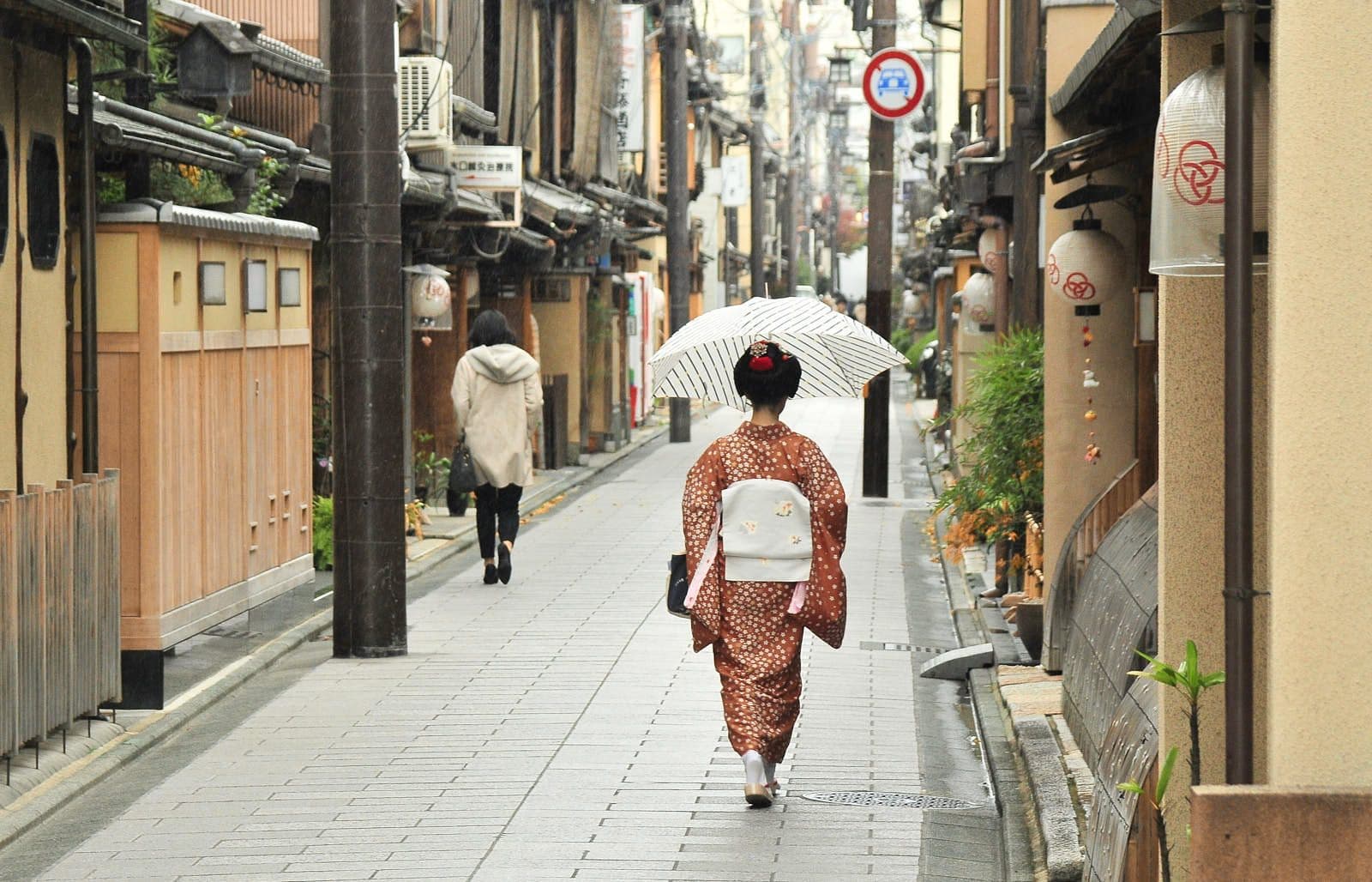
Modern development has certainly changed the city’s appearance, but some districts have remained just as they were a century or more ago. Among them are the geisha quarters of Gion and Pontocho. A geisha is an artist who entertains guests through dance and song, conducts tea ceremonies, and engages in elegant conversation. They wear kimono along with traditional makeup and hairstyles. Since April 2024, it has been impossible to visit Gion, as local authorities have banned entry to the district due to the overwhelming number of tourists disrupting residents’ daily lives. Gion is the most famous of the five hanamachi (neighborhoods where geisha live): Kamishichiken, Bontocho, Miyagawacho, Gion Kobu, and Gion Higashi. The area is filled with old ochaya (teahouses — the most famous being Ichiriki Ochaya, with traditional architecture and a 300-year history); ryotei (traditional restaurants hosting evening performances); modern restaurants offering world cuisines; and machiya (traditional townhouses).
Attraction
Sanzen-in
Sanzen-in · 三千院 · San Sen In
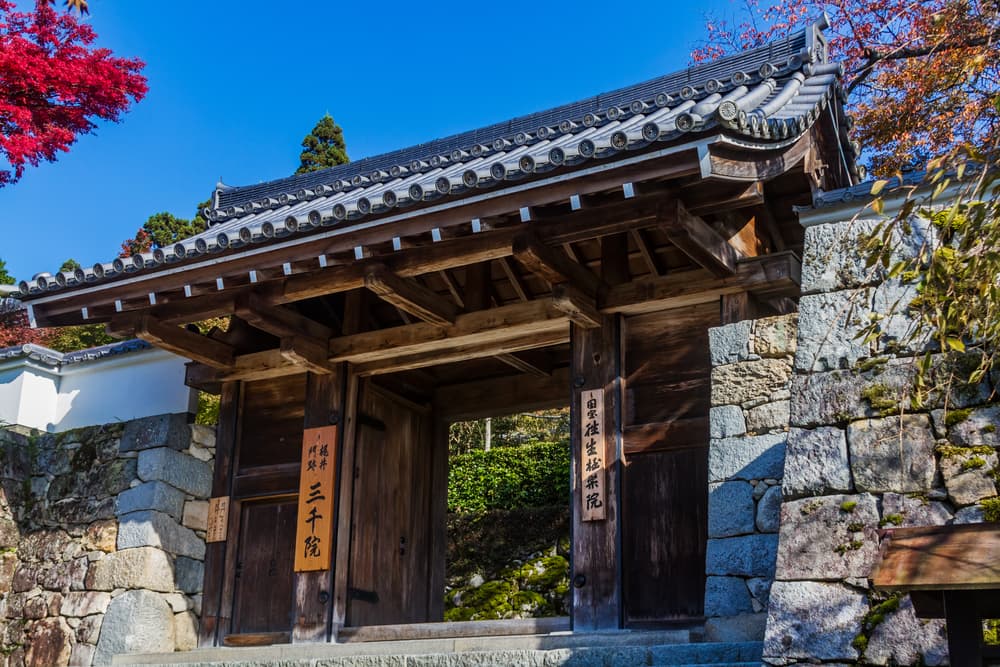
Nestled in the tranquil Ohara countryside, Sanzen-in Temple offers a captivating escape with its ancient halls, exquisite moss gardens, and charming Jizo statues. Visitors consistently praise its serene atmosphere and stunning seasonal beauty, making it a perfect retreat for those seeking peace away from Kyoto's bustling center.

Attraction
GEAR /Non-Verbal theatre
GEAR /Non-Verbal theatre · ギア専用劇場 · Gia Sen'yō Gekijō
GEAR Theatre offers a captivating non-verbal performance combining mime, magic, juggling, and breakdancing with impressive lighting and sound effects. Visitors consistently praise its high energy, humor, and the exceptional talent of the performers, making it a delightful experience for all ages.

Attraction
Aritsugu
Aritsugu
Aritsugu is a historic Kyoto knife shop, renowned for its handcrafted, high-quality Japanese knives. Visitors consistently praise the sharpness, balance, and craftsmanship of the knives, often noting the personalized engraving service. It's a popular spot for both professional chefs and home cooks seeking a durable, authentic souvenir.
Attraction
Nishiki Tenmangū Shrine
Nishiki Tenmangū Shrine
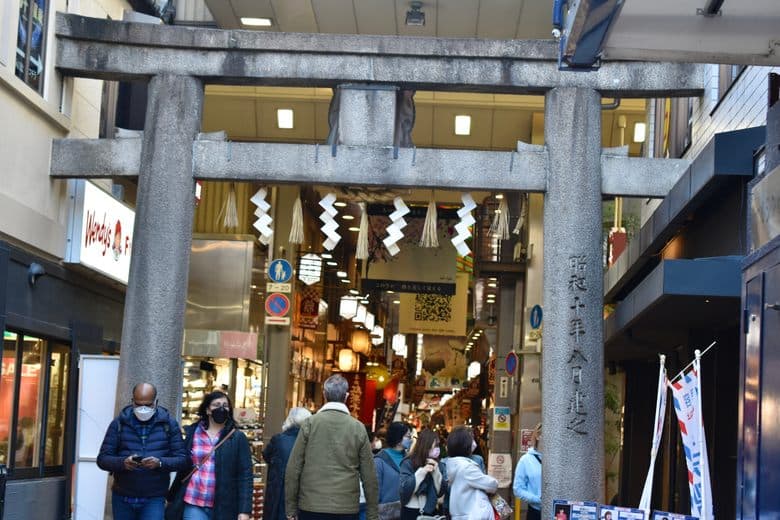
Nestled at the end of the bustling Nishiki Market, Nishiki Tenmangū Shrine is a vibrant and quirky spiritual site. Visitors are often charmed by its unique blend of tradition and modernity, featuring a 1000-year-old history alongside fortune-telling robot lions and an architectural oddity with its torii gate embedded in surrounding buildings.
Attraction
Gokōshiyui Amidabutsu
Gokōshiyui Amidabutsu
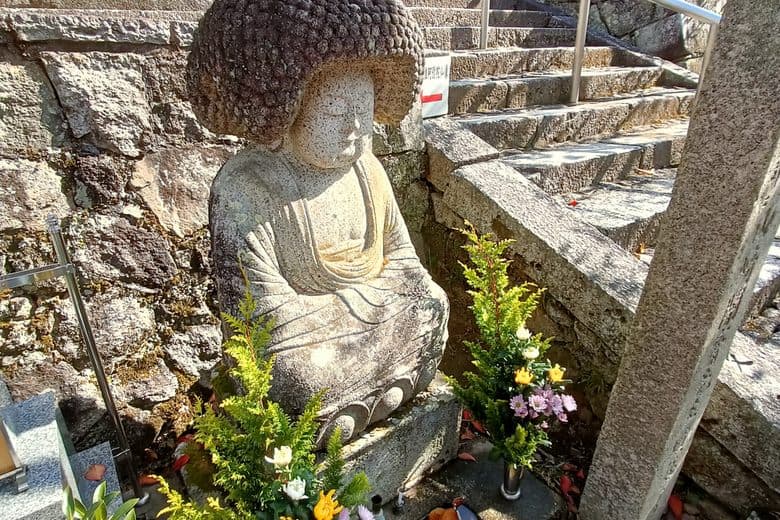
The Gokōshiyui Amidabutsu, affectionately known as the 'Afro Buddha,' is a striking statue at Kurodani Temple in Kyoto, notable for its distinctive, voluminous hair. This unique hairstyle symbolizes an unfathomably long period of meditation by Amida Buddha, making it a fascinating representation of Buddhist devotion.
Attraction
Iwashimizu Hachimangu
Iwashimizu Hachimangu
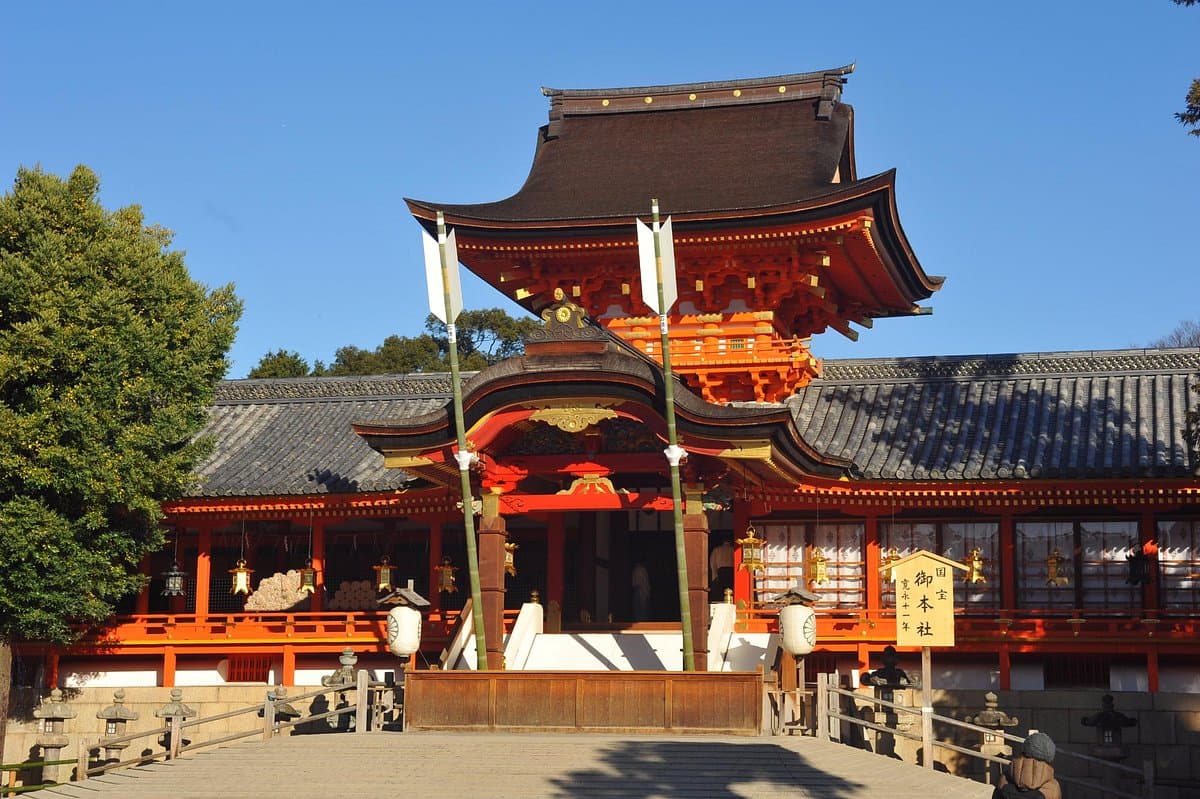
Perched atop Mount Otoko, Iwashimizu Hachimangu is a historically rich shrine, designated as a National Treasure, offering stunning architecture and panoramic views of Kyoto. Visitors consistently praise its serene atmosphere and the opportunity for a less crowded, authentic cultural experience, often reached via a scenic cable car ride.
Attraction
Kyoto Aquarium
Kyoto Aquarium · 京都水族館 · Kyōto Suizokukan
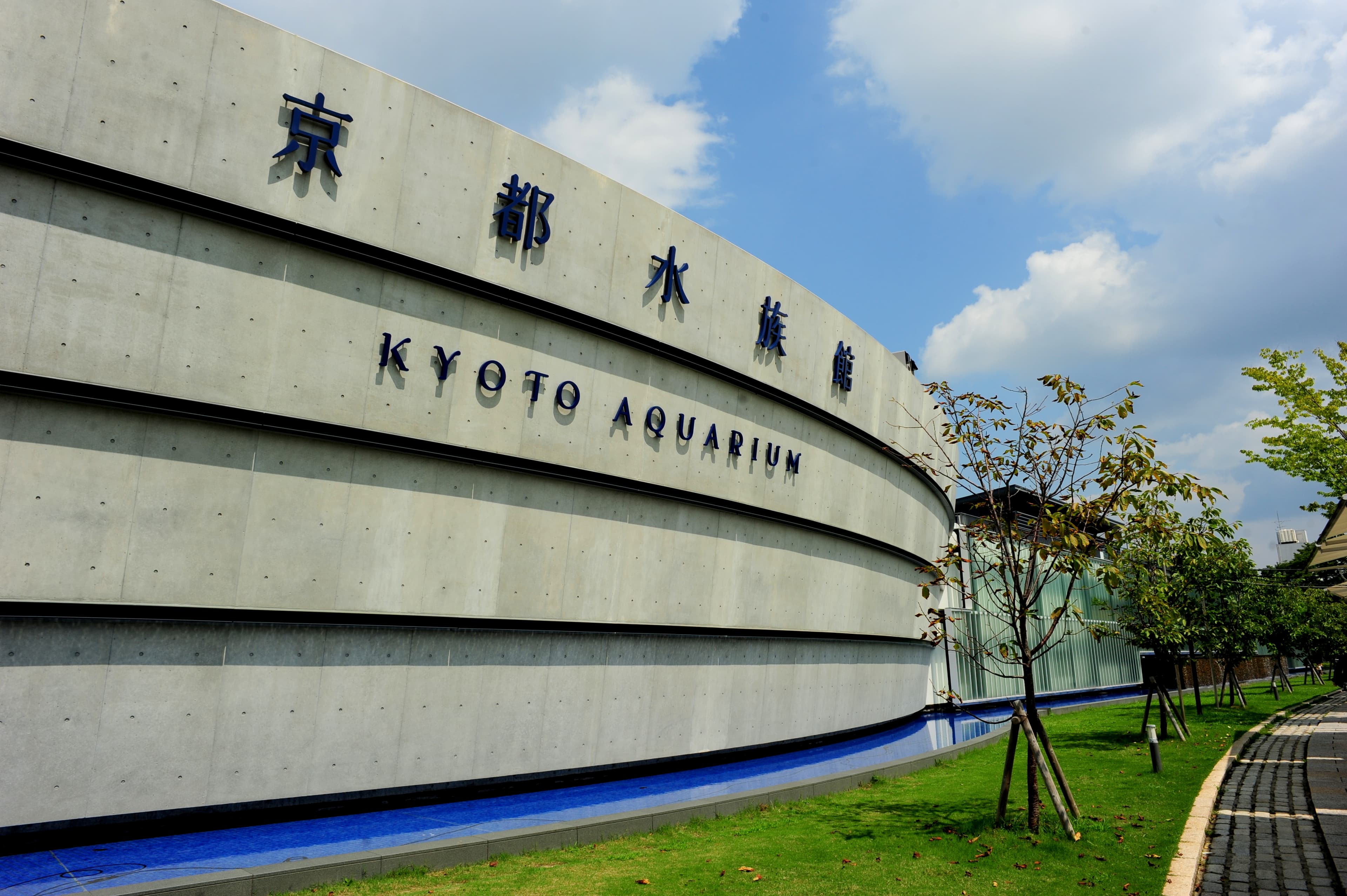
The Kyoto Aquarium offers a compact yet engaging experience, particularly noted for its dolphin and penguin shows, and unique giant salamander exhibits. Visitors praise its family-friendly atmosphere and convenient location near other attractions, making it a good option for a 2-3 hour visit.

Attraction
L’Escamoteur
L’Escamoteur
L'Escamoteur offers a captivating and theatrical cocktail experience, blending steampunk aesthetics with magical mixology. Visitors can expect inventive drinks, dramatic presentations involving fire and smoke, and an intimate, curiosity-filled atmosphere, making it a memorable stop for an evening out in Kyoto.

Attraction
mipig cafe Kyoto
mipig cafe Kyoto
Mipig Cafe Kyoto provides a delightful and unique opportunity to interact with adorable micro pigs in a clean and friendly environment. Visitors consistently praise the pigs' cuteness and affectionate nature, often falling asleep on laps, making for a relaxing and memorable experience for all ages.
Attraction
Oi River
Oi River
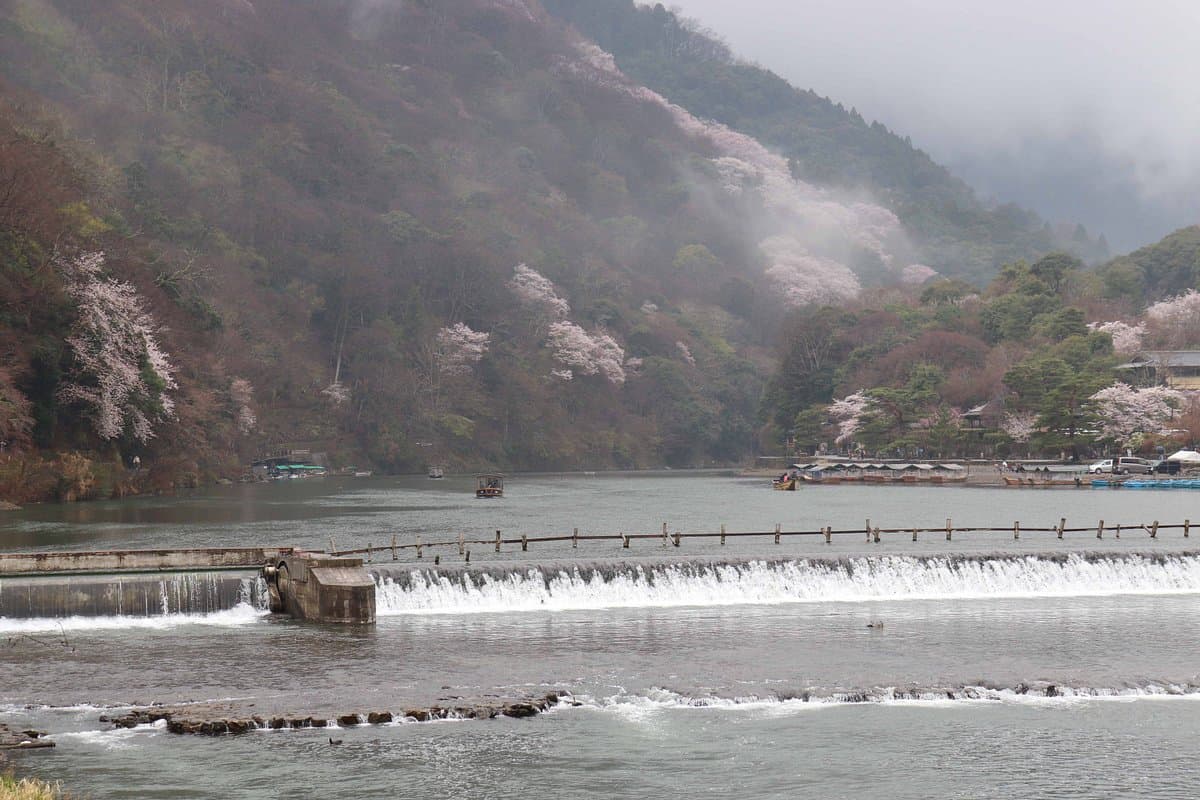
The Oi River, known as the Katsura River downstream, offers tranquil boat rides and picturesque views, especially upstream from Togetsu Bridge in Arashiyama. Visitors enjoy the serene atmosphere, the unique experience of manually poled boats, and the stunning natural scenery that changes beautifully with the seasons.
Attraction
Murin-an
Murin-an · 無鄰菴 · Mu 鄰 菴
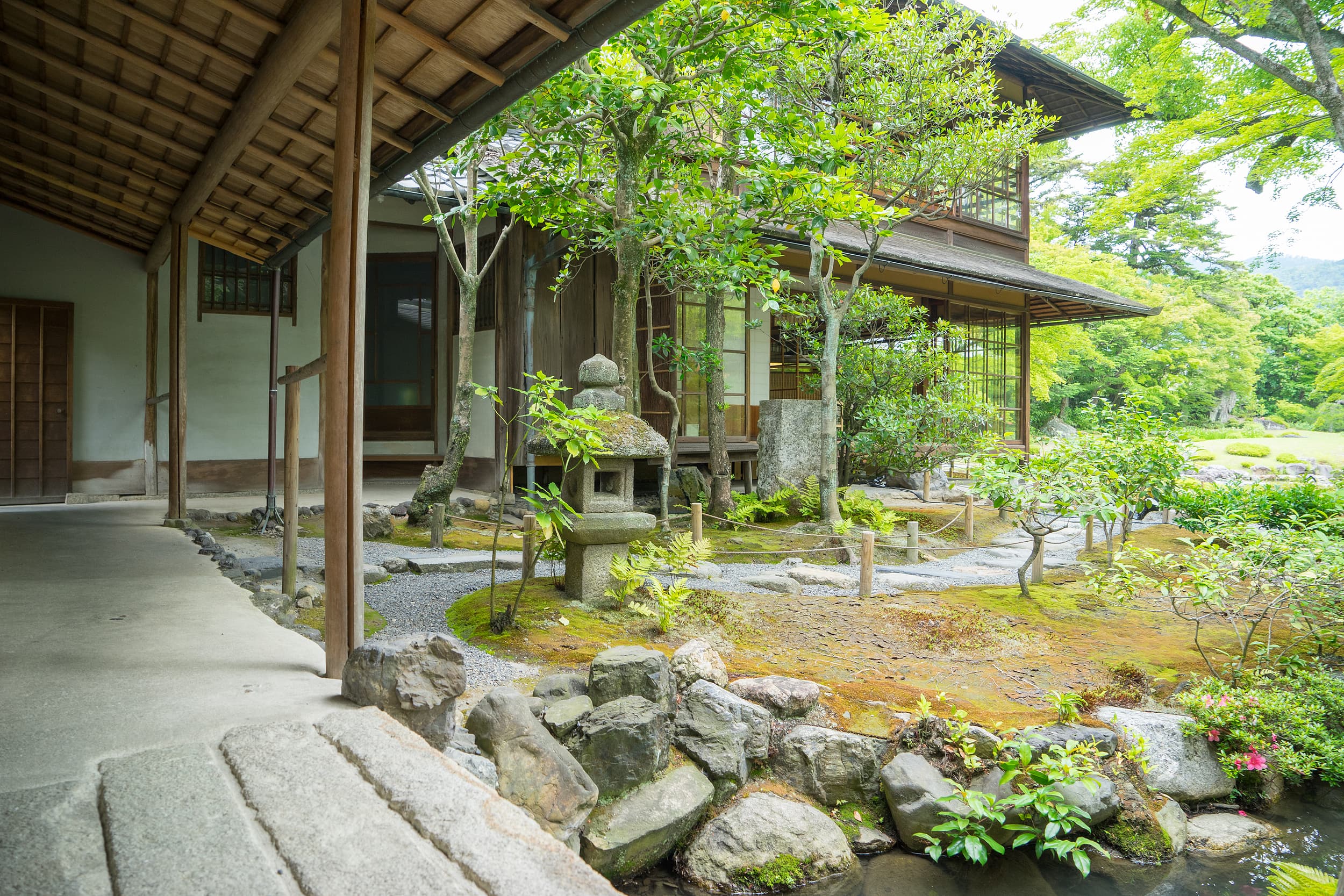
Murin-an offers a serene escape in Kyoto, showcasing a unique blend of traditional Japanese and Western garden design. Visitors praise its tranquil atmosphere, beautiful seasonal foliage, and the refreshing sound of its flowing stream. It's an ideal spot for quiet contemplation and appreciating innovative landscaping.
Attraction
Ninen-zaka
Ninen-zaka · 二寧坂 (二年坂) · Ni Yasushi Zaka ( Ni Nen Zaka )
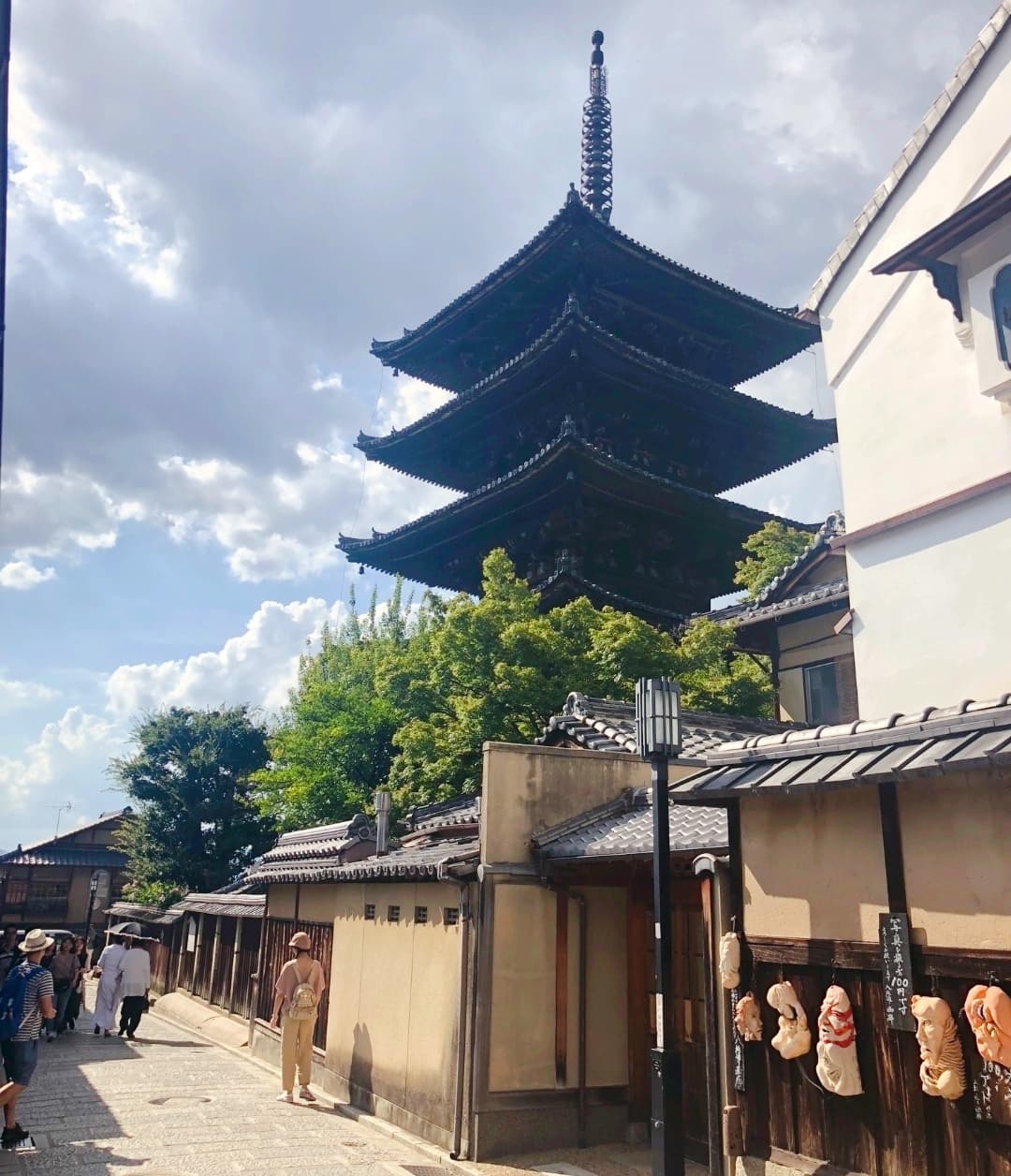
Ninen-zaka is a picturesque, stone-paved street in Kyoto, renowned for its traditional machiya houses and charming shops. Visitors consistently praise its historic ambiance and scenic beauty, though it can become very crowded, especially later in the day.
Attraction
Kodaiji Temple
Kodaiji Temple · 八坂庚申堂 · Yasaka Kōshin Dō
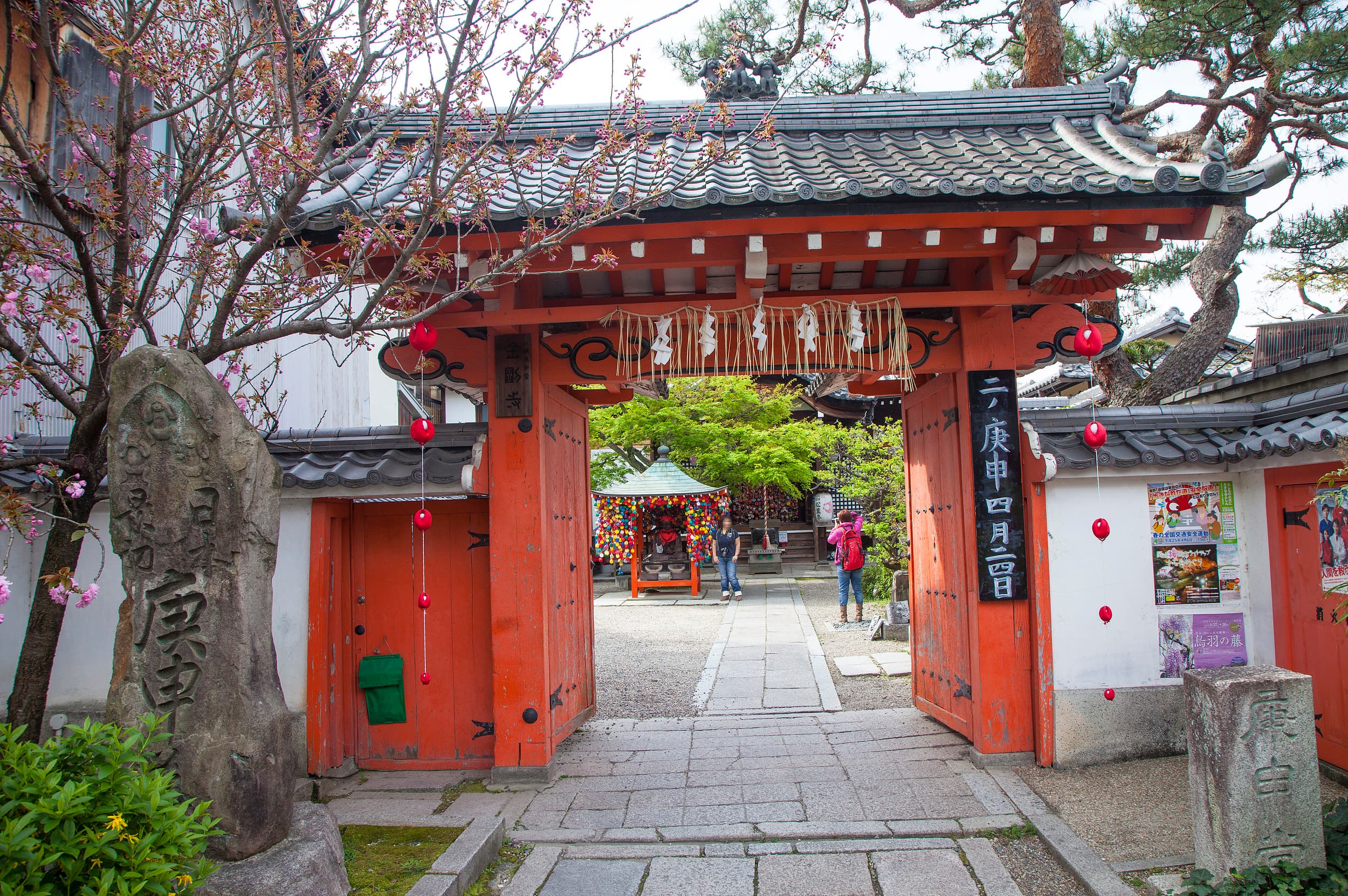
Yasaka Kōshin-dō Temple is a vibrant and distinctive site in Kyoto, famous for its colorful 'kukurizaru' monkey amulets. Visitors are drawn to its unique aesthetic, making it a popular spot for photos and a brief, engaging cultural experience. It offers a glimpse into a less common aspect of Japanese spiritual practice.

Attraction
Philosopher's Path
Philosopher's Path · 哲学の道 · Tetsugaku no Michi
Philosopher's Walk is a peaceful 2-2.5 km canal-side path in northeastern Kyoto, famous for cherry blossoms in spring and autumn foliage. The tree-lined walkway connects temples and passes small shops, cafes, and residential neighborhoods, offering a quieter alternative to crowded tourist sites. Its appeal varies dramatically by season: stunning during sakura bloom but relatively unremarkable in winter or summer.
Attraction
Mount Hiei
Mount Hiei · 比叡山 · Hieizan
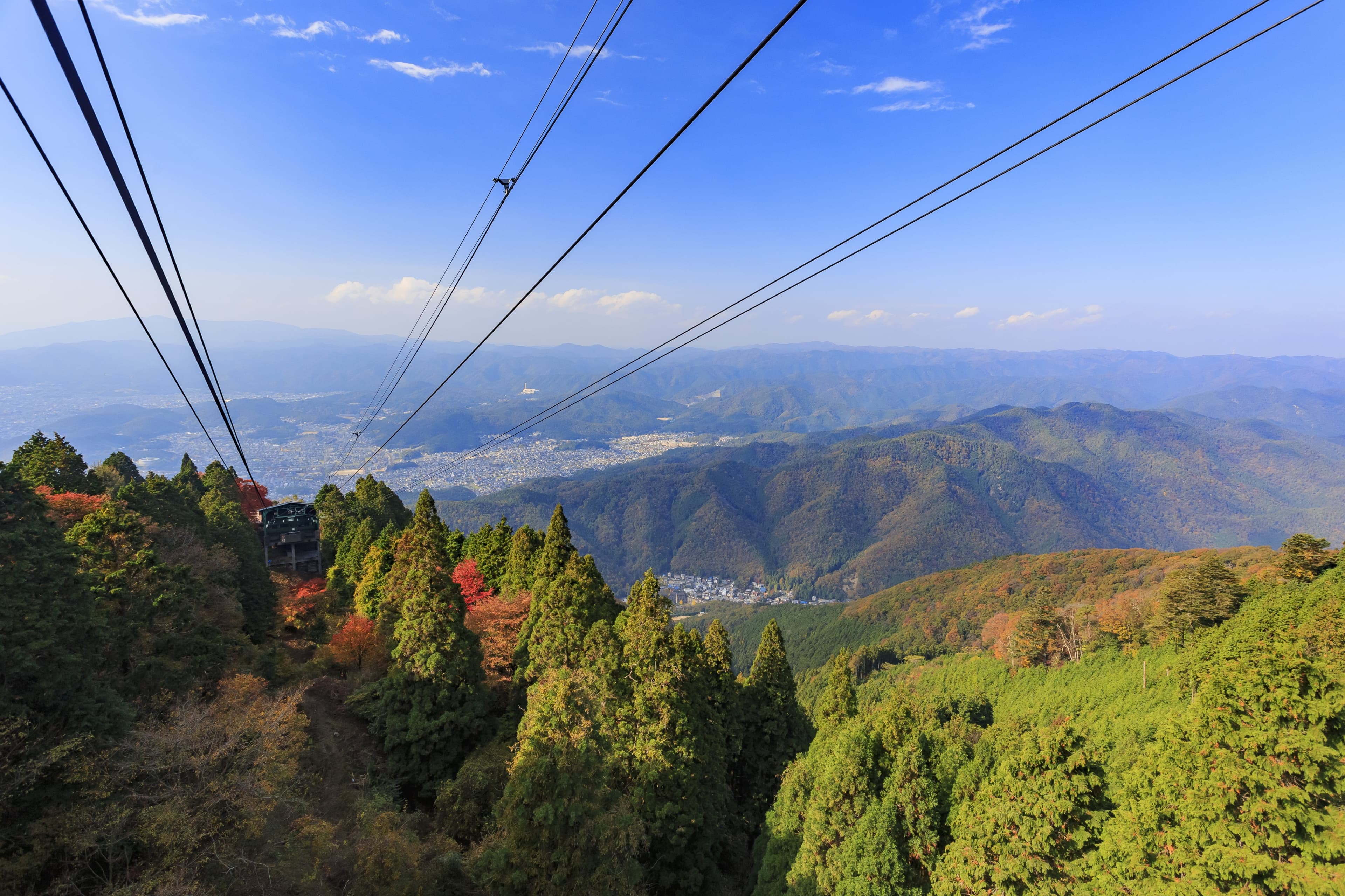
Mount Hiei, home to the UNESCO World Heritage site Enryaku-ji Temple, offers a serene escape from Kyoto's bustling center. Visitors praise its stunning panoramic views of Lake Biwa and Kyoto, the historical depth of its Buddhist temples, and the refreshing natural environment, particularly beautiful during autumn foliage.
Attraction
Yasaka Shrine
Yasaka Shrine · 安井金比羅宮 · Yasui Kompira Miya
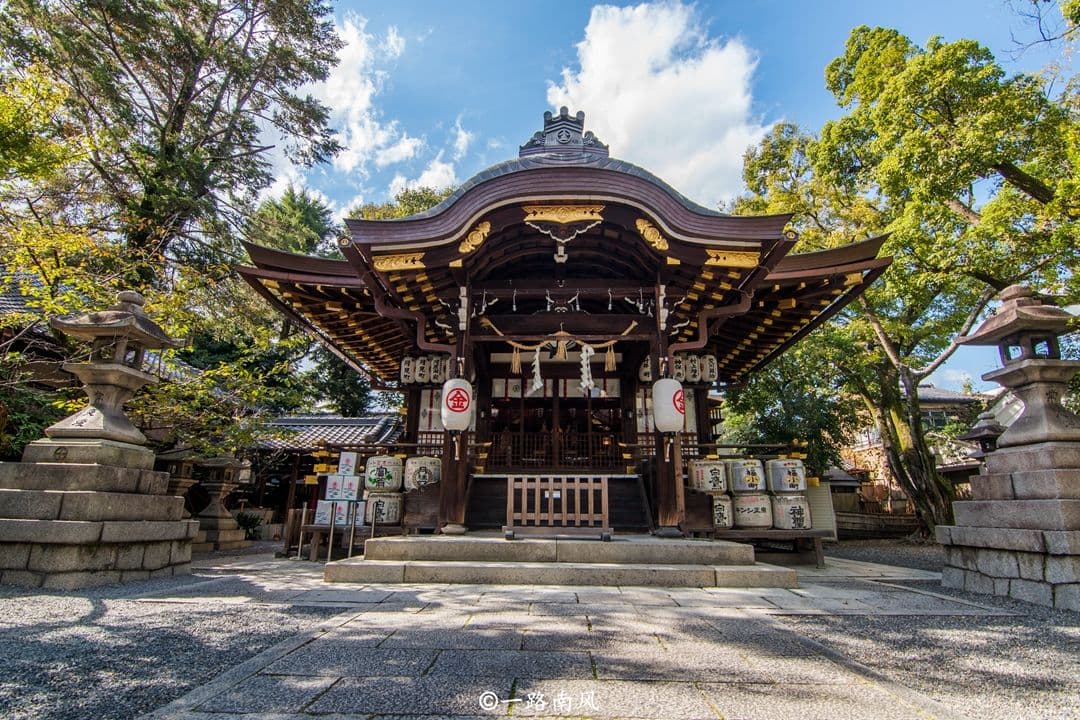
Yasui Kompiragū Shrine is famous for its unique 'Enkiri-Enmusubi' stone, where visitors crawl through a small hole to sever bad relationships or strengthen good ones. Covered in countless wish-filled papers, this shrine offers a memorable and often amusing cultural experience, particularly popular with those seeking a fresh start or stronger bonds.
Attraction
Shimogamo Shrine
Shimogamo Shrine · 下鴨神社 · Shimogamojinja
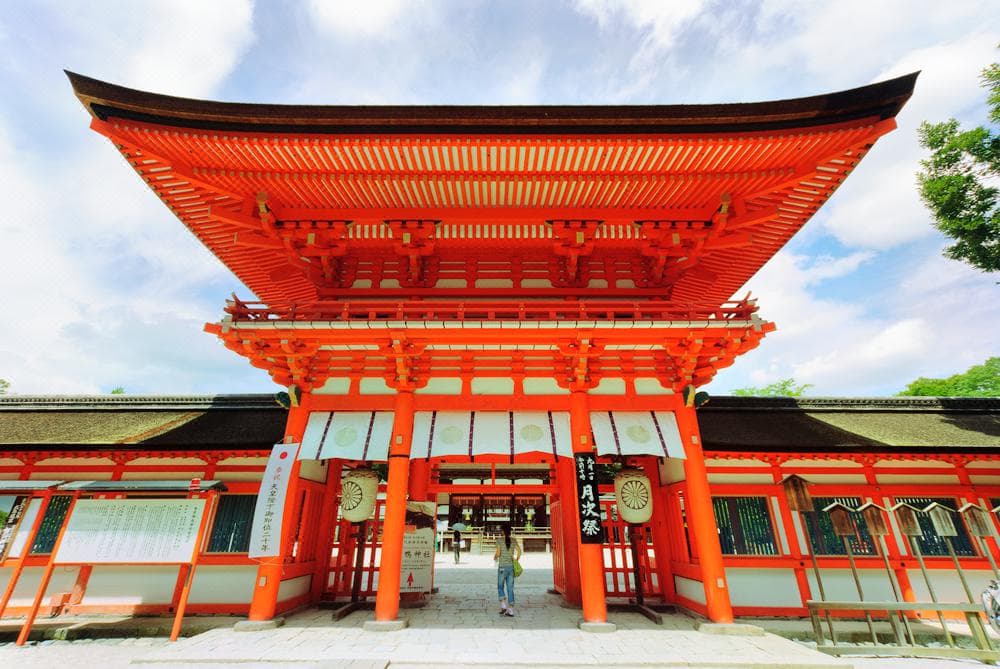
Shimogamo Shrine, a UNESCO World Heritage site, offers a peaceful retreat with its ancient forest, Tadasu no Mori, and traditional architecture. Visitors appreciate its serene atmosphere, often less crowded than other Kyoto attractions, making it ideal for a contemplative stroll and experiencing authentic Japanese spiritual traditions.